What Wine to Bring as a Guest
The bottle you bring is a small message. Here's how to pick one that lands — and how to spend the right amount.
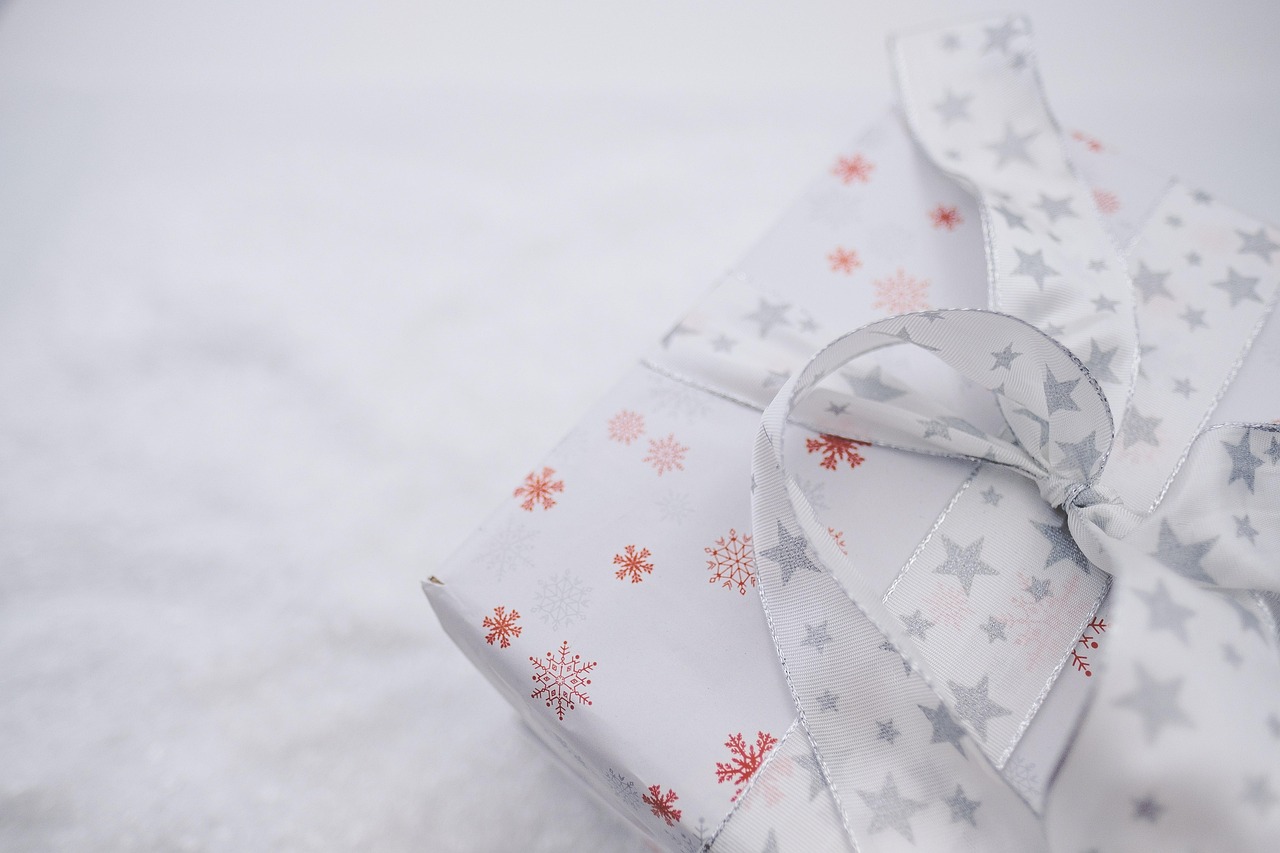
- Bring a bottle the host can keep for later — not one they have to open the moment you arrive.
- A safe budget: CHF 25–40 for a casual dinner, CHF 40–80 for a close friend, CHF 80+ when there's something to celebrate.
- Champagne, a good Burgundy, or a bottle from your home region are the three almost-always-right choices.
- Wrap it, include a short note, and tell the host what it is so they're not guessing.
Bringing wine to dinner is the most common gift in Switzerland and one of the easiest to get slightly wrong. The bottle is fine; the message attached to it isn't always. The trick is to choose a wine that fits the occasion, says something kind about the host, and doesn't put them on the spot — and to spend roughly the right amount, neither stingy nor showy.
The first decision: a gift, or a wine for tonight?
These are not the same thing. A bottle the host is expected to open immediately needs to match the food they've planned — which you almost certainly don't know in detail. A bottle as a gift is theirs to keep, open later, give away, or cellar. Default to the gift framing. Hand the bottle over and say something like, "This is for you, not for tonight — keep it for the right evening." It removes the awkward moment of the host wondering whether they should open your bottle next to their carefully chosen one.
The three near-universal choices
Champagne. Sparkling wine is a gift even when nothing is being celebrated. It signals attention. A bottle from a small grower — Pierre Péters, Egly-Ouriet, H. Blin — feels considered without being ostentatious. Big-house Champagne (Moët, Veuve) is fine but reads slightly impersonal. Budget CHF 35 to CHF 80 for a grower Champagne that delivers.
A good Burgundy, red or white. A village-level red Burgundy or a Chablis says you spent thought rather than just money. Hosts who care about wine will be quietly pleased; hosts who don't will still see a name they recognise. CHF 35 to CHF 70 covers a serious village wine.
A bottle from your home region. If you grew up in the Valais, bring a Petite Arvine or a Cornalin. If you have a favourite small producer in Italy or Spain, bring that. A wine with a story — "this is from a winemaker I met two summers ago" — beats almost any expensive bottle. It turns the gift into a small piece of you.
How much to spend
Match the occasion, not the host's wealth.
CHF 25 to 40 — a casual weeknight dinner with friends. A good Côtes du Rhône, a Beaujolais from a serious grower, a single-village Chianti, a Fendant from a top Valais producer.
CHF 40 to 80 — a closer friend, a meaningful invitation, the host has cooked something ambitious. A grower Champagne, a village-level Burgundy, a Barbaresco, a Brunello on the affordable end.
CHF 80 and up — a celebration, a milestone, or a host you know loves wine. A premier cru Burgundy, an aged Bordeaux, a vintage Champagne. Above this, the gift starts to demand a thank-you note from the host, which slightly defeats the purpose of a gift.
Under CHF 25 is almost never the right answer for an invitation to someone's home. It's not about the money — it's that a CHF 12 bottle bought at the petrol station signals that you forgot until the last ten minutes. Better to bring flowers or a good box of chocolates.
The presentation matters more than people admit
A naked bottle in a plastic shopping bag halves the gift before it leaves your hand. The bottle doesn't need to be wrapped like a present — a paper wine bag (most shops have them, free or for two francs) is enough. Better: a fabric gift sleeve, a ribbon, or a small handwritten card with a single line about why you picked it. "Saw this and thought of you" goes further than any vintage.
Use what you know about the host
A preference mentioned in passing is a better guide than a list of prestigious regions. If the host once said they like crisp whites, visited the Douro, or avoid alcohol, act on that clue. When you genuinely know nothing, ask casually before the dinner or choose a versatile bottle with a short story you can share.
What to avoid
The host's own region. Bringing a Valais red to a Valais family is at best safe and at worst presumptuous. Bring something from elsewhere.
Anything too unusual for someone you don't know well. Orange wine, pet-nat, sherry, an obscure grape from Greece — wonderful gifts for people who already enjoy them, mildly perplexing for anyone else.
A few words for the handover
Tell the host what it is. Not in a lecture — one sentence. "It's a Chablis, no oak, will be lovely if you have fish this week." This spares them the moment of reading the label in front of you and pretending recognition. If it's an old or unusual bottle, mention it explicitly: "This wants a couple of hours of air whenever you open it." Then let it go. The bottle is theirs now.
If you'd like to choose a wine for your host, start with the occasion, what you know about their taste, and your budget. The shortlist only includes bottles available from sommelia.
Invited somewhere this week? Tell our sommelier the occasion, the host, and your budget — she'll pick the right bottle.
Questions we get asked
The host already has a great cellar. What do I bring?
Bring something they can't easily buy themselves: a small-grower Champagne, a wine from a region they don't normally drink, or a half-bottle of something serious they'd hesitate to open alone. The point is to bring a wine that's interesting, not to compete with what's already on their shelf.
The host doesn't really drink wine. Should I still bring a bottle?
Bring a non-alcoholic alternative instead. A serious de-alcoholised sparkling (Französ, Noughty, French Bloom), a craft kombucha, a good cold-pressed grape juice, or a bottle of artisanal vermouth or shrub for spritzes. These read as the same gesture as wine — something to open at the table — without putting the host in the position of pouring themselves something they don't actually want. It also signals you paid attention to who they are, which is the whole point of a gift.
Is it OK to bring something I'd really like to drink with the meal?
Only if you've cleared it with the host in advance — "shall I bring a bottle of red for the lamb?". Otherwise it puts the host in the awkward position of either reorganising their evening around your bottle or quietly setting it aside. Default to the gift framing.
Two bottles or one?
One good bottle beats two ordinary ones every time. The exception is when you've been invited for a long meal with several courses and the host has hinted that everyone's contributing — in which case bring a white and a red, both modest, both chosen with care.
How do I find out what wine the host likes?
Ask casually before the dinner, or use something they have mentioned before — a grape they enjoy, a region they visited, or a style they avoid. With no clues, choose a versatile bottle and frame it clearly as a gift for later.