Champagne: What Makes It Different
Champagne is one region, one method, three grapes, and thousands of styles. Here's how to read the bottle — and buy with confidence rather than by label recognition.
- Three grapes build Champagne: Pinot Noir (body, red-fruit), Chardonnay (elegance, citrus), Pinot Meunier (freshness, early-drinking). Blanc de Blancs is 100% Chardonnay; Blanc de Noirs is made entirely from black grapes.
- Non-vintage (NV) is blended across years for consistency and designed to be drunk now. Vintage Champagne comes from a single declared year and rewards 5–15 years of patience.
- Brut nature and extra brut are bone-dry. Brut (the most common style) is very dry with just a whisper of sweetness. Demi-sec is noticeably sweet — a dessert wine in disguise.
- Grower Champagne (look for 'RM' on the label — Récoltant-Manipulant) means the estate grew all its own grapes. More individual character, often better value than the grandes maisons.
Most people choose Champagne by brand recognition — Moët, Veuve Clicquot, Laurent-Perrier. That's a reasonable starting point, but it leaves most of what makes Champagne interesting completely unexplored. Understanding how the wine is made, what the label tells you, and how grower Champagne fits into the picture opens up a much wider and often better-value world than the grandes maisons alone.
The region
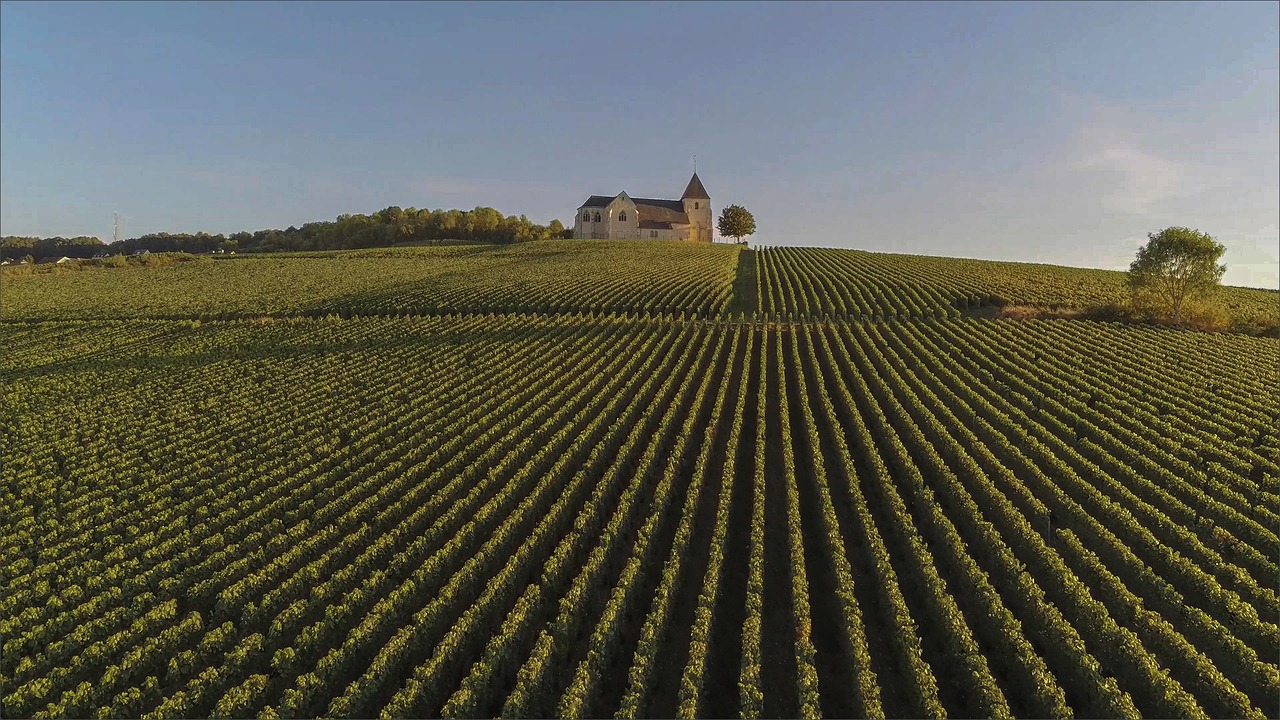
Champagne sits in northeast France, about 150km east of Paris — one of the coldest, most northerly wine regions in the world. That cold climate, combined with chalky limestone soils, gives the base wines their characteristic high acidity and relatively low natural alcohol. Both are essential: the acidity is what makes sparkling wine refreshing rather than cloying, and the low base alcohol leaves room for the alcohol produced during the second fermentation in the bottle.
The three grapes
Pinot Noir gives Champagne its body, its red-fruit character (strawberry, cherry), and its structure. The Montagne de Reims is the classic Pinot Noir heartland.
Chardonnay brings elegance, citrus, freshness, and the capacity to age gracefully. The Côte des Blancs south of Épernay is almost entirely Chardonnay.
Pinot Meunier is the third grape — underrated, rarely discussed, but planted across 30% of the region. It matures earlier than the others and contributes freshness and approachability in youth.
The balance between the three changes by house, by style, and by vintage. A Blanc de Blancs (100% Chardonnay) is the most precise and mineral style, often the most age-worthy. A Blanc de Noirs (100% Pinot Noir and/or Meunier) is richer and more textured.
How the bubbles get in
Champagne gets its bubbles through a second fermentation inside the sealed bottle — the méthode champenoise. The base wine (still, and often quite austere on its own) is bottled with a small addition of sugar and yeast. The yeast ferments the sugar, producing alcohol and CO₂. Because the bottle is sealed, the CO₂ dissolves into the wine. The dead yeast cells (lees) are then gradually worked into the bottle neck, frozen, and disgorged — the neck is uncorked and the pressure ejects the lees as a small plug of ice. The dosage (a small amount of wine and sugar) is added to top up the bottle before the final cork goes in.
The time the wine spends on its lees before disgorgement is part of what gives Champagne its signature bready, biscuity, toasty character. Non-vintage Champagne must spend a minimum of 15 months on lees; vintage Champagne must spend at least 36 months.
Non-vintage, vintage, prestige cuvée
Non-vintage (NV) is the backbone of every grande maison — a consistent house style blended from multiple years. The head winemaker's job is to make the NV taste the same every release, regardless of the individual vintages in the blend. NV is ready to drink when you buy it; don't cellar it more than 3–4 years.
Vintage Champagne is produced only when the harvest is judged exceptional enough to stand alone. It's not released on a schedule — some houses skip 3–4 years between declared vintages. Drink it after 8–12 years from harvest, or buy it already aged. The great vintages of recent decades: 2008, 2012, 2015, 2018.
Prestige cuvée (Dom Pérignon, Cristal, La Grande Dame) is the top of the house range — the best fruit from the best plots, the longest ageing, the highest price. Worth the money for a special occasion; not the right entry point for someone learning what Champagne is.
Dryness levels
The dosage (sugar added at disgorgement) determines the sweetness level. In descending order: Brut Nature / Zero Dosage (0 g/l) — bone-dry, austere, not for everyone; Extra Brut (0–6 g/l) — very dry, mineral, increasingly fashionable; Brut (0–12 g/l) — the standard category, dry but with a faint perception of sweetness; Extra Dry (12–17 g/l) — confusingly named, actually perceptibly sweet; Demi-sec (32–50 g/l) — noticeably sweet, good with pastry and fruit desserts.
For most occasions — apéro, cheese, fish, celebrations — Brut is the right choice. Extra Brut or Brut Nature suits oysters or simply those who prefer no sweetness at all.
Grower Champagne
The grandes maisons (Moët, Veuve, Bollinger, Krug) buy grapes from farmers across the region and blend at scale. Grower Champagnes (marked RM — Récoltant-Manipulant — on the label) are made by the estate that grew the grapes. The result is more site-specific, more individual, sometimes rawer in youth — and typically 30–50% less expensive than a comparable grande maison wine.
Names worth knowing: H. Blin (Côte des Bar, consistent and fairly priced), Egly-Ouriet, Pierre Péters, Marie-Noëlle Ledru, Dhondt-Grellet. A grower Champagne at CHF 35–55 will often outperform a grande maison Champagne at CHF 60–80.
If you want to buy Champagne with confidence for a specific occasion — NV versus vintage, grande maison versus grower — the sommelier can guide you to the right style and bottle.
Looking for a Champagne worth opening on a weeknight? Tell our sommelier the occasion and your budget.
Questions we get asked
Is Champagne just for celebrations?
No. The idea that Champagne is a celebration wine is largely a marketing success story from the grandes maisons. A good Champagne is a serious food wine — it pairs with oysters, sushi, fried food, cheese, and charcuterie as well as almost anything else. Treat it like any other white wine you enjoy and open it for dinner on a Tuesday.
How long does an open bottle of Champagne last?
With a good Champagne stopper (not a cork — a stopper specifically designed for sparkling wine), 2–3 days in the fridge. Without a stopper, the bubbles are mostly gone by the next morning, though the wine itself is still drinkable. The old trick of leaving a silver spoon in the neck doesn't work; a proper stopper does.
What's the difference between Champagne and Prosecco?
Champagne is made by the traditional method — the bubbles develop inside each individual bottle during a second fermentation. Prosecco uses the tank method (Charmat) — the second fermentation happens in a pressurised tank and the wine is bottled under pressure. The results taste different: Champagne is more complex, yeasty, and mineral; Prosecco is fruitier and simpler. Neither is better — they're suited to different occasions.
How cold should I serve Champagne?
6–8 °C for non-vintage; 8–10 °C for a serious vintage or prestige cuvée. That's 2–3 hours in the fridge, or 20–30 minutes in an ice bucket. Too cold and the wine tastes closed and muted; too warm and it loses its freshness and the bubbles go flat faster. Never put it in the freezer.