Etna & the Wines of Sicily
Etna's volcanic wines look like Burgundy, feel like Burgundy, and cost a fraction of it. Here's why they matter — and what to drink.
- Etna Rosso is made from Nerello Mascalese — a thin-skinned, high-acid red grape with Pinot Noir-like elegance rather than the heavy, extracted style Sicily was once known for.
- Altitude is everything on Etna. At 600–1,000m, temperatures drop enough to give freshness and length that wines from Sicily's flat plains simply cannot match.
- Many Etna vineyards have never been replanted since phylloxera ravaged Europe in the late 19th century — old-vine pre-phylloxera vines still grow on lava soils, on their own roots.
- Etna Bianco from the Carricante grape is one of Italy's most underrated whites: mineral, saline, built to age, and almost unknown outside the island.
Sicily spent most of the 20th century producing vast quantities of alcoholic, heavily extracted wine for blending — anonymous bulk wine shipped north to shore up thin vintages in France and northern Italy. Then something happened on the volcano. A generation of winemakers, many of them outsiders drawn by the combination of old vines and dramatic landscape, began farming the terraced lava-stone vineyards that ring the slopes of Mount Etna. The wines they produced looked nothing like what Sicily had made before.
Why Etna is different from the rest of Sicily
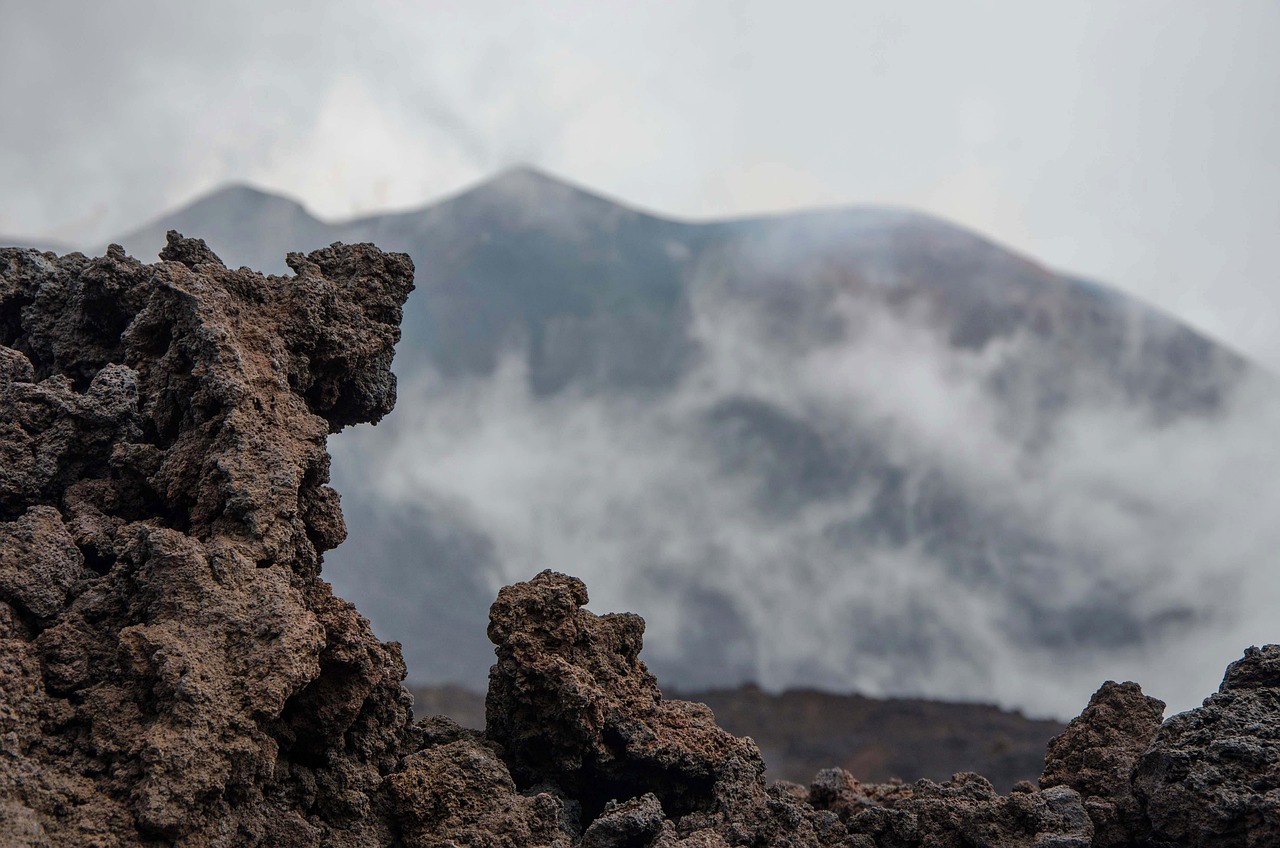
Sicily is a warm, sunny Mediterranean island. Most of its wine regions — Marsala, Alcamo, Vittoria — sit at low altitude on flat or gently rolling terrain, producing grapes that ripen early and fully under strong sun. The wines tend toward richness and warmth. Etna, which rises to 3,350m and is Europe's most active volcano, is different in every measurable way.
The key differences: altitude (600–1,000m for the best vineyards), temperature (nights on Etna can drop 20°C below daytime highs, preserving acidity), soil (mineral-rich black lava, very low in nutrients, which stresses vines into producing small, intensely flavoured bunches), and age (many Etna vines were never replanted after phylloxera, surviving on their own roots in soil the aphid finds difficult to colonise). All of this produces wines with a freshness, tension, and capacity to age that most of Sicily cannot match.
Nerello Mascalese — the red grape
Nerello Mascalese is Etna's signature red grape. Like Pinot Noir, it is thin-skinned and translucent — the wine in the glass looks pale garnet rather than the deep purple you'd expect from a southern Italian red. Like Pinot Noir, it is high in acidity, relatively low in tannin, and profoundly shaped by where it grows. And like Pinot Noir, it rewards patience: a young Nerello Mascalese can be tight and angular, while the same wine at 10–15 years old develops extraordinary finesse.
Nerello Cappuccio is a second red variety planted in smaller quantities alongside Nerello Mascalese. It adds colour and roundness to blends — the same role Gamay occasionally plays next to Pinot Noir.
The contrade
The key concept for understanding Etna reds is the contrada — the local term for a named vineyard district on the mountain's slopes. There are roughly 100 contrade, each with distinct aspects, elevations, soil compositions, and vine ages. The most prestigious sit on the north and northeast slopes: Calderara Sottana, Santo Spirito, Rampante, Barbagalli, Feudo di Mezzo. A wine labelled with a single contrada name is the equivalent of a single-vineyard Burgundy — a statement of specific place rather than a regional blend.
The south and west slopes tend toward warmer, riper, fuller wines. The north — colder, higher, more mineral — produces the most Burgundy-like results.
Etna Bianco
The white wines of Etna are made primarily from Carricante, an indigenous variety that grows almost nowhere else. At its best — from the Milo district on the eastern slope — Carricante produces whites of extraordinary mineral intensity, with a saline, almost stony quality, moderate alcohol, and a capacity to age for 10–20 years that is rare among Italian whites. They are not Chablis, not Burgundy, not anything familiar — they are entirely their own thing.
Catarratto, a more widely planted Sicilian variety, is often blended with Carricante in entry-level Etna Bianco. A wine labelled simply 'Etna Bianco' will typically include both; a contrada-labelled white is more likely to be Carricante-dominant.
Producers and how to approach the wines
The estates that put Etna on the international map include Benanti (the pioneering family estate that began serious Etna work in the 1990s), Cornelissen (natural, amphora-fermented, highly individual), Passopisaro, and Terre Nere. A newer generation — Sicilia (Pietradolce, Vino di Anna, Girolamo Russo) — has added depth to the category.
For serving: Etna Rosso drinks best at 14–16 °C, not the 18–20 °C you might serve a Barolo. The freshness and acidity need to be felt, not buried in warmth. A 20-minute chill in the fridge before dinner is not excessive. Etna Bianco should be served at 10–12 °C — cool enough to taste the mineral character, not so cold it goes mute.
For food: Etna Rosso pairs naturally with grilled lamb, swordfish, slow-cooked pork, mushroom-based pasta, aged pecorino. Etna Bianco suits raw fish, octopus, grilled sea bass, mild cheeses. Both wines are flexible enough for a wide range of dishes — the acidity does the work.
Curious about Etna wine? Tell our sommelier what style you enjoy and your budget — she'll find the right bottle from the volcano.
Questions we get asked
Is Etna wine really similar to Burgundy?
In style, yes — more so than any other Italian red. The pale colour, the high acidity, the perfumed fruit, the mineral saline finish, the way a single contrada can taste completely different from its neighbour — all of this echoes the Burgundy experience. The grape (Nerello Mascalese) is not related to Pinot Noir, but the volcanic terroir and the cool altitude produce a similar result. Prices are lower, and old-vine examples are extraordinary.
What food goes with Etna Rosso?
The high acidity and light structure make Etna Rosso very food-flexible. It works with grilled lamb, slow-roasted pork, mushroom-based pasta, risotto, aged pecorino, and particularly well with grilled fish — which is unusual for a red wine. The classic Sicilian pairing is swordfish or tuna, which might surprise Burgundy lovers but makes complete sense once you taste the combination.
Are Etna wines expensive?
They've risen in price over the last decade as international attention has grown, but they're still considerably cheaper than the Burgundies they're most often compared to. A good entry-level Etna Rosso starts at CHF 20–30; a serious single-contrada wine from a top producer runs CHF 50–100. Top Burgundy at a comparable level of quality costs 3–5 times as much.
How long will an Etna wine age?
Better than most Italian wines. Old-vine, single-contrada Etna Rosso from a top producer will develop for 15–20 years in a good vintage. The Carricante-based whites age for 10–15 years in the best cases. Even entry-level Etna Rosso improves for 5–8 years. The combination of high acidity, volcanic minerality, and old-vine concentration gives Etna wines the framework for real ageing.