How to Start a Small Wine Collection
Starting a wine collection doesn't require a cellar, a large budget, or specialist knowledge. It requires a plan, appropriate storage, and the patience to leave bottles alone.
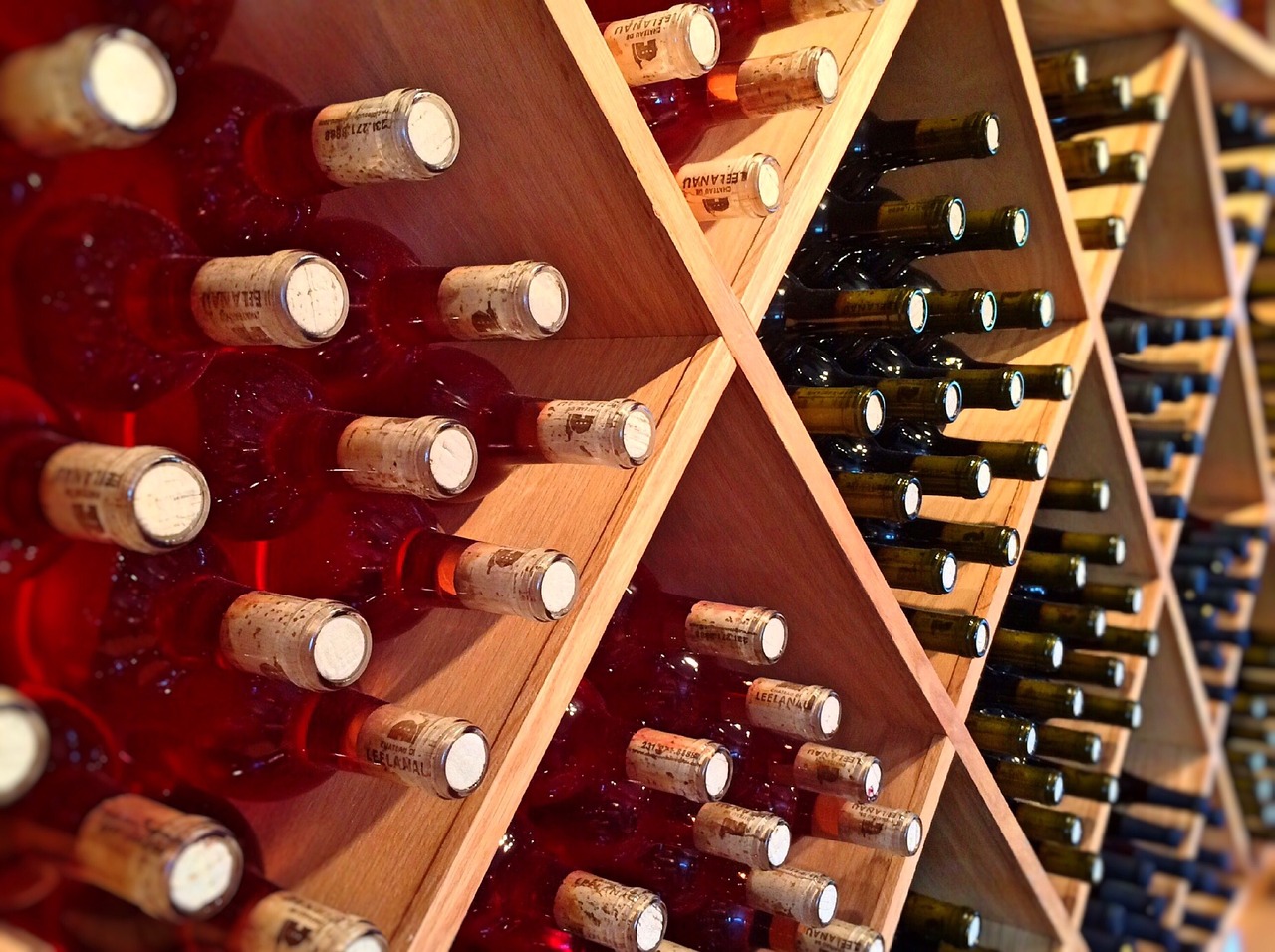
- A wine collection begins with one decision: what kind of collector are you? A drinker-collector (buy wine to eventually drink it, better) is very different from an investor-collector (buy wine to sell at a profit). The strategy, budget, and storage requirements differ fundamentally.
- Storage is the non-negotiable prerequisite. Wine stored incorrectly deteriorates regardless of quality. A consistent 12–14 °C, appropriate humidity (65–75%), darkness, and minimal vibration are the requirements. Temperature is the most critical variable.
- Start with wines you already drink and enjoy. A collection built around your genuine preferences is more sustainable — and more enjoyable — than one built around investment thesis or critical scores.
- Buy horizontally before buying vertically. Three or four bottles of the same wine from the same vintage allows you to track how it develops over time — far more educational than buying one bottle of many different things.
The word "collection" carries more weight than it needs to. A wine collection is simply wine that is being stored with intent — purchased with a specific plan in mind, stored in appropriate conditions, and drunk at a moment that was considered in advance rather than arbitrarily.
That description applies to a dozen bottles in a temperature-controlled corner of an apartment as much as it applies to a château's underground cellar. What makes a collection is the intent and the storage, not the scale.
Before you start: what kind of collector?
The first decision is one of purpose, and it shapes everything that follows.
The drinker-collector buys wine to drink — eventually, better. The goal is to have a cellar that is always a few years ahead of where you are now: wine bought today that will be ready in three, five, or ten years. The drinker-collector prioritises drinking pleasure and personal preference over investment value or critical consensus.
The investor-collector buys wine as a financial instrument, with the intention of selling at a profit when the wine appreciates. This is a legitimate strategy, but it requires a different set of considerations: provenance documentation, bond storage (not personal storage, for insurance and resale purposes), market knowledge, and access to auction houses and merchant relationships. It is also a riskier proposition than it appears — wine investment markets are subject to fashion, and wines that seemed certain to appreciate have sometimes disappointed.
Most readers of this article are drinker-collectors, and the following guidance is written for that purpose.
Storage: the prerequisite
Wine is alive in the bottle. It continues to develop — ideally, to improve — through chemical reactions that occur slowly and continuously over years. These reactions are temperature-sensitive: too warm, and they proceed too fast, producing a wine that ages prematurely and loses freshness. Too cold is less damaging but still undesirable. Fluctuating temperature — the most common problem in apartment storage — is worse than either extreme because the expansion and contraction of the wine stresses the cork seal.
The requirements for appropriate storage: consistent temperature of 12–14 °C; humidity of 65–75% (to prevent corks from drying out); darkness (UV light degrades wine); minimal vibration; and bottles stored on their side (to keep the cork in contact with the wine, preventing oxidation).
If you don't have a cellar — and most people in Switzerland do not — the practical options are: a temperature-controlled wine cabinet (fridge-sized units start at CHF 300–500 and hold twenty to fifty bottles adequately); a professional wine storage service (there are several in major Swiss cities); or, for a small collection, the coolest dark corner of a basement or pantry, with a thermometer to monitor temperature. The last option works for wines you plan to drink within two to three years; it is not appropriate for long-term aging.
What to start collecting
The most sustainable approach: start with wines you already drink and enjoy. A collection built around your genuine preferences is something you will actually use — wines you look forward to drinking as they develop. A collection built around critical scores or investment thesis without personal connection often ends up full of bottles that stay permanently closed.
The categories that reward collection (i.e., that genuinely improve with age rather than simply surviving it) include:
Bordeaux: The archetypal collection wine. Classified growths from good vintages improve for fifteen to thirty years. The second wines of classified châteaux (Carruades de Lafite, Bahans Haut-Brion, Les Forts de Latour) offer the same aging potential at significantly lower prices.
Red Burgundy (Pinot Noir): Develops for ten to twenty years in the best expressions. Premier cru and grand cru Burgundy is expensive at release but develops extraordinary complexity over time. Village-level Burgundy from quality producers develops over five to ten years and is a more accessible entry point.
Barolo and Barbaresco (Piedmont): Nebbiolo-based wines that need time — at least eight to twelve years for serious Barolo — but reward it with exceptional complexity. Some of Italy's most ageworthy wines and relatively accessible compared to Burgundy.
Northern Rhône Syrah (Hermitage, Côte-Rôtie): Ages magnificently for fifteen to twenty-five years in the best examples. Crozes-Hermitage and Saint-Joseph develop over five to ten years and are a practical entry point into Rhône collecting.
German Riesling (Spätlese, Auslese): Among the most age-worthy white wines in the world. A Mosel Auslese from a great vintage develops for twenty or more years and is still underpriced relative to its quality.
Vintage Port: Declared in exceptional years only, ages for twenty to fifty years, and represents consistent value in the context of great aged wine.
The horizontal buying principle
When starting a collection, buy three to six bottles of the same wine from the same vintage rather than one each of many different things. This serves a purpose beyond simply having more of something you like: it allows you to track how the wine develops by opening one bottle every few years and comparing your impressions. A wine at four years is a different proposition from the same wine at eight years; drinking both from your own collection is one of the most educational and enjoyable experiences wine collecting offers.
The patience requirement
The most difficult aspect of wine collecting is leaving bottles alone. Every bottle purchased for aging has an implicit commitment: this will be better in five years than it is today. That commitment is broken every time an aging wine is opened prematurely out of impatience or impulse. The solution is to ensure your collection always has wines that are ready to drink — so the urge to open something is directed toward the right bottles, not the ones that need more time.
The practical approach: for every bottle bought for long-term aging, buy one bottle of something you can open tonight. The collection functions well when the drinker's present desires and the collection's long-term development are addressed separately.
For curated bottles worth adding to a collection — from Swiss indigenous varieties to classic-appellation reds at fair prices — an online wine shop with a built-in sommelier is a natural starting point.
Tell the sommelier what you like to drink — get a starting point for your collection.
Questions we get asked
How many bottles do you need to have a wine collection?
There is no minimum. A collection is defined by intent and storage, not quantity. Twelve bottles stored with a plan — specific wines bought for specific reasons, stored appropriately — constitutes a collection. Most serious collectors start with twenty to fifty bottles and grow from there.
What wines are best for starting a collection?
Start with wines you already drink and enjoy. For reds worth collecting: a village-level red Burgundy, a quality Côtes du Rhône, a young Barolo, or a classified Bordeaux from a good vintage. For whites: German Riesling Spätlese from the Mosel, or a white Burgundy from a reputable producer. The key criterion: the wine must be capable of improving with age.
Can I start a wine collection without a cellar?
Yes. A temperature-controlled wine cabinet is the most practical solution for apartment living. Units holding twenty to fifty bottles start at CHF 300–500 and maintain the 12–14 °C required for proper aging. Professional wine storage services exist in Zurich, Geneva, and other Swiss cities for larger collections.
How long should I age wine before drinking it?
It depends entirely on the wine. Everyday wine is meant to be consumed within one to three years. Village-level Burgundy peaks at five to ten years. Classified Bordeaux from good vintages peaks at twelve to twenty years. The producer's technical sheet usually provides a drinking window; the importer or merchant can advise for specific bottles.