How to Store Wine at Home
You don't need a cellar to store wine well. You need a cool, dark, stable place — and a few rules that prevent the most common mistakes.
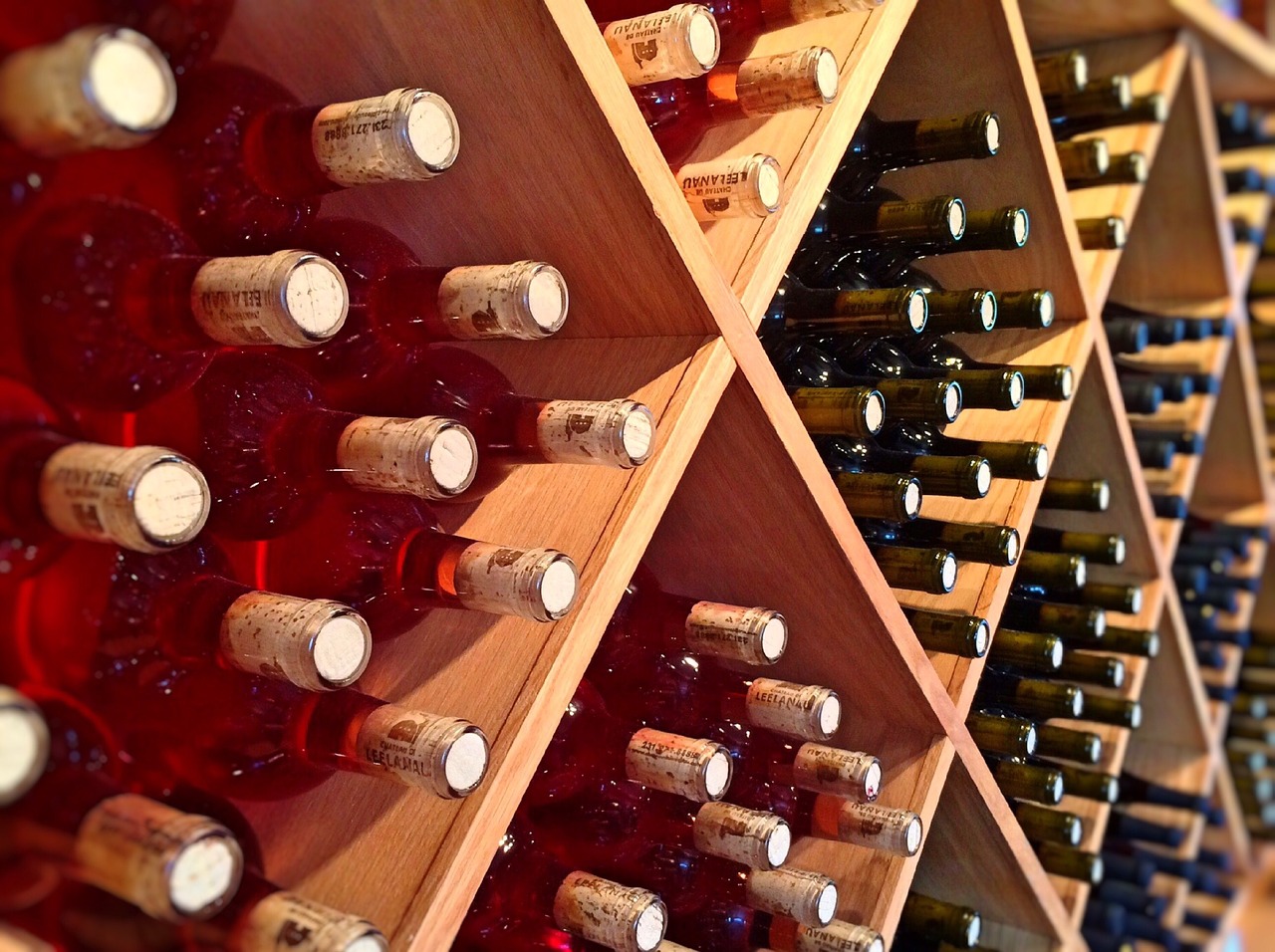
- The enemy of wine is heat, light, vibration, and temperature swings — not age. A wine stored at a stable 12–15°C will outlast the same wine in a warm flat by years.
- Cork-sealed bottles should be stored on their side so the cork stays moist. Screw-cap bottles can stand upright.
- Most wine bought in Switzerland is meant to be drunk within 1–3 years. Only a small fraction benefits from long ageing.
- The fridge is not a storage solution — it's too cold and too dry. Use it for short-term (under a week) white and sparkling wine only.
The question of how to store wine usually gets asked in one of two ways: "I just bought six bottles, where do I put them?" or "I've been given a case of something serious — can I age it at home?" The answers are different, but the principles are the same. Wine has four enemies: heat, light, vibration, and temperature fluctuation. Minimise all four and almost anything else can be improvised.
The four enemies of wine
Heat. Above 20°C, wine ages faster and the process becomes uncontrolled — aromas volatilise, flavours flatten, the wine loses its freshness. Above 25°C or 30°C (a car on a summer day, a windowsill in July), the damage happens quickly: you may notice a "cooked" or jammy quality in the bottle. The ideal temperature range for wine storage is 10–15°C. Stability within that range matters more than hitting the exact number.
Temperature fluctuation. A wine that swings between 10°C and 20°C repeatedly is more harmed than a wine that stays at a stable 17°C. Temperature changes cause the wine to expand and contract, pushing tiny amounts of liquid past the cork (or air in, with a real cork). Over time, this oxidises the wine prematurely. Consistency is the goal.
Light. UV light degrades tannins and causes off-flavours, particularly in white and sparkling wines — the phenomenon known as "light strike" (in French, goût de lumière). Dark glass offers some protection, which is why most wines come in dark green or brown bottles. Even so, keep bottles away from direct light, whether sunlight or fluorescent bulbs.
Vibration. Continuous vibration disturbs the sediment in ageing wines and interferes with the slow chemical reactions in the bottle. Don't store fine wines near a washing machine, speakers, or anywhere with regular mechanical vibration.
Where to store wine at home
The best option: a dedicated wine fridge. A wine cooler (not a kitchen fridge) holds a stable 12–14°C, has low vibration, dark glass, and humidity control. Entry-level models hold 12–18 bottles and cost CHF 150–300. For anyone with more than one case worth of wine worth keeping, this is the most practical answer.
The second-best option: a cool interior room or cupboard. An interior room (no external walls, away from the kitchen and boiler) stays cooler than rooms that get direct sun. A north-facing spare room, a stairwell cupboard, or a room on the lower floor of a house can all work well. Check the temperature across seasons — summer heat is the main risk.
What to avoid: The kitchen (temperature fluctuations from cooking), the garage in summer (too hot), anywhere with direct light, on top of the fridge (the heat coil runs warm), anywhere near a radiator.
The main bedroom: Often overlooked as a storage option. Modern insulation means bedrooms in Swiss apartment blocks stay relatively stable in temperature. If it's dark, doesn't overheat in summer, and isn't next to a boiler, it's fine.
How to position the bottles
Cork-sealed bottles: on their side. Storing cork-sealed bottles horizontally keeps the wine in contact with the cork, preventing the cork from drying out and shrinking. A dry, shrunken cork allows air into the bottle, oxidising the wine. This matters for any bottle with a natural cork that you're planning to keep for more than a few weeks.
Screw-cap bottles: upright is fine. Screw caps don't dry out. Storing them on their side won't hurt them, but there's no structural benefit either.
How long can you keep most wines?
The vast majority of wine sold in Switzerland is designed to be drunk within 1–3 years of purchase. This includes most supermarket wines, everyday restaurant pours, and standard appellation bottlings. They won't improve with age — they'll just decline.
Wines worth ageing are a specific category: fine Bordeaux (especially classed growths), Burgundy premier and grand crus, Barolo and Barbaresco, serious Châteauneuf-du-Pape, vintage Champagne, and certain dessert wines (Sauternes, Tokaj, German TBA). These wines have the structure — tannin, acidity, and extract — to develop positively over time. Most others don't.
If in doubt: drink it. A wine kept longer than it wanted to be kept is a more common tragedy than a wine drunk a year too early.
Tell our sommelier your budget and how much space you have, and we'll suggest what to buy and how to store it.
Questions we get asked
Can I store wine in the fridge long-term?
No. A kitchen fridge is too cold, too dry, and vibrates too much. It's fine for a white you're drinking this week, but cork-sealed bottles left in the fridge for weeks lose their seal and pick up odours. Use a wine cooler for proper cold storage.
Does standing a bottle upright ruin the wine?
For cork-sealed bottles, yes — eventually. A dry cork can shrink and allow air in, oxidising the wine. A few weeks upright is fine; months upright risks premature oxidation. Screw caps are unaffected.
How do I know if a wine is too old to drink?
Pour a small amount and smell it. A wine past its best smells flat, vinegary, or musty. It may taste sour and hollow. A faded wine isn't harmful to drink, but it won't give you much pleasure.
What's the ideal humidity for storing wine?
Between 50 and 80%. Below 50%, corks dry out; above 80%, labels mould. A wine fridge handles this automatically. In a dry centrally heated flat, a small bowl of water in the storage space can help.