What Wine Goes With Raclette
Melted Swiss cheese over a hot stone wants a wine that cuts, not one that fights. Here's what works — and what to leave in the cellar.
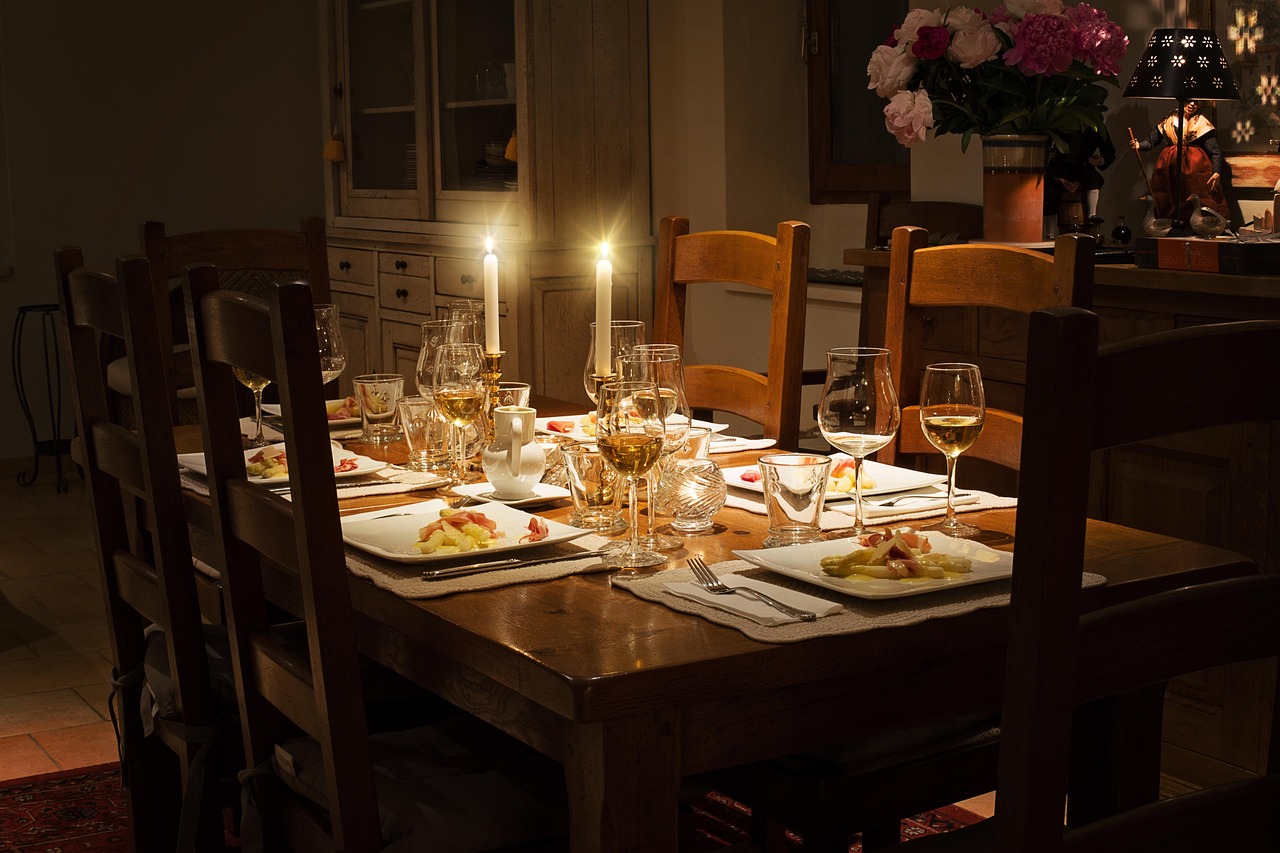
- A dry Swiss white from the Valais — Fendant (Chasselas), Petite Arvine, or Heida — is the local answer and the right one.
- Avoid big tannic reds. Cabernet, Syrah, and oaky reserves clash with melted cheese and feel heavy halfway through dinner.
- If you must serve red, choose a light, chilled Pinot Noir from the Valais or Neuchâtel — served around 14 °C.
- Pour generously: raclette is salty and slow, and guests drink more than they would over a normal dinner.
Raclette is a fatty, salty, melted thing. The wine has one job: cut through the cheese without dragging the meal down. The Swiss answer is almost always a dry white from the Valais — and there's a good reason it has survived every food trend of the last century. It works.
The single best answer: Fendant
Fendant is the local name for Chasselas grown in the Valais. It's the default wine in every Valaisan home for a reason: dry, light, faintly mineral, low in alcohol, and almost transparent in flavour. None of that sounds like a compliment until you taste it next to a plate of melted cheese, when you suddenly understand why nothing else lasts the evening. The wine refreshes the palate between bites without competing for attention. That's the whole job.
Look for producers from Sion, Conthey, or Fully. A simple Fendant from a good cooperative does the job; an old-vine Fendant from a serious grower (Marie-Thérèse Chappaz, Domaine Cornulus, Provins's better cuvées) does it with a bit more character.
If you want more interesting whites
Petite Arvine — the Valais's signature white after Chasselas. Drier, more saline, with a small grapefruit edge. Slightly more expensive, more memorable, and arguably even better with raclette because the salt-on-salt match somehow cancels out.
Heida (Savagnin Blanc, grown above Visp at some of the highest vineyards in Europe). Fuller than Chasselas, faintly nutty, with the kind of brisk acidity that wakes the cheese up. A small treat for the last plate of the evening.
Johannisberg (Sylvaner, in Valais speak). Quieter than Petite Arvine, slightly richer than Fendant — a middle path if your guests find Chasselas too discreet.
Outside Switzerland: a dry German or Alsatian Riesling can work surprisingly well. The acidity is right; the delicate fruit is forgiving of the cheese. Avoid the sweeter Spätlese end of the spectrum.
What about red?
Most red wines lose to raclette. Tannin and melted cheese have a chalky, drying relationship — by the third plate, the wine tastes thinner and the cheese tastes heavier. Cabernet Sauvignon, Syrah, Bordeaux blends, and anything described as a "reserve" all fall into this trap. So does most New World Pinot if it's been polished into oaky territory.
That said, a chilled, light Swiss Pinot Noir — from the Valais, Neuchâtel, or Graubünden — can be a small revelation. Served around 14 °C (twenty minutes in the fridge before the table), the bright red-fruit and the low tannin do something Chasselas can't: they add a savoury bass note next to the cheese and cured meat. It works because Swiss Pinot tends to be paler and leaner than Burgundy. Don't reach for a Gevrey-Chambertin; reach for a Pinot from Salgesch or Cornaux.
The other quiet success: a Dôle — the traditional Valais Pinot Noir / Gamay blend. Light, unpretentious, the regional equivalent of a Beaujolais, and built for exactly this kind of evening.
Quantity, temperature, glassware
Raclette dinners are slower and saltier than a normal three-course meal — people eat for two hours, drink steadily, and reach for water less often than they should. Plan one bottle per two adults rather than the usual one-per-three. Have a jug of mineral water on the table and refill it without being asked.
Serve the white at 8–10 °C — fridge for two hours, on the table in a cooler sleeve. Serve the red, if you're pouring one, at 14 °C. Warm white kills a raclette dinner faster than burnt cheese. Any decent stem will do; if you have a universal white-wine glass, use that for everything and skip the swap.
What absolutely does not work
Heavy reds with high alcohol and oak. Sweet wines (raclette is already rich — sugar makes it cloying). Sparkling wine other than at the start of the meal as an apéro — bubbles and melted cheese is a stranger partnership than it sounds. And ice-cold beer, while traditional in some homes, will leave you uncomfortably full long before the last plate.
Ready to put the right bottle on the table? Choose wine for your raclette dinner — describe your evening, the number of guests, and your budget, and the AI sommelier returns a personalised pick.
Raclette night this weekend? Tell our sommelier how many guests — she'll pick the right Swiss white and a backup red.
Questions we get asked
Should I drink beer or wine with raclette?
Both are traditional in Switzerland. Beer is heavier and fills you up faster, which is a real problem with a long raclette evening. A dry Fendant or Petite Arvine keeps you going longer and matches the cheese more cleanly. If you do drink beer, choose a crisp lager rather than a hoppy IPA.
Is the old rule about not drinking cold water with fondue / raclette true?
It's a myth. The story claims cold water solidifies the cheese into a stomach lump. There's no medical evidence for it. Drink water if you want water — you'll feel better the next morning.
Can I serve a fuller red like a Valais Cornalin?
Cornalin and Humagne Rouge are wonderful Valais reds, but they want a piece of meat — game, lamb, a long braise. They're too structured for melted cheese. Save them for the next night's dinner.
What about a dessert wine afterwards?
After raclette, most people want a coffee and an early bed, not another glass. If you do want a digestif, the Valaisan tradition is a small glass of Williamine (pear eau-de-vie) or a Marc. A late-harvest Petite Arvine works if you've genuinely left room for pudding.