What Wine to Serve at a Swiss Apéro
The Swiss apéro is a national ritual. Here's what to pour for it — and what to leave on the shelf.
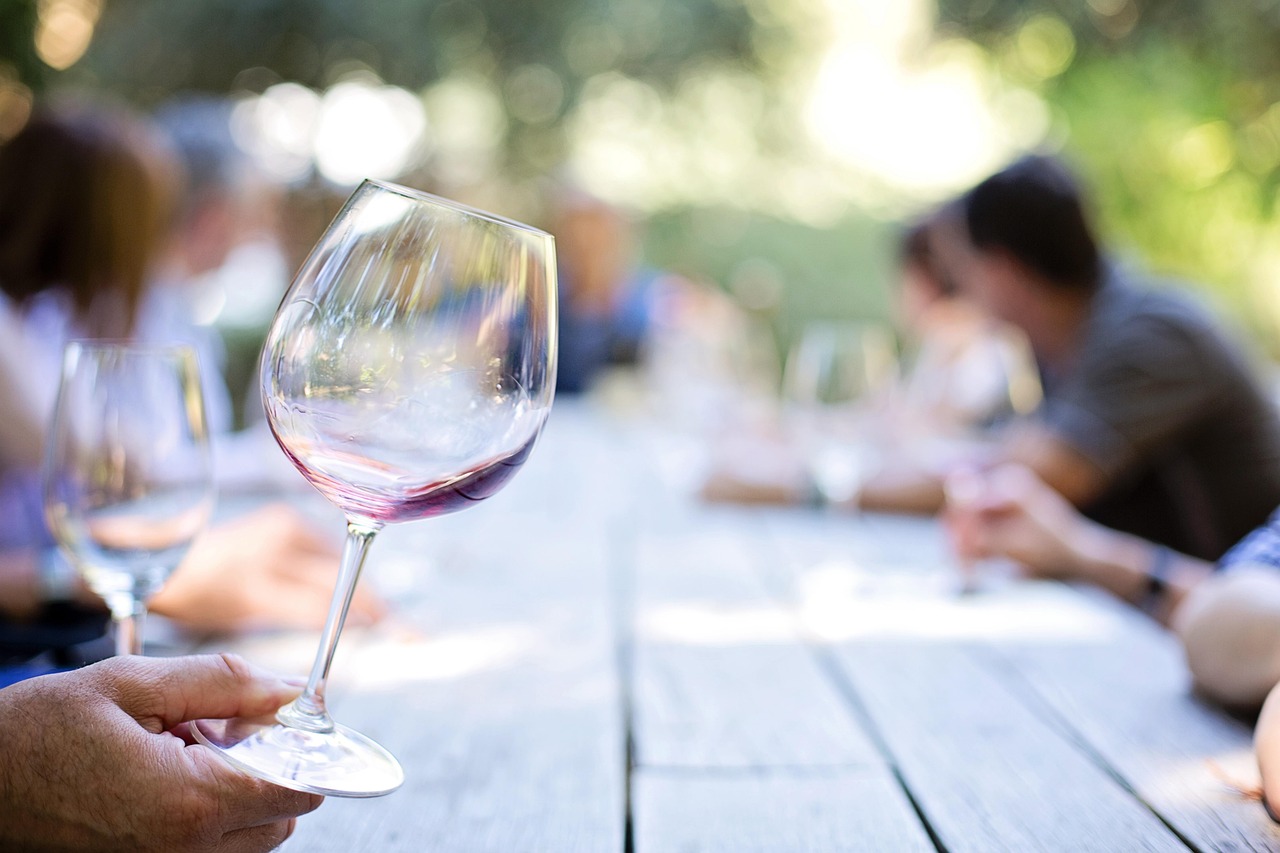
- Chasselas is the default — Swiss, light, made for this exact ritual.
- For bubbles, a dry Crémant or a grower Champagne. Skip the sweet Prosecco.
- For something darker, a chilled Pinot Noir from the Valais — served cool, around 14 °C.
- Plan one bottle per three guests for a ninety-minute apéro, and pour a non-alcoholic option for the same length of time.
If your guests will arrive in an hour and you're staring at a wall of bottles, pour a chilled Chasselas. It's Switzerland's apéro wine — light, faintly mineral, dry enough to refresh and quiet enough not to interrupt the conversation. If you want bubbles, a dry Crémant or a grower Champagne. If you want something redder, a chilled Pinot Noir from the Valais or Neuchâtel. That's the answer. The rest of this is detail.
If you want help narrowing it down, find the right apéro wine in minutes — tell the sommelier the occasion, the food, and how many guests.
Three wines that always work
Apéro is not the moment for a showpiece. It's the moment for a wine that arrives on the table without asking much of anyone. Three styles do this reliably.
Chasselas. Switzerland's most-planted white grape, grown all over the country and especially well in Lavaux and Valais. It's quiet, faintly chalky, sometimes a little spritzy when it's young. Crucially, it doesn't fight food — and at an apéro, the food fights itself enough already.
Crémant or grower Champagne. Bubbles signal an occasion before anyone takes a sip. A Crémant from Alsace or Bourgogne costs a third of grower Champagne and does almost the same job; a grower Champagne does the job better. Either way: bone-dry (brut nature, extra brut, or brut). Sweet sparkling is a dessert wine in disguise — wrong shape for the beginning of the evening.
A chilled, light Pinot Noir. A red at an apéro feels unconventional until you serve it. Look for Swiss Pinot from the Valais or Neuchâtel, or a young red Burgundy at the affordable end. Serve it at 14 °C, not 18 °C — twenty minutes in the fridge before guests arrive. Cold red is the trick that converts sceptics.
Why apéro wine is different from dinner wine
Dinner wine is built around a dish. Apéro wine is built around a conversation. You're standing, you're holding a small plate in your other hand, and you'll spend the next ninety minutes drinking, not eating. That changes what works. Low alcohol matters — fourteen percent is fine over a long meal, less fine on an empty stomach. High freshness matters — acidity keeps the wine awake between sips. Oak, tannin, and ambition do not matter. Save them for the table.
Reading the snack table
Most Swiss apéro tables follow a familiar geometry: hard cheese, cured meat, olives or nuts, sometimes gougères or a piece of fruit. Each leans slightly differently.
Hard cheese — Gruyère, Sbrinz, Tête de Moine — wants a wine with cut. Chasselas works. So does Petite Arvine, the Valais's other great white, drier and more saline.
Cured meat — viande des Grisons, saucisson, jambon cru — likes a light red far more than it likes a white. The chilled Pinot Noir earns its keep here.
Olives, nuts, gougères — anything salty and fatty — points to bubbles. The acidity scrubs the palate between bites, which is the entire point of an apéro snack.
Smoked fish, blinis, anything with crème fraîche — a dry Crémant or a young Riesling. Both have the lift to handle the fat without going limp.
How much to buy
A useful rule: one standard bottle (75 cl) per three guests for a ninety-minute apéro. Six guests, two bottles. Twelve guests, four. If you're including a sparkling and a still — split the count.
Always pour a non-alcoholic option for the same length of time. A good elderflower cordial, sparkling water, and a few slices of lemon do more than a bottle of Schorle and cost less. Alcohol-free Crémant has finally become drinkable; it's worth a try if you have a guest who's pretending not to mind.
What to leave on the shelf
Heavy reds — Cabernet, Syrah, Amarone — are the wrong shape for the occasion. They demand a plate, a knife, and twenty minutes of stillness. Oaky Chardonnay dominates everything it sits beside. Sweet wine belongs at the end of the meal, not the beginning. And warm anything — wine that's been sitting on the counter — kills an apéro faster than a dull guest. If you have a fridge, use it.
Glassware and temperature, in one paragraph
Use a single all-purpose stem if you only have one. A universal white-wine glass handles Chasselas, Crémant, and a chilled Pinot equally well, and it spares you the awkward mid-evening swap. Pour to the widest part of the bowl, no higher — guests want to swirl, even when they don't know that's why they want a half-full glass. Whites at 8 °C, sparkling at 6 °C, reds at 14 °C. If you're not sure, err cold.
Hosting an apéro this week? Tell our sommelier how many guests and when — she'll pick three bottles you can buy tonight.
Questions we get asked
Is rosé OK at an apéro?
Yes, especially in summer. A dry Provence-style rosé sits comfortably between Chasselas and chilled Pinot Noir — light enough to refresh, structured enough to handle charcuterie. Avoid anything sweet or neon-coloured; it photographs better than it drinks.
What about a wine spritzer?
Better than warm bad wine. Not better than a good chilled Chasselas. A small splash of sparkling water in a white that's a touch too rich (an oaky Chardonnay, say) is a defensible move. As a default? No.
How long should the apéro last?
Sixty to ninety minutes. Past that, guests are either hungry or drunk, and the dinner wine has to work twice as hard to recover the evening.
Some of my guests don't drink wine. What do I pour them?
A good elderflower cordial with sparkling water and a slice of lemon. A non-alcoholic Crémant if you can find a decent one. Avoid sugary sodas — they sit oddly next to charcuterie. The point is to give the non-drinker the same ritual as everyone else: a stemmed glass, something cold, something that tastes of an evening.