Impressive Wine Gifts Around CHF 100
At CHF 100, you're buying a genuinely significant bottle. Here's how to spend that well — and what the options look like across France, Italy, Spain, and Switzerland.
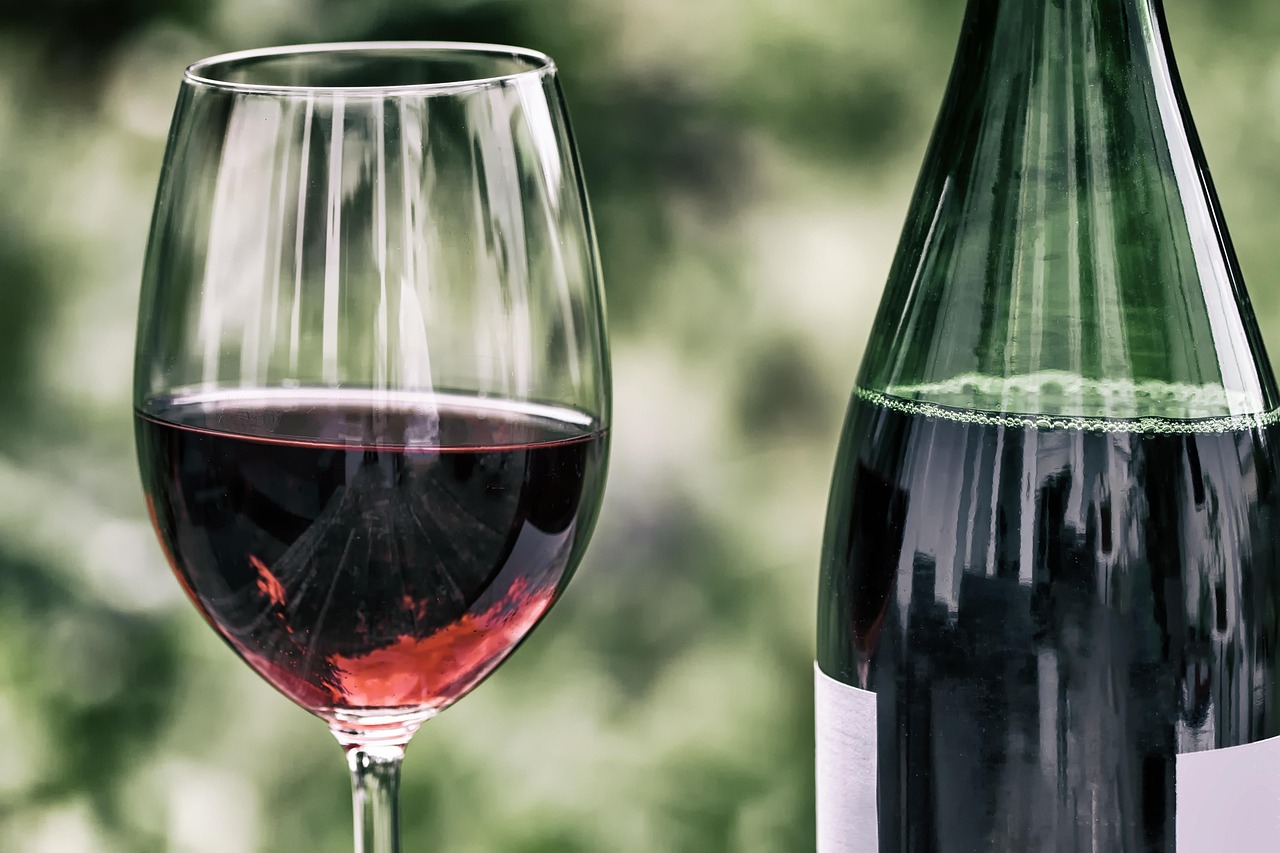
- CHF 100 buys a premier cru Burgundy, a serious aged Bordeaux Cru Bourgeois, a good Barolo or Barbaresco, a vintage Champagne, or an exceptional Swiss bottle — this is the serious gift bracket.
- The jump from CHF 50 to CHF 100 is significant in quality terms: at CHF 100 you access wines with real terroir expression, genuine complexity, and ageing potential.
- For a wine lover's birthday or significant occasion: aged bottles from a specialist (10–15 years) represent better value than buying a young bottle at the same price and waiting.
- Know whether the recipient will drink the wine soon or cellar it — a complex, age-worthy bottle given to someone without a cellar creates anxiety rather than pleasure.
A hundred francs is a statement. At this level, you're no longer buying competence — you're buying character, terroir, and the specific achievement of a winemaker and a site. The range of serious wine available at CHF 80–120 is broader than most people realise: you can find premier cru Burgundy, good vintage Champagne, serious Barolo, and impressive Swiss bottles without reaching into the stratosphere. The challenge is choosing which direction to go.
France
Village or premier cru Burgundy — this is the natural home of the CHF 100 gift. A village wine from a serious domaine (Jadot's Gevrey-Chambertin, Drouhin's Chambolle-Musigny, Faiveley's Nuits-Saint-Georges) gives you real Côte d'Or character. At premier cru level from a well-priced domaine, you access something genuinely rare. Recommended: Gevrey-Chambertin from Nicolas Rossignol or Marsannay from Sylvain Pataille — both serious, both below CHF 100 for village-level wines with the character of a cru.
Vintage Champagne — a bottle from a serious house (Pol Roger, Bollinger, Taittinger Comtes de Champagne) or a grower Champagne (Krug's Rosé if you can find it under CHF 100, Egly-Ouriet, Pierre Péters' prestige cuvée). Vintage Champagne communicates celebration and is always received well.
Sauternes from a great château — a half-bottle or full bottle of Château Suduiraut, Rieussec, or Guiraud from a good vintage (2009, 2011, 2015) in the CHF 40–80 bracket for a half bottle. An aged Sauternes is one of the world's great sweet wines and one of the most distinctive wine gifts possible.
Châteauneuf-du-Pape from a serious estate — Château Beaucastel's entry range, Clos des Papes, La Janasse. Rich, age-worthy, and impressive without being as opaque as aged Burgundy.
Italy
Barolo or Barbaresco — at CHF 80–100, you access the base wines of serious Langhe estates: Produttori del Barbaresco's village wine (exceptional value), Vietti's base Barolo, Giacomo Fenocchio's Barolo Bussia. These are wines of genuine quality and character that reward a few years' patience.
Brunello di Montalcino — the entry level (Rosso di Montalcino is the baby Brunello, typically CHF 30–50) from serious estates like Ciacci Piccolomini, Casanova di Neri, or Poggio di Sotto. For CHF 80–100, you can sometimes find base Brunello from a good but not famous estate.
Switzerland
At CHF 80–100, Swiss wine delivers something genuinely special. A single-vineyard Petite Arvine from Marie-Thérèse Chappaz, a top-tier Cornalin from Simon Maye, or a Dezaley Grand Cru Chasselas from Louis-Philippe Bovard are wines of genuine rarity — Swiss in character, impossible to find outside the country, and at their best genuinely excellent. For a recipient based in Switzerland, an exceptional Swiss bottle at this level is often more interesting than a foreign equivalent.
The aged bottle option
At CHF 100, rather than buying a young bottle that needs years to develop, consider buying an older, already-evolved bottle from a specialist. A 12-year-old Bordeaux Cru Bourgeois, a 10-year-old village Burgundy, or an 8-year-old Rioja Gran Reserva — wines that are already at or approaching their peak — is often a better use of this budget than a young wine that needs a cellar. Buy from a specialist who can guarantee provenance.
To compare bottles actually available at this level, browse wine gifts from sommelia. Tell the sommelier the recipient's taste before choosing the most famous label.
Shopping at the CHF 100 level? Tell the sommelier the occasion and the recipient's taste and we'll find the right bottle.
Questions we get asked
Is CHF 100 enough for a memorable wine?
Yes, easily — if you choose the right wine rather than a famous label at entry level. Premier cru Burgundy, serious Barolo, vintage Champagne, or an exceptional Swiss bottle all deliver genuine complexity at CHF 80–100. Avoid entry-level bottles from famous names — you're paying for the label rather than the wine.
Burgundy or Barolo at CHF 100?
Depends on the recipient. Burgundy is more delicate, aromatic, and versatile — better for elegant, earthy red lovers. Barolo is more powerful and tannic, rewards a serious Italian wine drinker. If unsure: Burgundy is more immediately appealing.
Should I buy one bottle at CHF 100 or two at CHF 50?
One bottle, unless the occasion calls for two. A single well-chosen bottle at CHF 100 communicates consideration. Two at CHF 50 signals uncertainty. Exception: one white plus one red for a specific dinner can be more practically welcome.
What vintage Champagne is worth buying around CHF 100?
Pol Roger's vintage blanc (reliable, excellent quality), Bollinger La Grande Année (often just above CHF 100 but worth stretching). For grower Champagne: Pierre Péters' Les Chétillons or Egly-Ouriet's village-level wines. Both offer outstanding quality at this price bracket.