How to Host a Wine Tasting at Home
A wine tasting at home is one of the most enjoyable and educational things you can do as a wine drinker. It requires three things: a theme, the right glasses, and a willingness to have opinions.
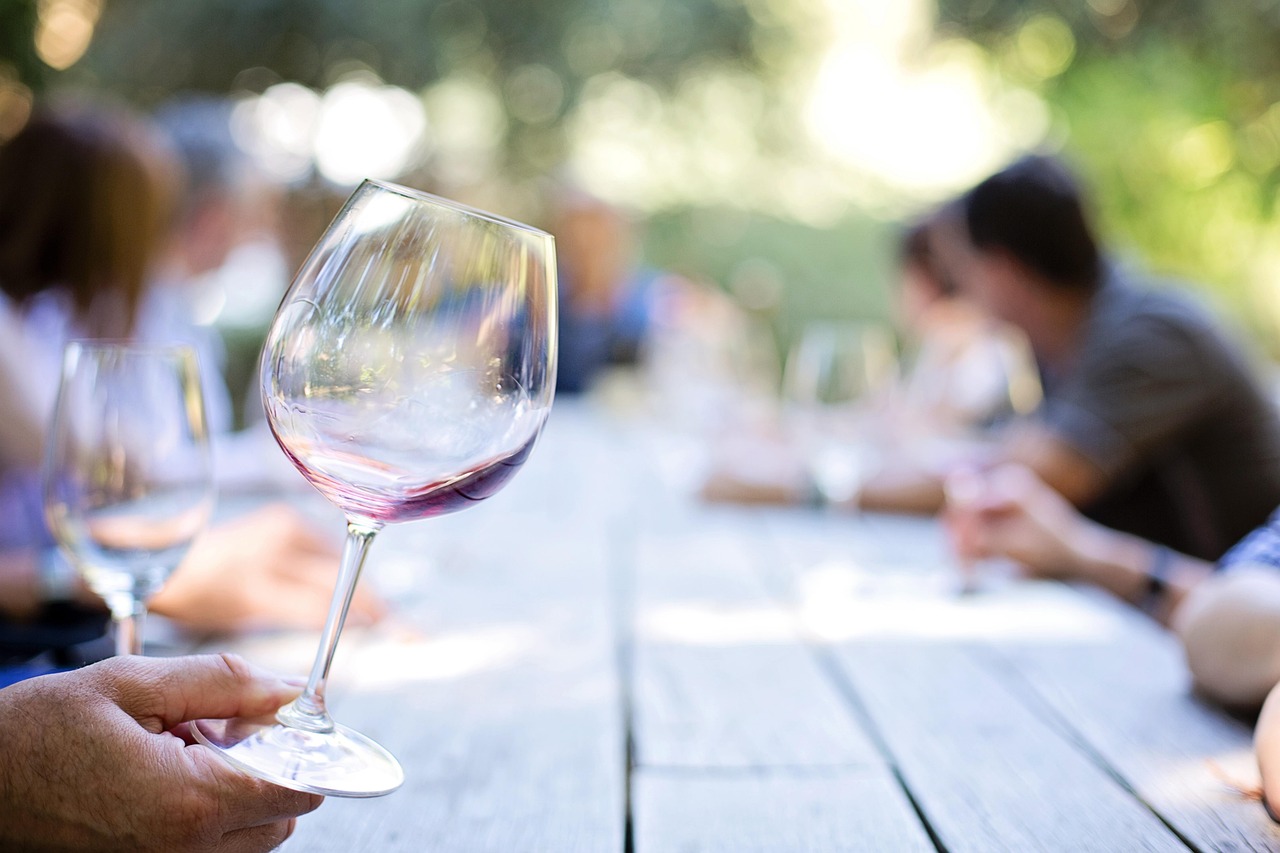
- The best home tastings have a theme: same grape different regions, same region different producers, one variety across multiple vintages, or a structured comparison of two styles. A theme creates contrast — and contrast is what makes tasting educational.
- You need one set of clean, reasonably large wine glasses per person per flight. The most common mistake is under-glassing: too small a glass concentrates the aromas uncomfortably and makes assessment difficult.
- Tasting blind — concealing the labels — removes the price and prestige bias that shapes most wine perception. It is the single most effective tool for developing genuine palate confidence.
- Write notes. Even rough ones. The act of finding words for what you taste forces attention and builds memory. You don't need wine vocabulary — 'tastes like the forest after rain' is a valid and useful tasting note.
A home wine tasting is not a professional exercise or a performance of expertise. It is a structured way to pay attention to wine — to compare, discuss, and remember what you taste in a way that ordinary wine drinking rarely allows. The structure is the key: without it, a dinner party with several bottles is just a dinner party. With it, the same bottles become a conversation about the differences between them.
The requirements are modest: a theme, appropriate glasses, and a group of people willing to be opinionated. Expertise is not required. Curiosity is.
Choosing a theme
The theme is the most important decision in planning a tasting. It determines the bottles, the structure of the evening, and — most importantly — what you learn from the comparison. The best themes create meaningful contrast: the differences between the bottles tell you something about the grape, the region, the winemaker, or the vintage.
Same grape, different regions: The most instructive format for understanding how terroir and climate shape character. Four Chardonnays from Chablis, Meursault, Napa, and Tasmania; four Pinot Noirs from Burgundy, Oregon, New Zealand, and Germany. The grape is the constant; everything else is the variable.
Same region, different producers: Demonstrates how winemaking philosophy and vineyard management produce radically different wines from the same raw material. Five Chianti Classicos from neighbouring estates; four Barossa Shirazes from producers with different stylistic approaches.
Vertical tasting (same wine, multiple vintages): Shows how a wine develops over time — and how vintage variation affects character. Three vintages of the same estate wine: the current release, one five years older, one ten years older. Requires more planning and a higher budget, but produces extraordinary learning.
Blind comparison of price points: Same grape, dramatically different prices — a CHF 15 Burgundy next to a CHF 80 Burgundy, or a CHF 12 Cava next to a CHF 60 Champagne. The results are often surprising and consistently entertaining.
The logistics
Group size: Four to eight people is ideal. Fewer than four and the conversation lacks diversity; more than eight and the event becomes difficult to manage and the bottles run short.
Number of wines: Four to six wines is the right range for a focused tasting. Below four, the comparisons are limited; above six, palate fatigue sets in and the later wines are assessed less carefully. If you want to taste more, break the tasting into two flights with a break and food in between.
Quantities: A standard bottle (75cl) provides approximately six tasting pours (approximately 125ml each). For a group of eight tasting six wines, you need six bottles. If the tasting is followed by dinner and guests will continue drinking, adjust accordingly.
Glasses: One proper wine glass per person per flight, or — better — one glass per wine per person if you want guests to compare wines simultaneously. Clean glasses are essential; any residual detergent or previous wine will distort the tasting. The glasses should be large enough (at least 35cl) to allow the wine to be swirled.
The tasting process
Pour in order from lightest to fullest: Sparkling before still; whites before reds; lighter reds before fuller reds; dry before sweet. Tasting in reverse order — starting with a powerful red — makes the lighter wines that follow seem thin and lifeless.
The three-step assessment: Look (colour, clarity, depth), smell (first impression, then specific aromas after swirling), taste (first impression on the palate, mid-palate development, and the finish). Each step tells you something. The colour of a red wine indicates age (orange rim suggests bottle age); the smell tells you the grape variety and winemaking style; the palate shows structure (acidity, tannin) and length.
Blind tasting: Concealing the labels removes the most powerful source of bias in wine assessment: price and prestige expectation. Cover bottles with foil or bags, or have a host pour without guests seeing the labels. The results are almost always surprising — and the surprises are what people remember.
Written notes: Provide a simple scoring sheet — a few lines for impressions and a score out of ten — for each wine. The act of writing forces guests to articulate impressions they might otherwise leave unexamined, and creates a record of the event that is genuinely useful for future wine buying.
Food
Food during a focused tasting should be neutral: plain bread, water crackers, and unsalted water. Strong flavours — cheese, cured meat, olives — significantly alter the perception of wine, and if tasting is the primary purpose, food should not compete. If the tasting transitions into a dinner, introduce food at that transition.
A cheese course makes an excellent post-tasting interlude — it demonstrates the wine-food pairing principles discussed during the tasting in real time, and gives guests a chance to revisit wines that surprised them.
For a tasting set with a theme already built in, ask the online sommelier — describe the format, grape, region, or style and get specific bottle recommendations.
Tell the sommelier your group size and budget — get a tasting theme and bottle list.
Questions we get asked
How many wines should I serve at a home tasting?
Four to six wines is the practical range for a focused home tasting. Fewer than four and the comparative element is limited; more than six and palate fatigue sets in and attention drifts. Six wines for a two-hour tasting with a clear theme is the format that most consistently produces genuine learning and genuine enjoyment.
What is the best theme for a home wine tasting?
The themes that work best for beginners: one grape variety across three to four regions (Pinot Noir from Burgundy, Oregon, and New Zealand); one region across three price points; or a vertical tasting of the same wine across three vintages. Any of these generates immediate, interesting comparison without requiring prior wine knowledge.
How much wine do I need per person for a tasting?
A standard pour for a tasting is 50–60ml, meaning one 75cl bottle serves twelve to fifteen tasting pours. For four wines and six guests, two bottles of each wine provides generous pours with room to revisit. Budget one bottle per wine for groups of six or fewer; two bottles for groups of seven to twelve.
Should I serve food during a wine tasting?
Food during a focused tasting should be neutral: plain bread, water crackers, and unsalted water. Strong flavours significantly alter wine perception. If the tasting transitions into a dinner, introduce food at that transition — a cheese course makes an excellent post-tasting interlude that demonstrates pairing principles in real time.