Choosing Wine for a Dinner Party
A dinner party wine list doesn't need to be complicated. It needs to be thought through. Here's how to choose wine for every stage of the evening.
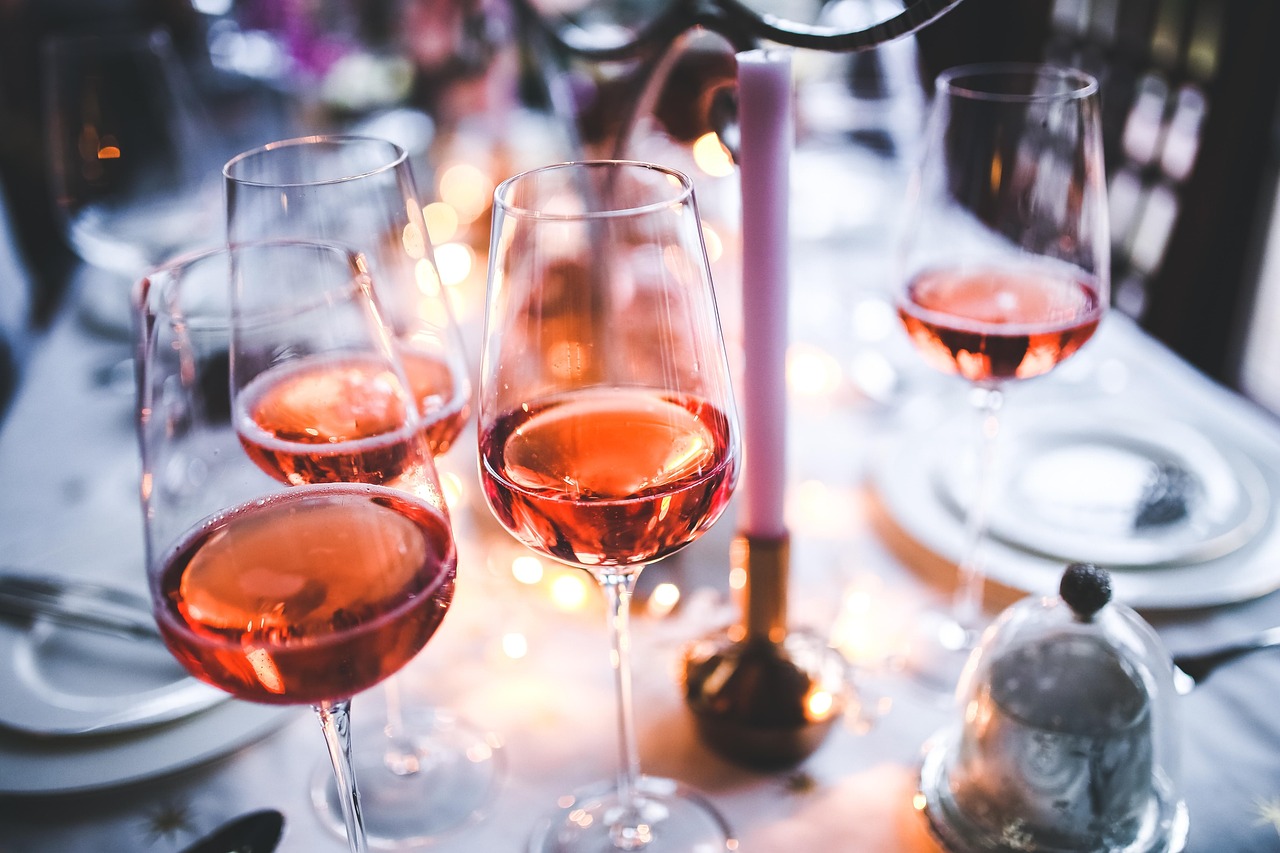
- Structure your wine list around the meal's three stages: aperitif, main course, and dessert or cheese. Each stage has a clear wine logic — and you only need one wine per stage.
- The aperitif sets the tone. A dry sparkling wine is the most reliable opener: it signals celebration, refreshes the palate before food, and is almost universally acceptable.
- Match the main course wine to the most substantial element on the plate — not the sauce, not the garnish, the protein or the main ingredient. A Burgundy-style Pinot Noir covers fish, poultry, and light meat simultaneously.
- Cheese and dessert are where wine selection is most often neglected. A small pour of Sauternes with blue cheese, or a sweet Vouvray with a fruit-based dessert, elevates the end of the meal disproportionately to the effort required.
A dinner party is a structured social occasion, and wine — chosen well — follows that structure naturally. The mistake most hosts make is treating wine as a single decision rather than a sequence of decisions matched to the evening's arc. The result is one bottle opened at the start and the same wine poured through every course, regardless of what it's being asked to do.
The better approach: one wine per stage, chosen for what that stage needs.
Stage one: the aperitif
The aperitif is the easiest wine decision of the evening. Its job is to refresh, welcome, and create a sense of occasion — not to complement food, demonstrate knowledge, or impress with complexity.
Dry sparkling wine covers this stage better than anything else. The choice within that category is wide: a quality Champagne for a formal occasion, a Crémant d'Alsace for a relaxed one, a Franciacorta if you want something less familiar but equally serious, a Swiss Méthode Traditionnelle from the Vaud if you want to start with something local.
Still aperitif wines are an option — a crisp Sancerre, a dry Vermentino, a Swiss Chasselas — but they carry slightly less festive weight. Sparkling wine communicates effort without requiring explanation.
Plan one bottle per four guests for the aperitif hour. People drink at a measured pace before dinner; the food on the table will keep the consumption moderate.
Stage two: the main course
The main course wine does the most work of the evening. It needs to hold up through the most substantial food, complement the flavours without competing with them, and sustain interest through what may be an hour or more of eating and conversation.
The matching logic is straightforward: identify the most substantial element on the plate (the protein, the dominant ingredient) and work from there.
Fish and seafood: A white with high acidity and mineral character — Chablis, Muscadet, a good Alsatian Riesling, a white Burgundy. Avoid oaky whites with delicate fish; the oak competes. With rich fish (salmon, monkfish, sea bass with a butter sauce), a light Pinot Noir is also viable.
Poultry: The most versatile pairing territory. A medium-bodied white (Viognier, white Burgundy, quality Côtes du Rhône blanc) works beautifully. So does a light-to-medium red — Pinot Noir, Gamay, young Barbera. The sauce is your guide: cream sauce pulls toward white; mushroom or red wine reduction pulls toward red.
Red meat: A structured red with tannin and body. Bordeaux blends for beef. Rhône reds (Grenache, Syrah) for lamb. Barolo or Barbaresco for braised meat. The principle: tannin cuts through fat, so the richer the meat, the more structure the wine needs.
Vegetarian: Match the dominant flavour — earthy (mushrooms, root vegetables) with Pinot Noir or aged Grenache; bright and acidic (tomato, lemon, herbs) with a crisp Italian white (Verdicchio, Vermentino) or a dry rosé. Avoid heavy, tannic reds with vegetarian food; without meat fat to soften them, the tannins taste harsh.
For the main course, plan one bottle per two guests at a seated dinner.
Stage three: cheese and dessert
This is the stage most often handled with the last glass of the main course wine — which usually means a tannic red meets a runny brie, with predictably poor results. The effort required to do this stage properly is small; the impact is disproportionate.
Cheese: Champagne is a genuinely great cheese wine — the acidity cuts through fat brilliantly, and the combination of bubble and richness is one of the better pairings in the repertoire. A sweet wine (Sauternes, Monbazillac, Tokaji) with blue cheese is a classical combination and a guaranteed talking point. Aged red Burgundy or Barolo with a hard aged cheese (Comté, Parmigiano) is equally satisfying.
Dessert: Match sweetness to sweetness. A dessert wine must be at least as sweet as the food — otherwise it tastes thin and acidic by comparison. Sweet Vouvray or Riesling Spätlese with fruit-based desserts. Sauternes or Tokaji with richer, cream-based sweets. Port or Banyuls with chocolate.
A half-bottle (37.5cl) of Sauternes serves four generous dessert pours. This is both practical and, for most guests, sufficient — sweet wine is consumed in smaller quantities by design.
The practical shortcut
If planning three stages feels like too much for a casual dinner party, default to two wines: one sparkling and one still. Open the sparkling for the aperitif and first course; bring out the still for the main. Choose the still wine based on the most substantial course. This covers the evening well without requiring extensive planning.
The underlying principle of dinner party wine is hospitality: the wine should serve the food, the guests, and the occasion — in that order. A wine that does all three is a success, regardless of price or prestige.
For a wine list planned around your specific menu and guests, build a wine list for your dinner — describe each course, the budget, and the occasion.
Tell the sommelier your menu and guest count — get a full wine plan.
Questions we get asked
What wine pairs with both fish and meat if I'm serving a mixed table?
A light Pinot Noir, served at 14–15 °C. It is light enough to pair with rich fish (salmon, monkfish, tuna), structured enough to handle poultry and lighter red meat. A quality Bourgogne Rouge or a Swiss Pinot Noir from the Valais at this temperature is one of the most versatile dinner-party choices available.
Should I buy one wine for the whole dinner or different wines per course?
One wine per stage is the practical ideal: one for the aperitif, one for the main course, one optional dessert wine or digestif. Changing wines with each course is restaurant service and is usually too complicated for home hosting. A well-chosen white for the aperitif and a red for the main covers most menus.
How do I choose wine for a vegetarian dinner party?
Match the dominant flavour. Earthy dishes (mushrooms, root vegetables, lentils): a Pinot Noir or an earthy Côtes du Rhône. Bright, acidic dishes (tomato, lemon, herbs): a Sauvignon Blanc or a Barbera. Rich, creamy dishes (risotto, pasta with cream, gratins): an oaked Chardonnay or a full white Burgundy. Vegetarian food is excellent for wine pairing.
Is it acceptable to serve the same wine through every course?
Acceptable, yes — especially at an informal dinner. A high-acid, medium-bodied wine (a quality Sancerre, a village red Burgundy, or a dry Swiss white) is versatile enough to hold through multiple courses. The key is choosing a wine that won't fatigue — something fresh and food-friendly rather than powerfully oaked or very tannic.