How Much Wine to Buy for a Party
There is a formula. It takes thirty seconds, accounts for the length of the event and type of occasion, and means you'll never run out — or buy three cases too many.
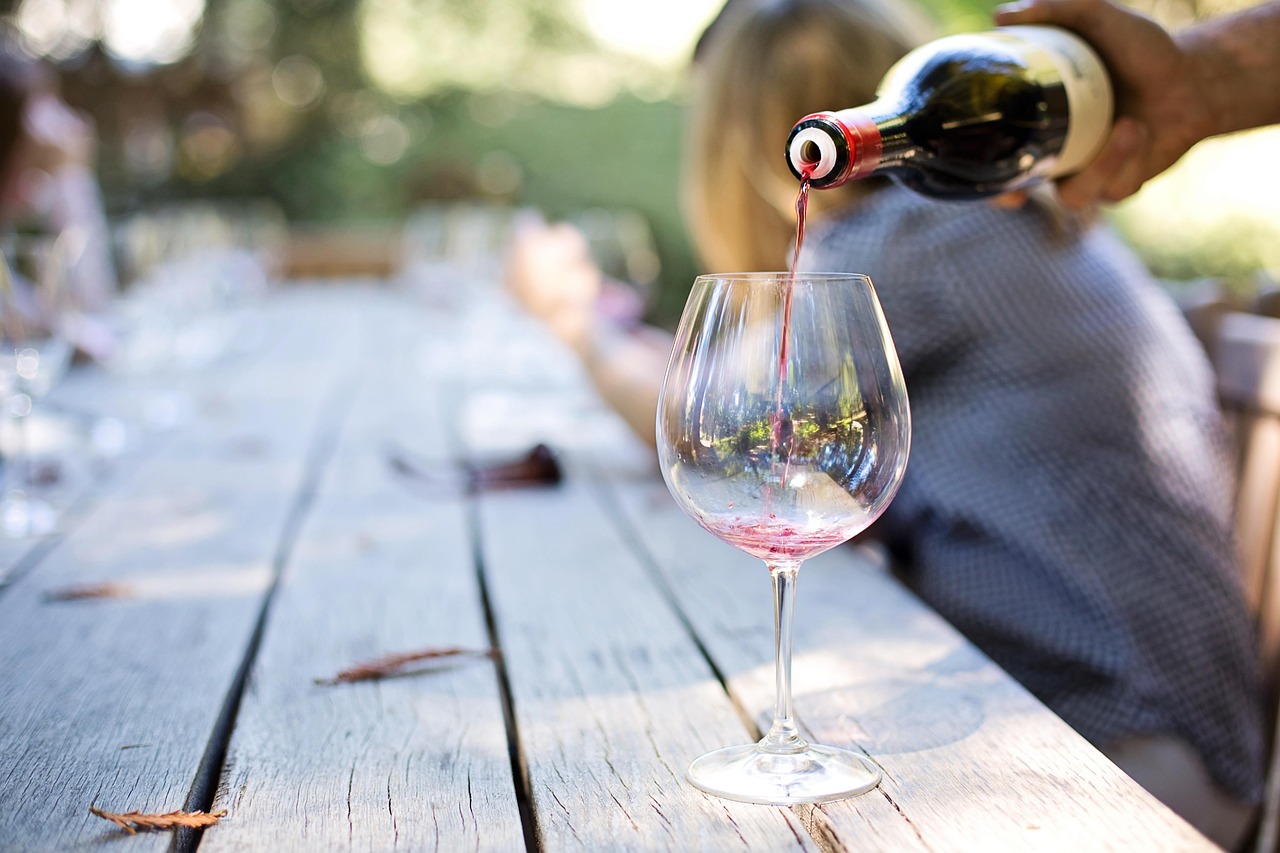
- The base calculation: one 75cl bottle serves five medium pours. For a two-to-three hour dinner, plan one bottle per two guests. For a ninety-minute apéro, one bottle per three guests.
- Always add a buffer: one extra bottle per eight guests, minimum. Running out mid-evening is the one hosting failure that cannot be recovered.
- Mix matters: if you're serving both red and white, buy 60% white and 40% red for a mixed group. Adjust for the food — a red-meat dinner shifts toward red; a fish or vegetable menu shifts toward white.
- Leftover wine is not a problem. Unopened bottles keep; opened whites keep three to five days in the fridge; opened reds two to three days at room temperature or in the fridge.
The anxiety about buying enough wine for a party is almost universal — and almost entirely avoidable. There is a straightforward calculation that has been refined by caterers, sommeliers, and restaurant buyers over generations. It is not complicated. What complicates it is the number of variables people try to account for without a framework.
Here is the framework.
The base formula
Start with one number: a standard 75cl bottle holds five medium pours (150ml each) or four generous ones (185ml each). Everything else is arithmetic.
Dinner (2–3 hours, seated): One bottle per two guests. A table of eight needs four bottles as a working minimum. Add one spare for every eight guests. Eight guests: five bottles. Twelve guests: seven bottles.
Apéro or reception (60–90 minutes, standing): One bottle per three guests. People drink more slowly when standing, grazing rather than sitting down to eat. The food (charcuterie, cheese, nibbles) paces the drinking. Twenty guests: seven bottles.
Long evening (4+ hours, dinner into dancing or extended conversation): One bottle per guest, planned across the full evening. This seems like a lot; it rarely feels like too much. Factor in that the first two hours tend to be the heaviest drinking — the enthusiasm of arrival, the first round of toasts — and the pace slows considerably after the main course.
Red, white, and sparkling: the split
For a mixed group with no strong collective preference, start here:
60% white or sparkling, 40% red. Most people, when not sure what they want, default to white — it is lighter, lower-commitment, and more adaptable to early-evening food. Red comes into its own with the main course.
Adjust for the food. A dinner built around red meat shifts to 60% red. A dinner built around fish, seafood, or vegetables shifts to 70–80% white. A summer lunch outdoors can go entirely white and rosé with no gaps.
If you're serving sparkling wine as an aperitif, budget it separately from the dinner wine. One bottle per four guests for the first hour, then transition to white and red for the meal. Don't expect sparkling wine to carry the whole dinner — people switch to still wine once food is on the table.
The buffer rule
Always buy one more bottle than the formula suggests for every eight guests. This is not generosity; it is insurance against the three things that reliably throw off any calculation: slower-than-expected dinner timing (guests linger over the main course and the wine runs with them), a particularly good conversation that extends the evening, and the one guest who drinks considerably more than the group average.
Running out of wine mid-dinner is the one hosting failure from which an evening does not fully recover. The scramble to the corner shop, the awkward hiatus, the apologetic explanation — all of these do more damage to the atmosphere than three leftover bottles ever could.
Leftover wine is not a problem. Unopened bottles are entirely reusable. Opened whites keep three to five days sealed in the fridge with a simple stopper. Opened reds keep two to three days at room temperature or in the fridge (lighter reds in the fridge, fuller reds at room temperature). The myth that opened wine must be finished the same evening costs more in unnecessary purchases than almost anything else in wine.
Quick reference by group size
4 guests, dinner: 3 bottles (2 + 1 buffer)
6 guests, dinner: 4 bottles
8 guests, dinner: 5 bottles
12 guests, dinner: 7 bottles
20 guests, dinner: 11–12 bottles
10 guests, apéro: 4 bottles
20 guests, apéro: 7–8 bottles
30 guests, apéro: 11 bottles
Non-alcoholic provision
A proportion of every group either does not drink or is moderating. The polite calculation: assume 10–15% of guests will want a non-alcoholic option at any given moment, even if most of them drink alcohol overall. Have sparkling water, a good elderflower cordial, or a quality non-alcoholic alternative available in the same quantities as you would serve wine — the same stemmed glass, the same temperature, the same attention. The non-drinker who is handed a glass of tap water while everyone else has wine notices the difference.
Once the quantities are clear, build the bottle plan for your dinner around the menu, guest count, and budget rather than buying the same wine for every stage.
Tell the sommelier your guest count and format — get a buying plan.
Questions we get asked
How many bottles of wine do I need for 20 people?
For a seated dinner (two to three hours): ten to twelve bottles. For a ninety-minute aperitif or standing party: eight to ten bottles. The working formula is half a bottle per person per hour of drinking. Adjust up for summer, a long evening, or a group of known wine drinkers.
Should I buy more red or white?
For a mixed group with no known preference: 60% white (or sparkling), 40% red. Adjust for the food — a BBQ skews red; a summer lunch skews white. In summer, having more white and sparkling than red is almost always right.
How long does opened wine keep?
Opened white wine: three to five days sealed in the fridge with a stopper. Opened red wine: two to three days at room temperature, or four to five days if stored in the fridge and brought back to temperature before serving. Sparkling wine: one to two days with a proper Champagne stopper.
How much wine for an aperitif before dinner?
One bottle per four guests for the aperitif hour is the working figure. People drink at a measured pace before food. A table of eight needs two bottles for the hour before sitting down, then a separate allocation for wine with dinner.