How to Choose Wine for Any Occasion
Choosing wine for any occasion comes down to three questions. Once you can answer them, you'll never freeze in front of a wine shop again.
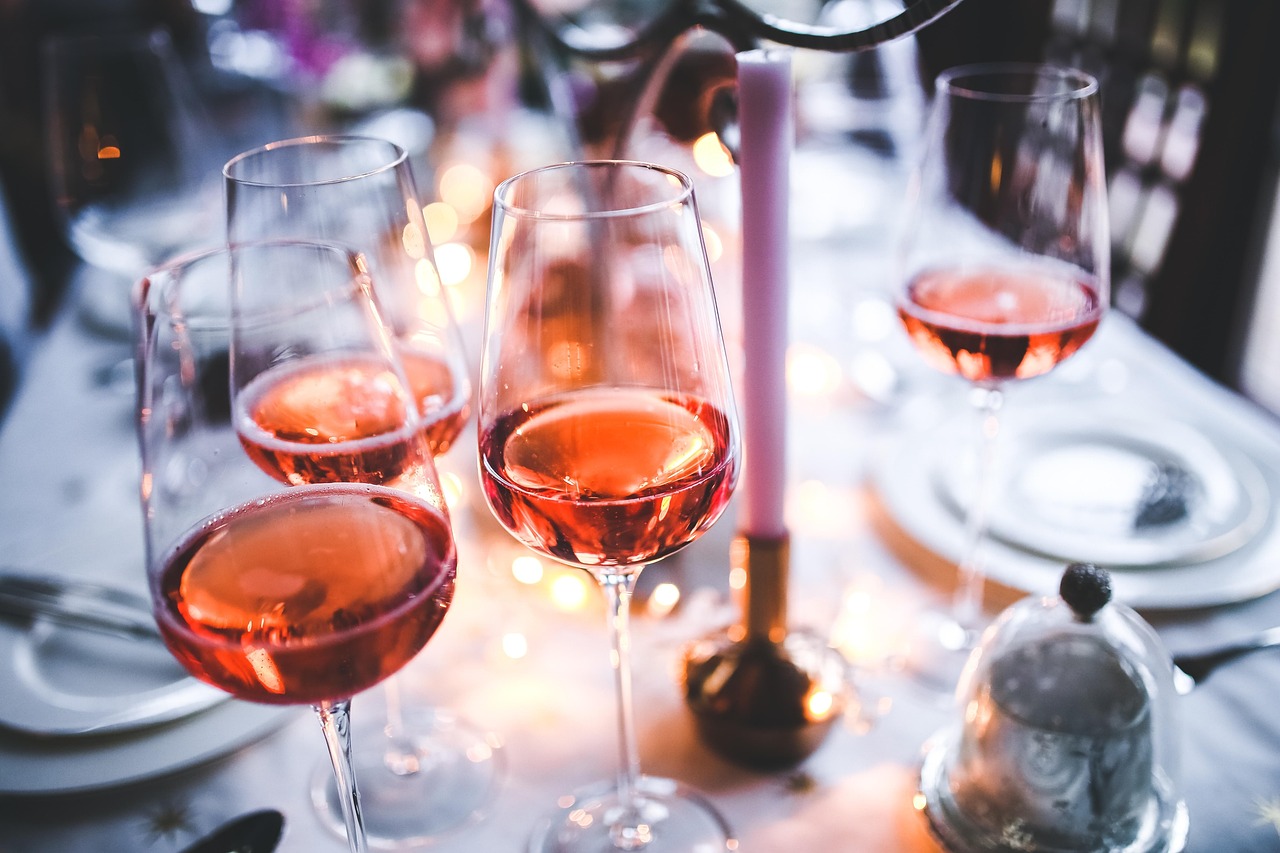
- The three questions that unlock every occasion: How many people? How formal is it? What's the food? Everything else — region, grape, vintage — is secondary to these.
- Default to versatility when uncertain. A dry sparkling wine, a medium-bodied white with good acidity, or a light-to-medium red covers more situations than a bold, polarising wine.
- Serving temperature matters more than most people realise. A good wine served too warm tastes flat and alcoholic. A chill of 30 minutes in the fridge saves more situations than a bottle upgrade.
- One bottle per two guests for a dinner; one bottle per three guests for an apéro or reception. Buy one extra for every eight guests — running out is more awkward than having a bottle left over.
The question "what wine should I bring?" lands differently depending on context. The same person who confidently orders wine at a restaurant will freeze in a wine shop, unsure whether to buy a Bordeaux or a Burgundy, a red or a white, something safe or something interesting. The shop is not harder than the restaurant. The context is simply less structured.
Structure solves the problem. Three questions, answered in order, narrow every occasion down to a clear category — and within that category, almost any reasonably made bottle will succeed.
The three questions
How many people? Large groups reduce the need for precision. When fifteen people are drinking, no single wine will be everyone's favourite — so buy something broadly appealing and let the conversation carry the evening. Small gatherings (four or fewer) allow for more specificity. You can match wine to the food, to the guests' known preferences, to the season.
How formal is it? Formality governs expectation. A casual weeknight dinner with friends rewards something fun and interesting — a natural wine, an unusual grape, a value find you're excited about. A formal dinner, a business occasion, or a milestone celebration calls for something recognisable and reliable. This is not a compromise; it is an understanding that wine at a formal dinner is background rather than subject.
What's the food? Food is the easiest variable to use because the pairing logic is simple: match weight. Light food with light wine, rich food with full wine. Fish and seafood with whites that have high acidity. Grilled meat with structured reds. Cheese with almost anything — including surprisingly good Champagne. When you don't know the food, choose a wine with high acidity: it is the universal adapter.
The reliable defaults by occasion
Certain wines recur reliably across occasions because they are designed to please broadly rather than deeply. These are not compromises — they are the result of winemakers understanding that most wine is drunk with food and people, not contemplated in silence.
Apéro or reception: Dry sparkling wine is the most versatile opener — it signals celebration without weight, refreshes before food arrives, and accommodates non-drinkers who want something festive. A quality Crémant d'Alsace, a grower Champagne, or a Swiss Méthode Traditionnelle covers this entirely.
Casual dinner, mixed group: A dry, unoaked white with good acidity — Sancerre, Chablis, Alsatian Riesling, Muscadet — pairs across fish, salads, pasta, and aperitif food without requiring any specific match. If the group leans red, a light Pinot Noir or a Gamay (Beaujolais, Swiss Gamaret) drinks well across a wide range of dishes.
Formal dinner: Match the most significant course. If beef is the centrepiece, choose a Bordeaux-style red or a serious Côtes du Rhône. If fish dominates, a white Burgundy or a top Alsatian white. When in doubt, a classic Bordeaux blanc (Sauvignon Blanc and Sémillon) bridges fish and lighter meat dishes with composure.
Celebration: Champagne is not the only option, but it is the most legible one. A serious Champagne — a blanc de blancs from a small house, or a vintage from a reliable négociant — communicates occasion without explanation. If budget is the constraint, a quality Franciacorta or a Premier Cru Crémant achieves a similar effect.
Outdoor or summer event: Light, chilled, and refreshing. Dry rosé (Provence or Bandol) is the canonical summer wine — it handles food from grilled fish to charcuterie to simple salads, and it performs better chilled than most reds or full whites. A Swiss Chasselas serves the same function in a Swiss context.
How much to buy
The standard calculation: one bottle (75cl) serves five medium pours or four generous ones. For a dinner lasting two to three hours, plan one bottle per two guests. For an apéro or pre-dinner reception (sixty to ninety minutes), plan one bottle per three guests. For a long celebration evening, one bottle per guest is not unusual.
Always buy one bottle more than you calculate. The cost of running out — the awkward pause, the dash to the corner shop, the interruption to the evening — exceeds the cost of a spare bottle by a significant margin. The spare bottle, if unopened, keeps.
Temperature: the variable people ignore
Serving temperature has more impact on how a wine tastes than small differences in quality. A decent wine served at the right temperature beats an excellent wine served too warm.
White wines and rosé: 8–12 °C (30–45 minutes in the fridge from room temperature). Light reds (Beaujolais, young Pinot Noir, Swiss Gamay): 12–14 °C (15–20 minutes in the fridge). Full reds (Bordeaux, Rhône, Barolo): 16–18 °C — which is cellar temperature, not room temperature. If your room is 22 °C, your "room temperature" red is already too warm. Ten minutes in the fridge before serving corrects this.
The single most effective improvement most people can make to their wine experience is to serve whites warmer (less ice-cold) and reds cooler (less room temperature). Most whites arrive at the table too cold; most reds arrive too warm.
The one rule that covers everything
When you have no time, no information, and no guidance: buy a dry sparkling wine. Champagne, Crémant, Cava, Franciacorta, Swiss Méthode Traditionnelle — any of these, served cold, in the right glass, performs across every occasion. It signals effort. It adapts to almost any food. It makes people feel something has been thought about.
The underlying principle: wine is a social object before it is a sensory one. The bottle you bring communicates attention, generosity, and taste before anyone has tasted a drop. Getting the occasion right matters more than getting the appellation perfect.
If answering those three questions still leaves you unsure, use the online wine sommelier — describe the occasion, the guests, and the budget, and get a confident recommendation rather than a search result.
Tell the sommelier your occasion — get a specific recommendation in seconds.
Questions we get asked
What is the safest wine to bring when you don't know the food?
A dry sparkling wine — Champagne, Crémant, Cava, or Franciacorta. It works as an aperitif before food is served, pairs with almost any starter or light dish, and reads as a generous, thoughtful gift. At CHF 20–30, a quality Crémant d'Alsace or de Bourgogne is the most reliable all-occasion wine you can buy.
How do I choose between red and white when I don't know the menu?
Ask one question: is the occasion likely to involve red meat as the centrepiece? If yes, bring a medium-bodied red. If no — or if you're not sure — bring a quality white or a sparkling wine. Whites and sparkling wines are more versatile across menus and seasons than reds.
How much wine should I buy for a party of ten?
For a seated dinner of two to three hours: five bottles as a working minimum, six to be safe. For a standing aperitif of ninety minutes: two to three bottles. The formula is half a bottle per person per hour of drinking — more in summer, less for a quick lunch.
Does expensive wine impress people at a party?
Less than you might expect. Most guests cannot identify a CHF 40 wine from a CHF 120 wine in a social setting. What impresses is a wine with a story — something with a connection to the occasion, the host, or the food — and a wine that is served at the right temperature in decent glasses.