The Best Summer Wines
Summer changes what makes a wine good. The light, the heat, and the food all shift. Here are the styles that genuinely thrive in warm weather.
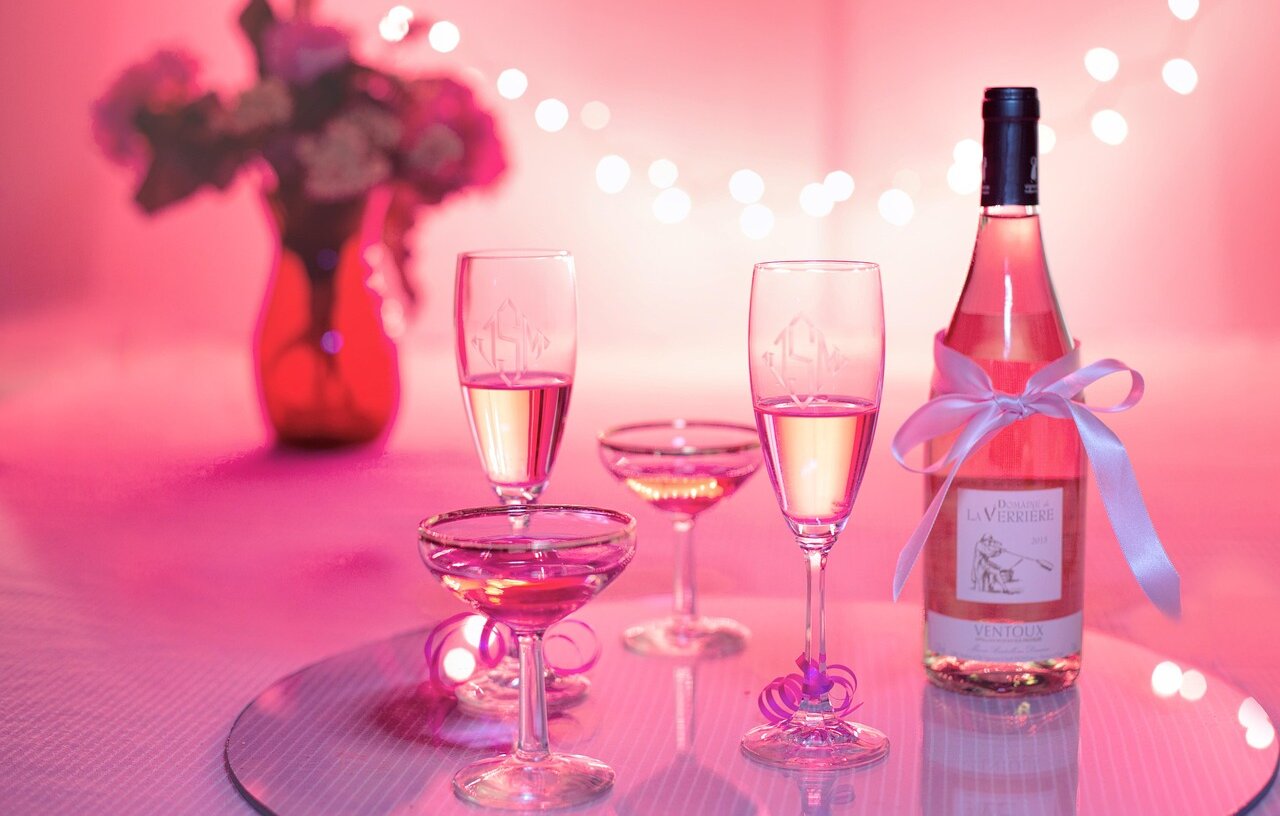
- In summer, the most important quality in a wine is freshness — acidity, lightness, and the ability to drink well cold. Heavy, tannic reds lose their appeal; light, high-acid wines come into their own.
- Dry rosé from Provence is the canonical summer wine for a reason: it handles the full range of summer food (salads, grilled fish, charcuterie, light pasta) without requiring a specific match.
- Whites to seek out in summer: Picpoul de Pinet, Vermentino, Muscadet, dry Riesling, Swiss Chasselas, Grüner Veltliner. All share high acidity, moderate alcohol, and a mineral freshness that reads as refreshing.
- Light, chilled reds work in summer. A Beaujolais Villages or a cru from Fleurie, Morgon, or Moulin-à-Vent — served at 12–14 °C — is one of summer's most underrated pleasures.
Wine preferences shift with the season. Not because wine changes, but because the context does — the warmth in the air, the food on the table, the angle of the light in the glass. The wines that feel right in winter (heavy Barolos, warm Châteauneuf-du-Papes, rich oaked Burgundies) feel wrong in July, not because they are less good but because they are built for different conditions.
Summer wine has one defining quality: freshness. Everything else — grape, region, colour — is secondary to whether the wine refreshes or overwhelms.
What makes a wine feel summery
Three things: acidity, lightness, and the ability to drink well cold. High-acid wines feel alive and refreshing in warm weather; low-acid wines feel flat and heavy. Light-bodied wines don't build up on the palate the way full-bodied ones do — you can drink a glass of Muscadet in the garden and want another; a glass of concentrated Amarone in the same conditions feels like hard work.
Most of the wines on this list have alcohol between 11% and 13.5% — a deliberate feature. High-alcohol wines (14.5%+) are warming rather than refreshing, which is an advantage in winter and a disadvantage in summer.
The summer whites
Muscadet (Loire Valley, France): Bone-dry, mineral, with a flinty freshness that pairs almost perfectly with oysters, shellfish, and simple seafood. The best versions (those labelled Muscadet Sèvre et Maine sur lie) have a subtle creaminess from extended lees aging that adds texture without weight. Arguably the most underrated wine for summer drinking; rarely costs more than CHF 18–22.
Picpoul de Pinet (Languedoc, France): Picpoul translates, roughly, to "lip-stinger" — a reference to the wine's pronounced acidity. Dry, zippy, and light-bodied, it is purpose-built for seafood and sunny weather. One of the best value-for-freshness whites in France.
Vermentino (Sardinia, Corsica, Liguria): Aromatic, crisp, with a slight almond bitterness on the finish. The wines of Sardinia (Vermentino di Gallura) are the most serious expression; Corsican Vermentino adds a herb character from the maquis. Works across grilled fish, salads, and white meat.
Swiss Chasselas (Vaud, Valais): The definitive Swiss summer white. Almost no aroma, very low tannin, crisp acidity, and a stony mineral quality that makes it extraordinarily food-friendly and effortless to drink outdoors. The wines of Lavaux — the UNESCO terraced vineyards above Lac Léman — are the best expressions.
Grüner Veltliner (Austria): A peppery, high-acid white that drinks well with almost all summer food and at a wider range of temperatures than most whites. The "Federspiel" style from the Wachau (lower alcohol, lighter body) is the summer version.
Dry Alsatian Riesling: More aromatic than the other whites here — petrol, blossom, lime — but equally fresh. Pairs with richer summer food (smoked fish, strong cheese, charcuterie) better than lighter whites can. A Riesling from a reliable Alsace producer (Meyer-Fonné, Trimbach, Hugel) reliably over-delivers for the price.
Rosé: the default summer wine
Dry Provence rosé is the canonical summer wine, and the reputation is deserved. The best examples (Château d'Esclans, Miraval, Domaine Ott, Minuty) are genuinely complex wines — dry, mineral, structured — that happen to look beautiful in a summer glass. They handle the full range of summer food without requiring a specific pairing: salads, grilled fish, chicken, charcuterie, light pasta, cheese, and even lighter red meat all work.
For something fuller: Tavel, the only AOC in France dedicated entirely to rosé, produces a darker, richer pink that holds up to more substantial food. Worth seeking out if your summer menu runs to grilled lamb or pork.
Swiss rosé made from Pinot Noir or Gamay in the Valais or Geneva is worth exploring if you haven't — these wines are rarely exported but regularly excellent, and they pair with Swiss summer food (Zürcher Geschnetzeltes, grilled lake fish, charcuterie) with obvious logic.
Light reds, properly chilled
Summer red wine is not a contradiction; it requires only a different approach to temperature. A Beaujolais cru — Fleurie, Morgon, Chiroubles, Moulin-à-Vent — served at 12–14 °C (twenty minutes in the fridge) is one of summer's most underrated pleasures. The Gamay grape in these wines produces a light, high-acid, low-tannin red with cherry and violet character that drinks like a sophisticated lighter version of Pinot Noir.
A Swiss Pinot Noir from the Valais or Graubünden, served slightly chilled, works the same way — and has the advantage of genuine local relevance if you're eating outdoors in Switzerland.
Sparkling for summer
Any quality sparkling wine is a summer wine. The effervescence is refreshing; the acidity is cutting; the occasion-signalling is built in. A quality Crémant d'Alsace Blanc de Blancs (Chardonnay, Champagne method) at CHF 18–25 is one of the best value summer wines available — it drinks like an entry-level Champagne at a third of the price, served cold in the garden.
Tell the sommelier what you're drinking this summer — get a specific recommendation.
Questions we get asked
What is the most refreshing wine for hot weather?
Muscadet — bone-dry, mineral, and light at 11–12% alcohol. Served at 8 °C with oysters or shellfish, it is one of summer's best pairings. Swiss Chasselas from the Vaud is the local equivalent: lighter still, slightly floral, and perfect at an outdoor table.
Is rosé appropriate for the whole summer, or just certain occasions?
The whole summer. A quality dry Provence rosé is versatile enough for aperitifs, light lunches, grilled fish, and evening garden dinners. The key is buying dry: a bone-dry Provence rosé bears no resemblance to the sugary pink wines that gave rosé a bad reputation.
Can I drink red wine in summer?
Yes, with one adjustment: temperature. Light reds — Beaujolais crus, young Pinot Noir, Swiss Gamay — are genuinely better at 12–14 °C in summer. Put the bottle in the fridge for 20 minutes before serving. A lightly chilled Beaujolais with a summer lunch is one of wine's most underrated pleasures.
What Swiss wine is best for summer?
Chasselas from the Vaud — specifically the Lavaux appellation. It is the quintessential Swiss summer white: light, mineral, slightly floral, and designed for outdoor drinking with food. A Lavaux Chasselas served cold alongside lake fish or grilled vegetables is exactly what the wine was made for.