Wine for a Summer BBQ
The BBQ is one of the few occasions where wine genuinely needs to work hard. Smoke, char, fat, and outdoor heat change what a wine needs to deliver.
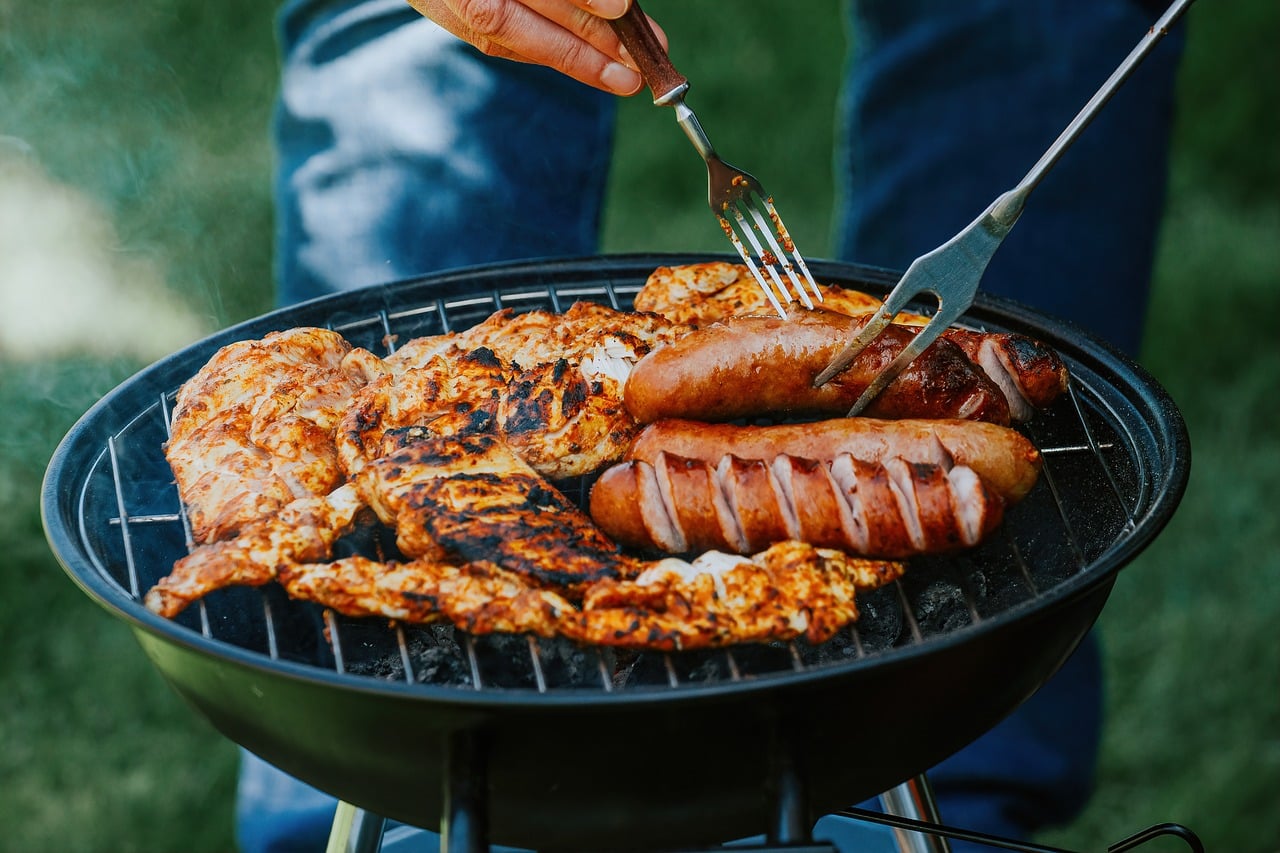
- Grilled meat needs wine with structure — tannin and acidity — to cut through the fat and complement the char. A Grenache-Syrah blend, a Malbec, or a quality Côtes du Rhône are the workhorses of the BBQ.
- Rosé is underrated at a BBQ. A dry Provence rosé or a Tavel handles the full range of grilled food — from chicken to sausages to grilled vegetables — and it stays refreshing in warm weather.
- Avoid very tannic young Bordeaux or Barolo. The char from grilling amplifies tannin, making young structured wines taste harsh and drying.
- For a long outdoor BBQ, buy more than you think you need. Heat, fresh air, and a long afternoon encourage people to drink at a relaxed but sustained pace.
The barbecue is a distinctive wine occasion for two reasons: the food is almost always served outdoors in warm weather, and the cooking method — fire, smoke, char — produces flavours that interact with wine differently than roasting or braising.
Understanding those two factors makes the wine decision significantly easier.
What the fire does to food — and what wine needs to do next
Grilling over fire produces a Maillard crust — the charred, caramelised exterior that gives grilled food its character. This crust is slightly bitter. Wine that is already bitter or very tannic will amplify that bitterness, creating an unpleasant, drying sensation. Wine that has ripe fruit and moderate tannin will complement the char without fighting it.
The fat from grilled meat is the other key variable. Fat needs acidity or tannin to cut through it; without a cutting element, richness accumulates and the wine starts to taste flat. The ideal BBQ red has enough tannin to cut fat, but not so much that it clashes with the charred exterior.
The sweet spot: a medium-to-full-bodied red with ripe fruit, moderate tannin, and solid acidity. Aged for at least two or three years to soften the edges.
The best reds for a BBQ
Grenache-Syrah blends (Côtes du Rhône, Châteauneuf-du-Pape, Gigondas): The most reliable BBQ red category. Grenache brings ripe red fruit and warmth; Syrah adds pepper, structure, and a slight smokiness that echoes the grill. A quality Côtes du Rhône from a serious producer (Château Beaucastel's Coudoulet, Château Rayas's Fonsalette, or a reliable village Gigondas) costs less than CHF 30 and outperforms wines at twice the price for grilled meat.
Malbec (Mendoza, Argentina): Dense, plummy, with lower tannin than Cabernet and significant body. Specifically built for red meat — the grape's original home in Cahors developed alongside duck and game. Modern Mendoza Malbec is generally more polished and fruit-forward than its Cahors ancestor, which makes it more approachable at a casual BBQ.
Zinfandel (California): A BBQ wine by reputation and by design. High alcohol, ripe dark fruit, spice. Works well with ribs, sausages, and anything with a sweet glaze or marinade. Can be overwhelming with delicate food, but the BBQ is not the occasion for delicate food.
Young Tempranillo (Rioja Crianza): Earthy, medium-tannic, with the dried cherry and leather character that suits charred lamb or beef. A Rioja Crianza (two years old, one in oak) hits the price-quality sweet spot for the BBQ.
The case for rosé
A dry rosé is arguably the most versatile wine for a mixed BBQ menu. It handles the full range — from grilled courgettes and salads through chicken and sausages to lighter cuts of pork — without requiring a separate wine for each protein. It is also the most comfortable wine to drink on a warm afternoon outdoors: light enough to refresh, structured enough to complement food.
Buy a Provence rosé (Miraval, Château d'Esclans, Domaine Ott) or a Tavel — the slightly fuller, more structured rosé from the southern Rhône that handles red meat better than a delicate Provence pink. For a Swiss option, a rosé from the Valais made from Pinot Noir or Gamay serves the same purpose with local character.
For white wine and sparkling
White wine works at a BBQ when the food calls for it: grilled fish, shellfish, or a vegetarian spread of grilled vegetables and salads. A crisp, acidic white (Vermentino, Picpoul de Pinet, a dry Riesling) cuts through charred vegetables and grilled fish in the same way that acidity works with rich meat.
A sparkling wine — Crémant, Cava, or quality Prosecco — works well as the opening wine before the grill is ready. It refreshes the guests while the coals heat up, and the transition to still wine as food arrives feels natural.
Practical notes for outdoor drinking
Chill everything more than you think necessary. In warm outdoor temperatures, a wine that arrives at the correct serving temperature will warm quickly in the glass. A red that is served at 14 °C will reach 18–20 °C within fifteen to twenty minutes outside. Either serve cooler than usual, or keep reds in a cool bag between pours.
Buy more than you calculate. Outdoor drinking on a long afternoon is slower-paced but more sustained than indoor entertaining — people graze at the same table for three to four hours, and the pace adds up. For a four-hour BBQ, plan one bottle per two guests, with one spare for every six.
Tell the sommelier what you're grilling — get a specific wine recommendation.
Questions we get asked
What red wine goes best with grilled burgers?
A ripe, medium-to-full-bodied red with soft tannins — Malbec from Mendoza, a Côtes du Rhône Grenache blend, or a quality Californian Zinfandel. The charred, fatty richness of a burger wants a wine with dark fruit and enough body to match without being tannic enough to clash with the acidity of ketchup or relish.
What wine works with a mixed BBQ of fish and meat?
A dry rosé is the most practical single-wine solution for a mixed BBQ. A Provence rosé or a Tavel handles the full spectrum from grilled fish to lamb chops to chicken. Serve it cold and keep it in the ice bucket — it is the most flexible wine you can pour outdoors in summer.
Should wine be served cooler at a BBQ?
Yes. Outdoor temperatures in summer will warm a wine faster than you expect. Serve whites and rosés 2–3 °C cooler than you normally would — they will hit the right temperature by the time they reach the glass. Keep an ice bucket available for whites and rosés. Reds can benefit from 15 minutes in the fridge before serving.
Can I serve Champagne at a BBQ?
Yes — particularly as the opener before the grill is ready. Champagne or quality Crémant served cold while guests arrive is an excellent choice. It pairs well with canapés, charcuterie, and anything light. Once the grill is hot and the main food arrives, switch to rosé or the appropriate red.