What Wine Goes With Steak
Steak and red wine is one of the great pairings in food and wine — but which red wine, at what price, and why? Here's the full answer.
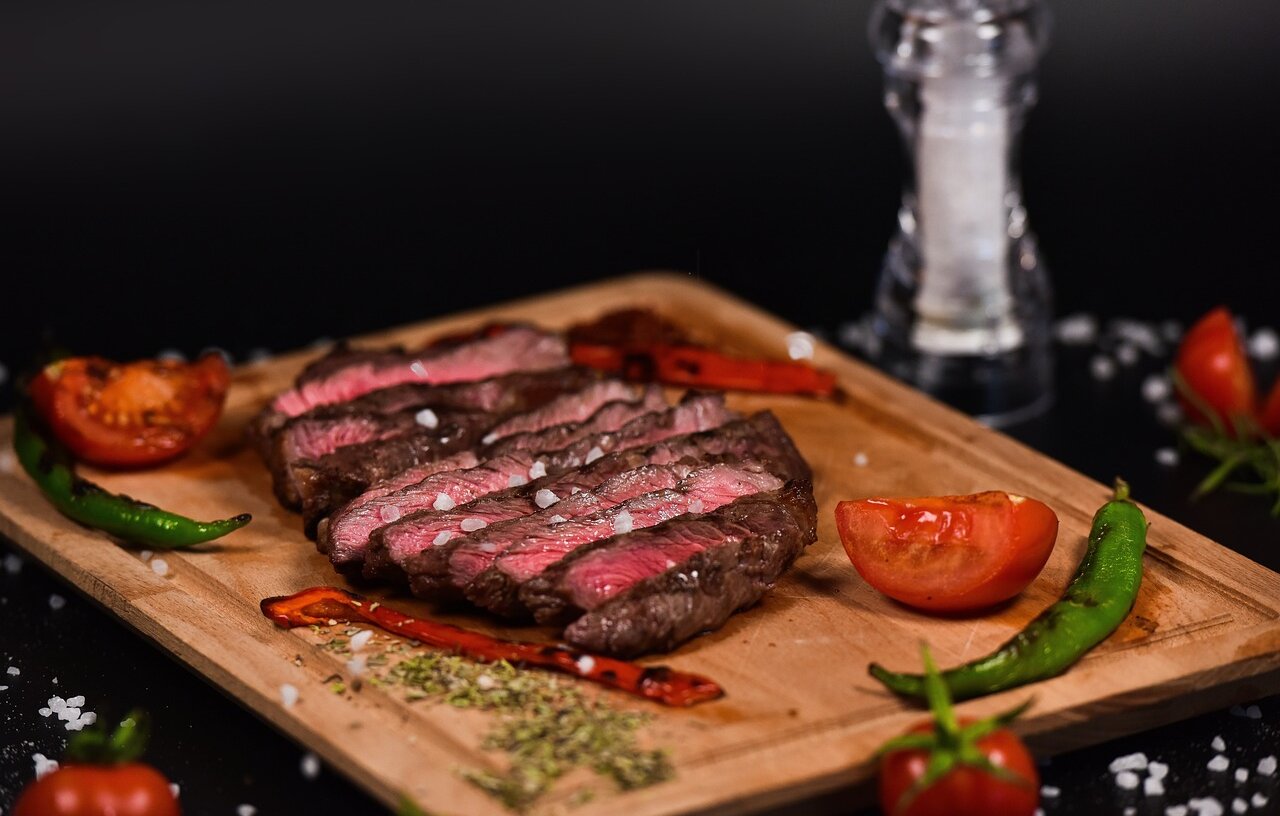
- The fat and protein in steak need tannin to balance them — tannic reds (Cabernet Sauvignon, Barolo, Bordeaux, Malbec) that would feel harsh alone become smooth and rich next to red meat.
- The cut determines the wine: a lean fillet calls for more delicate red (Pinot Noir, lighter Bordeaux) than a fatty ribeye, which can handle Napa Cabernet or Châteauneuf-du-Pape.
- The sauce matters: a pepper sauce or reduction needs a fuller wine; a simple salt-and-char steak is most versatile and allows you to choose anything from medium to full-bodied red.
- Don't fear a South American option: Malbec from Mendoza and Carménère from Chile offer excellent steak partners at very good prices.
Steak is the pairing that vindicates every tannic, difficult, young red wine you've ever opened too early and found harsh. The protein and fat in grilled beef do something genuinely useful to big reds: they soften the tannin, make the wine feel richer, and turn an astringent mouthful into something satisfying and complete. It works in both directions — the wine cuts the fat of the meat, the meat softens the grip of the wine. Few pairings in food and wine are this mutually beneficial.
Why tannin and steak work
Tannin binds to proteins in the mouth — that's what creates the drying, astringent sensation when you drink a young, tannic red on its own. When you eat protein-rich food alongside a tannic wine, the tannins bind to the protein in the food instead of the proteins in your saliva. The astringency softens. The wine tastes rounder. The fat in the meat amplifies the wine's fruit. And the wine's acidity cuts through the fat, refreshing the palate between bites. Both sides of the equation improve.
The cut and what it calls for
Ribeye and entrecôte — the fattiest cuts, the most forgiving. These can handle the biggest reds: Napa Cabernet Sauvignon, Northern Rhône Syrah, Barolo, aged Bordeaux. The fat neutralises tannin so effectively that wines that would be harsh alone become harmonious.
Sirloin and T-bone — the versatile middle ground. A good Bordeaux, a quality Malbec, a Rioja Reserva — all work here without anything feeling excessive.
Fillet/tenderloin — the leanest cut, most delicate in flavour. A very tannic wine can dominate. Here a lighter, more elegant red works better: a good Pinot Noir, a red Burgundy, or a medium-weight Bordeaux. The fillet is about subtlety; match it accordingly.
The classic pairings
Bordeaux — specifically Left Bank Cabernet-dominant blends from the Médoc — is the historical benchmark. The structure of Cabernet Sauvignon, its cassis and cedar character, and its firm tannin are essentially calibrated for red meat. A good Cru Bourgeois Saint-Estèphe at 10–12 years old with a grilled ribeye is one of wine's great pairings.
Malbec from Mendoza — Argentina's great contribution to the steak tradition. Lower tannin than Cabernet, richer in dark plum and violet, and often substantially cheaper. The pairing became famous in Argentine steakhouses for good reason. A quality Mendoza Malbec at CHF 20–35 delivers serious value.
Napa Valley Cabernet Sauvignon — bigger, riper, and more opulent than Bordeaux. Works well with the fattest cuts; can overwhelm a fillet. Best with a well-marbled ribeye or a very dark, charred crust where the Napa fruit can match the intensity.
Barolo and Barbaresco — Nebbiolo's tannin and acidity are formidable; they need a decade of ageing before they soften. With a rich, fatty cut of beef, a properly aged Barolo is one of the great matches in Italian cuisine. Don't open it young.
Northern Rhône Syrah (Crozes-Hermitage, Hermitage) — peppery, structured, and excellent with beef cooked with herbs, or steak with a peppercorn sauce.
The sauce question
A simple, well-seasoned steak with only salt and char allows any of the above pairings. Add a sauce and the equation changes: a rich pepper cream sauce pushes you toward fuller-bodied reds. A red wine reduction (bordelaise) wants a Bordeaux or Merlot. A herb butter keeps the pairing lighter. A chimichurri points toward something with enough freshness to match — a younger, more vibrant wine rather than an aged, complex one.
What doesn't work
Avoid sweet or very fruity wines — they clash with the savoury char. Avoid very light, delicate whites (unless it's a small amount of butter-dressed fillet at a formal dinner where you've already committed to white). And avoid anything too oaky that fights the meat's natural flavour. The wine should complement the steak, not compete with it.
For a bottle matched to your specific cut and cooking method, find the right wine for meat — describe the dinner and get a recommendation from the AI sommelier.
Grilling tonight? Tell the sommelier your cut and budget and we'll find the right bottle.
Questions we get asked
Can you drink white wine with steak?
You can, but it usually doesn't work well. White wine lacks the tannin that steak needs as a counterpart. The exception: a very full-bodied white Burgundy with a lean fillet can work. But for most steaks, red wine is the far better option.
What's the best Malbec for steak under CHF 30?
Catena Zapata's basic Catena Malbec is consistently excellent around CHF 25. Achaval Ferrer's entry-level is reliable. Zuccardi Valle de Uco makes more terroir-driven wines at accessible prices. Argentina has become very efficient at producing good Malbec at moderate prices.
How long before serving should I open the wine?
A young, tannic red benefits from 1–2 hours in a decanter before serving. An older wine needs careful decanting for sediment but shouldn't be left open too long. A wine drunk immediately with steak can simply be poured and allowed to warm in the glass while the meat rests.
What wine goes with steak tartare?
Steak tartare is more delicate than cooked steak. A good Beaujolais (Morgon or Fleurie), a light Pinot Noir, or a bright rosé work very well. Avoid the big tannic reds — they overwhelm raw meat's subtlety.