Wine for a Date Night at Home
Wine for a date night is not about impressing with knowledge. It's about creating an atmosphere. Here's how to choose something that does exactly that.
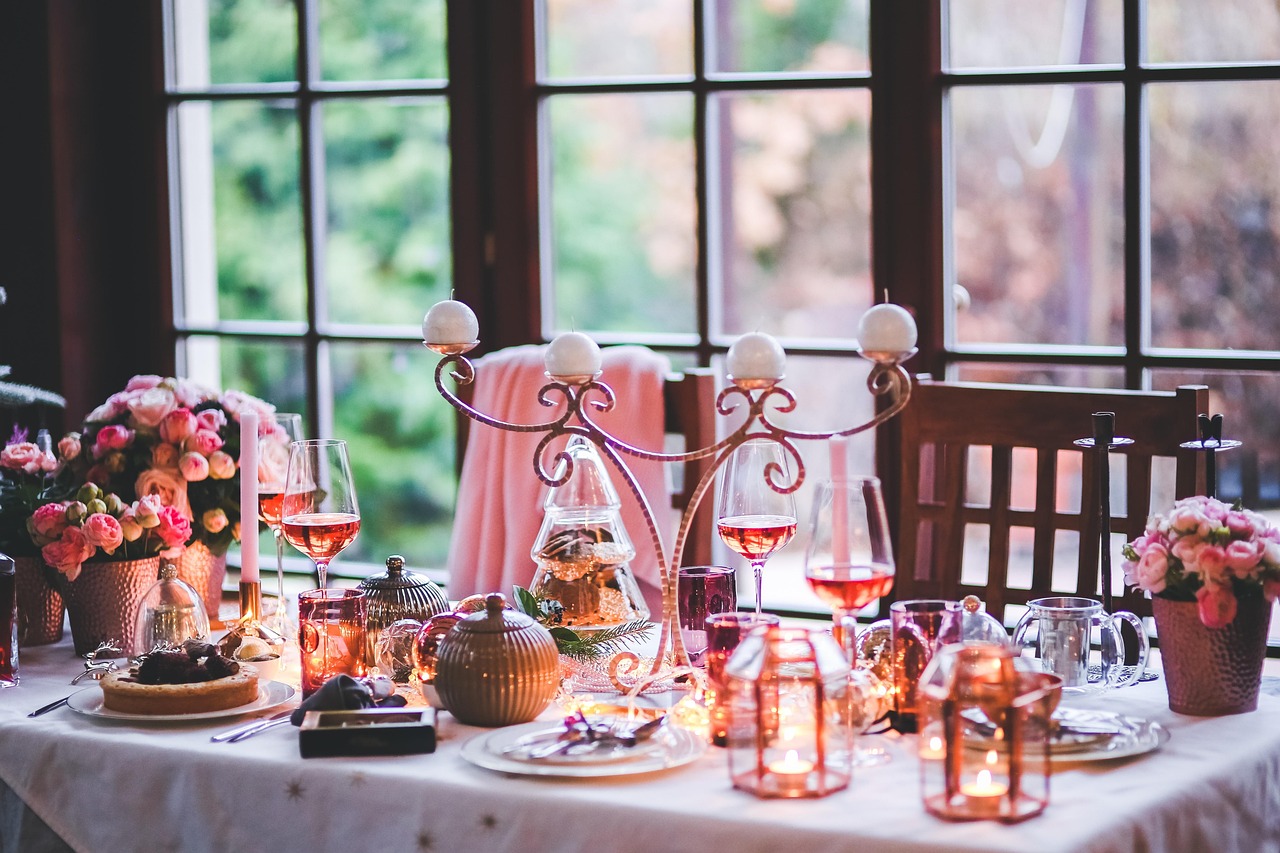
- Two bottles is the right amount for a dinner at home — one to open while cooking, one for the meal. More than that shifts the occasion from enjoyable to effortful.
- Avoid anything too demanding: young tannic reds that need food to drink well, or wines that require explanation to appreciate. A date night wine should be immediately pleasurable.
- The most reliably romantic wine style is a medium-bodied red with elegance — Pinot Noir from Burgundy or the Valais, a quality Barbera or Dolcetto, a young Tempranillo. They're interesting without being difficult.
- Temperature matters more than label. A good Pinot Noir at 14–15 °C (fifteen minutes in the fridge before serving) is better than the same wine at 22 °C room temperature.
Wine for a date night carries a slightly different brief from wine for a dinner party. The audience is smaller, the stakes feel higher, and the goal is not to demonstrate knowledge or impress with range — it is to create an atmosphere in which the conversation feels easy and the evening feels considered.
The choice of wine should serve that goal. Anything that requires an explanation to be enjoyed works against it.
How much to buy
Two bottles. One to open while cooking or before the meal — something light, refreshing, easy to drink without food — and one to carry through the meal itself. This is a comfortable, unhurried amount for two people over three or four hours. A third bottle is available if the evening calls for it; if not, it keeps.
A sparkling wine is the natural opener for an occasion that should feel special. It signals intention without requiring explanation. A quality Crémant d'Alsace, a grower Champagne, or a Swiss sparkling white from the Vaud — something with precision and freshness — does this job beautifully. Thirty to forty-five minutes of bubbles before the meal sets the right tone.
The main wine: what works
The main bottle should be immediately pleasurable — drinkable on its own, pleasurable with food, and interesting enough to generate at least one observation during the meal. The category that consistently delivers this is medium-bodied reds with elegance rather than power.
Pinot Noir is the canonical date-night red. It is light enough to drink across a wide range of food (fish, poultry, pasta, light meat), but structured enough to feel like a considered choice rather than a neutral one. The best options in this context: a village Burgundy from a serious producer (Gevrey-Chambertin, Chambolle-Musigny, Volnay), a quality Pinot Noir from the Valais (Provins, Cave de Genève), or an Oregon Pinot that shows the same elegant character. Serve at 14–15 °C.
Barbera d'Asti or Dolcetto d'Alba from Piedmont — softer, fruitier, and more immediately generous than Barolo or Barbaresco. High acidity, low tannin, deeply satisfying with pasta, pizza, or simple meat dishes. Less known than Chianti, which makes it feel more thoughtful.
A quality rosé is often underestimated in this context. A serious Bandol rosé, a Tavel, or a Côtes de Provence from a serious estate (Château d'Esclans, Minuty, Miraval) is a genuinely elegant wine — dry, mineral, complex — that works across a summer menu from aperitif through dessert.
For white wine: a quality Alsatian Pinot Gris or a top Vouvray Demi-Sec brings richness and interest without the seriousness of a grand white Burgundy. If the meal leans toward fish or seafood, a Sancerre or a white Burgundy from a reliable producer (Mâcon-Villages or a village Pouilly-Fuissé) is the safe excellent choice.
What to avoid
Young, tannic reds that need food and time to open up — a Barolo or a serious Pauillac drunk young will be austere and ungiving, which creates the wrong atmosphere. If you love Barolo, drink it with a long-braised dish where the time and the food can meet the wine where it is.
Anything that requires an introduction to be appreciated. The wine should work without the context. Save the amphora-aged Georgian Rkatsiteli for the wine enthusiast friend; a date night is not the moment for a learning experience.
Very alcoholic wines (above 14.5% ABV) tend to be heavy and warming — fine in winter, but fatiguing over the course of a long dinner. A wine in the 12–13.5% range is lighter on its feet and more pleasant to drink across an evening.
The small details that matter
Temperature: serve whites and rosés properly chilled (8–10 °C), not ice-cold. Serve reds cooler than room temperature — fifteen minutes in the fridge before opening takes a 22 °C room-temperature wine to the 14–16 °C where it tastes its best.
Glassware: a larger, rounder glass improves every wine. You don't need to own a full set of varietal-specific glasses; two reasonably sized all-purpose wine glasses are enough to make the occasion feel complete.
Decanting: most young to mid-aged reds benefit from thirty minutes in a decanter. It softens tannins and opens up aromas. A simple 30-minute decant turns a good wine into a noticeably better one with almost no effort.
If you'd rather have an expert help you choose, ask the AI sommelier — describe the evening, the food, and the budget, and get the right bottle in minutes.
Tell the sommelier what you're cooking — get a wine that sets the right tone.
Questions we get asked
Is Champagne too much for a date night at home?
Not at all — but it doesn't need to be expensive Champagne. A quality Crémant d'Alsace or a Swiss sparkling wine at CHF 20–25 opens a date night beautifully. The ritual of the cork, the cold glass, the bubble — these things work regardless of the label. Save the grand Champagne for a bigger occasion; the Crémant does exactly the same job.
What wine works with a home-cooked dinner for two?
Depends on what you're cooking. For pasta or risotto: a Barbera d'Asti or a quality Chianti. For fish: a good Chablis or a mineral Sancerre. For red meat: whatever you and your guest genuinely enjoy — a date night is not the moment for an experimental wine. For something you're unsure about: a high-quality rosé handles almost any food.
Should I decant the wine for a date night?
If you're serving a young red, yes — thirty minutes in a simple decanter opens up aromas and softens tannins noticeably. It also looks considered and adds a small ceremony to the evening. Avoid decanting very old wines without knowing what you're doing — fragile old bottles can fade quickly once open.
What wine makes a good gift for a date night?
Something with a story — a wine from a region you've visited, a producer you know, or a style that suits an occasion you've shared. A small-producer Champagne, a single-vineyard bottle, or a wine you've tasted together and want to revisit are all more interesting than a well-known label chosen by recognition alone.