Pinot Grigio / Pinot Gris, Explained
Pinot Grigio and Pinot Gris are the same grape — but the wines they produce are so different they seem unrelated. Understanding why explains one of wine's most instructive lessons.
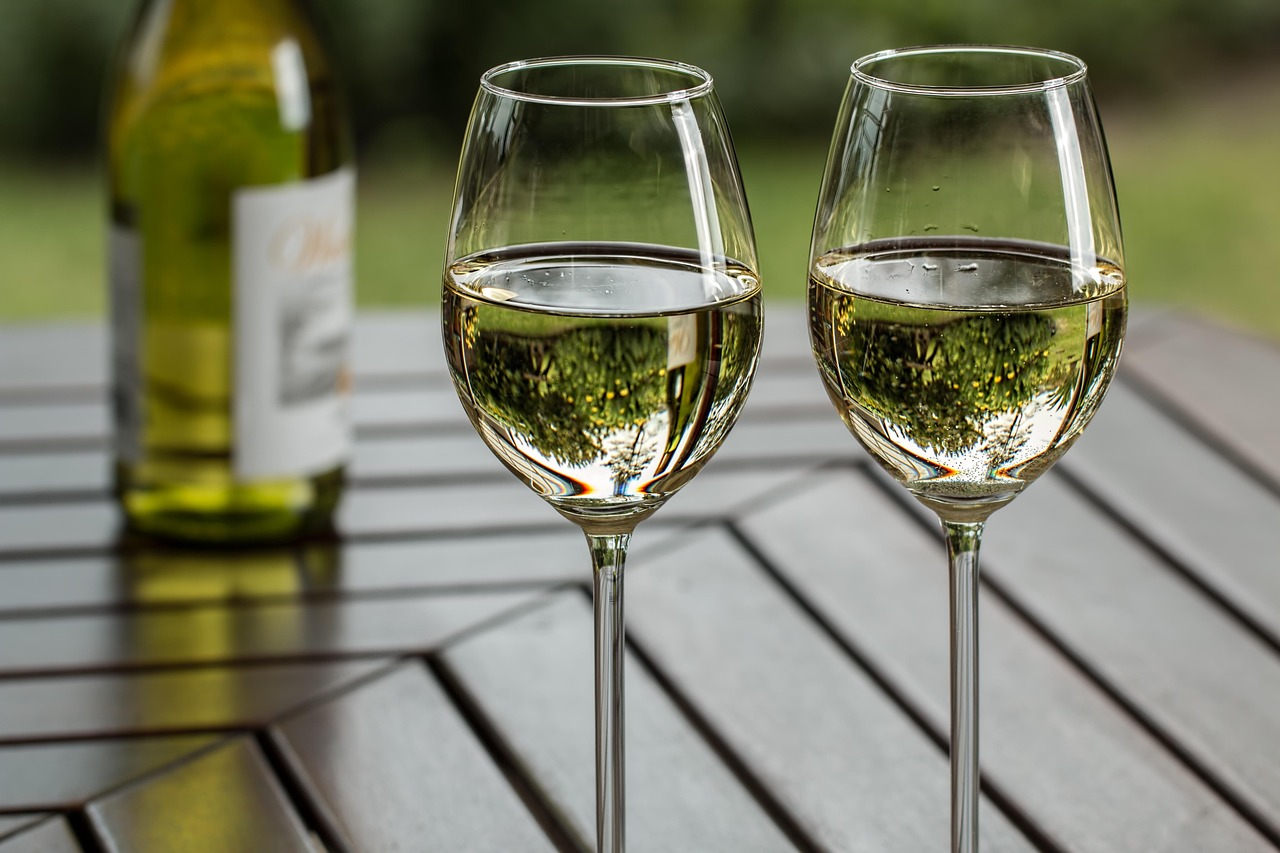
- Pinot Grigio (Italian style) and Pinot Gris (Alsatian/French style) are genetically identical. The difference is entirely in how and where the grape is grown and vinified.
- Italian Pinot Grigio is made for freshness and easy drinking: pale, light, crisp, with neutral lemon and white flower character. Alsatian Pinot Gris is rich, aromatic, and often off-dry — more similar to a light red wine in texture.
- The best Italian Pinot Grigio comes from the northern regions: Alto Adige (South Tyrol), Friuli, and Trentino. These mountain-influenced regions preserve the acidity and freshness the variety needs.
- If you find Italian Pinot Grigio bland, try Alsatian Pinot Gris — it is the same grape in an entirely different register and may convert you to the variety entirely.
The same grape. Two names. Two countries with radically different ideas about what to do with it. The result is a lesson in how fundamentally winemaking philosophy shapes the wine in the glass — more than the grape, more than the appellation, almost more than anything else.
The grape
Pinot Gris (its French name, used in Alsace and in the English-speaking wine world when referring to the Alsatian style) and Pinot Grigio (Italian) is a colour mutation of Pinot Noir. The berries are not green like most white wine grapes but pink-grey — hence gris(grey in French) and grigio (grey in Italian). The grape's skin contains more colour compounds than most white varieties, which is why the wine can range from pale gold to deep amber depending on how long the juice has contact with the skins.
Italian Pinot Grigio
Italian Pinot Grigio, as most people encounter it, is a light, crisp, pale white wine with neutral character: lemon, white flowers, and a clean, refreshing finish. It is one of the most commercially successful wine styles in the world, made to be easy to drink, easy to pair with food, and unlikely to divide opinion.
The problem with most Pinot Grigio is that it is produced from high-yielding vines in warm regions, rushed through production, and bottled as young as possible — resulting in a wine with no faults and no personality. At this level, it is the wine equivalent of sparkling water: refreshing, inoffensive, and unmemorable.
Quality Italian Pinot Grigio looks and tastes very different. The northern regions of Alto Adige (South Tyrol), Friuli-Venezia Giulia, and Trentino benefit from cool alpine climates that produce Pinot Grigio with genuine acidity, mineral precision, and aromatic clarity. The best producers — Elena Walch, Jermann, Marco Felluga — make wines with depth and complexity that have nothing in common with supermarket Pinot Grigio beyond the name.
Alsatian Pinot Gris
Alsace's Pinot Gris is an entirely different proposition. The region's dry, warm climate (protected by the Vosges mountains) allows the grape to ripen fully, producing wines with high alcohol, substantial body, and a rich, aromatic character — honey, ginger, smoke, dried apricot, and a waxy texture. Many Alsatian Pinot Gris have a touch of residual sweetness that balances the richness; grand cru and vendange tardive (late harvest) expressions can be significantly sweet.
Alsatian Pinot Gris occupies a curious position: it is a white wine that pairs like a light red. Its weight and richness make it the right partner for foie gras, smoked meats, rich charcuterie, and dishes with earthy, truffle-inflected sauces. It is genuinely unusual among white wines — and among the most distinctive expressions of any variety produced in France.
Oregon: the third style
Oregon has made Pinot Gris its signature white, producing a style that sits between the Italian and Alsatian expressions: rounder and more textural than light Italian Grigio, but drier and less aromatic than Alsace. The best Oregon examples from the Willamette Valley show spice, melon, and a satisfying weight — an accessible alternative for drinkers who find the Alsatian style overwhelming.
Tell the sommelier what you enjoy — get a Pinot Grigio or Gris recommendation.
Questions we get asked
Is Pinot Grigio the same as Pinot Gris?
Yes — genetically identical. Pinot Grigio is the Italian name; Pinot Gris is the French (and increasingly international) name. The grape is the same; the style differs significantly. Italian Pinot Grigio tends toward light, neutral, and crisp. Alsatian Pinot Gris is rich, full-bodied, and sometimes off-dry with exotic spice character.
Why does most Pinot Grigio taste so bland?
Commercial Pinot Grigio is produced from high-yielding vines in warm regions, rushed through production for early release. High yields dilute flavour; warm temperatures remove acidity; speed prevents complexity. This is a production choice, not an inherent quality of the grape — serious Alto Adige Pinot Grigio is a completely different wine.
What food pairs with Pinot Grigio?
Italian Pinot Grigio's light body and neutral character make it ideal with delicate food: white fish, seafood, light pasta, and salads. Alsatian Pinot Gris pairs with richer food: roast pork, foie gras, Alsatian choucroute, and strongly flavoured cheese. The pairing question depends entirely on which style you're drinking.
What is the best Pinot Grigio to buy?
For the best Italian Pinot Grigio, look for DOC or DOCG wines from Alto Adige (Südtirol) or Friuli-Venezia Giulia — particularly from producers like Elena Walch, Alois Lageder, or Livio Felluga. For the fuller Alsatian style, look for Pinot Gris from Hugel, Trimbach, or Zind-Humbrecht.