Chardonnay, Explained
Chardonnay is the world's most widely planted white grape and the most stylistically diverse. The key to navigating it is understanding that the grape itself is almost neutral — the winemaker's choices define everything.
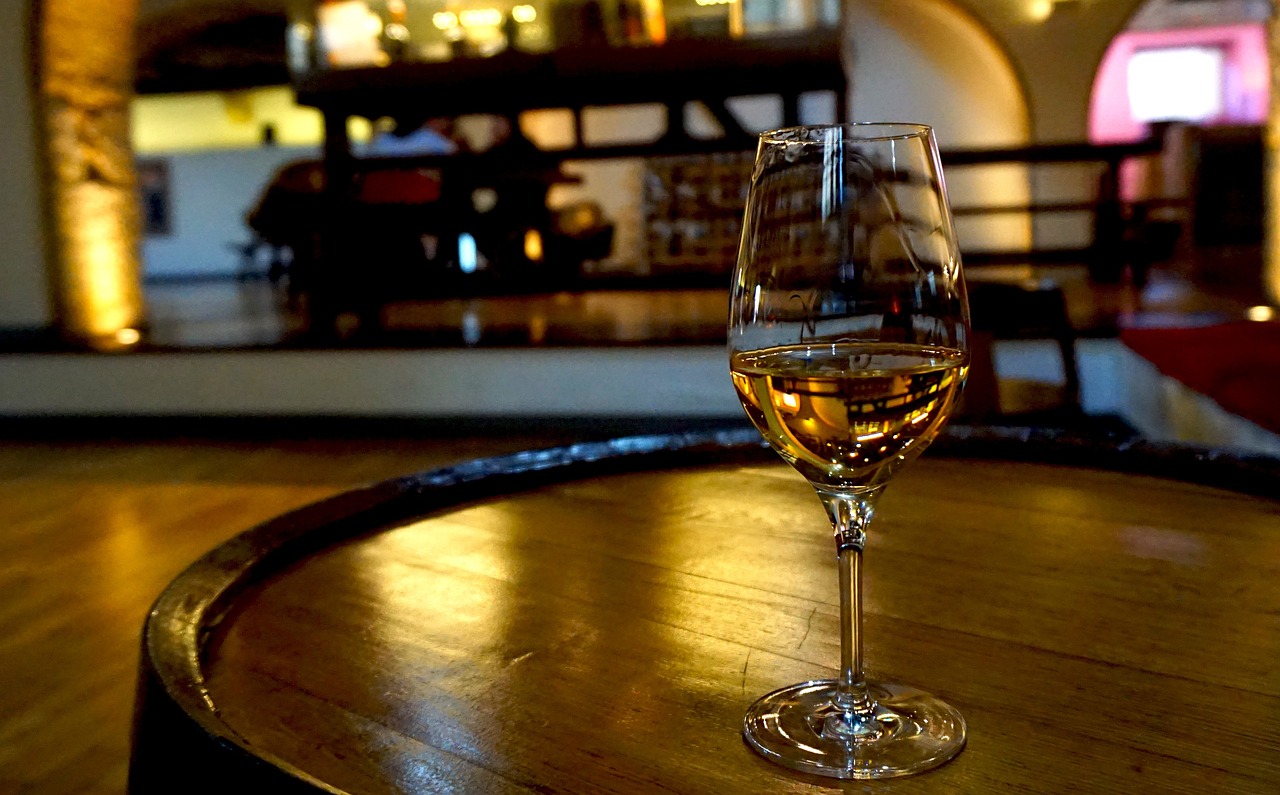
- Chardonnay's flavour is shaped more by winemaking than by any other white variety. Oak aging and malolactic fermentation produce the rich, buttery, vanilla-inflected style. Unoaked Chardonnay is lean, citrusy, and mineral — almost unrecognisable as the same grape.
- Chablis (northern Burgundy) is the clearest expression of unoaked Chardonnay: steely, mineral, and austere with green apple and oyster shell character. The opposite pole is a full-bodied, oaked Napa Valley Chardonnay.
- The Côte de Beaune (Meursault, Puligny-Montrachet, Chassagne-Montrachet) is the heartland of complex oaked Chardonnay — the wines that define fine white Burgundy.
- If you find 'big oaky Chardonnay' difficult, try Chablis premier cru, a Mâcon-Villages, or a white Burgundy from a quality producer who uses restrained oak. The grape is versatile enough to produce a wine you'll love.
Chardonnay is the grape behind Chablis, Meursault, Puligny-Montrachet, white Burgundy at every level, Champagne's blanc de blancs, and most of the world's premium white wine. It is also the grape behind a great deal of over-oaked, over-alcoholic, butter-bomb white wine that has put off a generation of drinkers. Both outcomes come from the same variety — and understanding why explains more about how winemaking works than almost any other example in wine.
The grape's character
Chardonnay is one of the most neutral of the major white varieties. Where Sauvignon Blanc has an unmistakable aromatic profile regardless of where it's grown, or Riesling's acidity and petrol character marks it distinctly, Chardonnay is relatively transparent — a canvas on which climate, soil, and winemaking choices paint the final picture.
In cool climates, unoaked and without winemaking intervention, Chardonnay produces lean, high-acid wines with green apple, lemon, and chalk character. In warm climates, with generous oak aging and full malolactic fermentation (a process that converts tart malic acid to softer lactic acid), it produces rich, full, creamy wines with vanilla, tropical fruit, and toasted oak. Both are Chardonnay; they seem like entirely different wines.
Chablis: the unoaked benchmark
Chablis, in northern Burgundy, is planted on Kimmeridgian limestone — the same geological formation that runs under the English Channel. The cool climate and chalky soil produce a Chardonnay that is austere, steely, and intensely mineral, with green apple, lemon zest, and a distinctive oyster shell quality that wine writers attribute to the marine fossils embedded in the local limestone.
The best Chablis — premier and grand cru — are aged in steel tanks with minimal or no oak influence. The result is a wine that expresses terroir rather than winemaking, and that pairs with extraordinary precision with seafood, particularly oysters, scallops, and white fish.
The Côte de Beaune: oaked complexity
Moving south to the Côte de Beaune, the style changes completely. Meursault, Puligny- Montrachet, and Chassagne-Montrachet produce white Burgundy on different limestone soils with a warmer climate, often with varying degrees of oak aging. The wines here are richer and more complex — the minerals are still present but integrated with hazelnut, toasted bread, white peach, and honey. Great white Burgundy from these villages, aged for five to ten years, is among the most complex and long-lived white wine produced anywhere.
The grand crus of the Côte de Beaune — Montrachet, Chevalier-Montrachet, Bâtard-Montrachet — are considered the pinnacle of white wine globally, with prices to match.
Chardonnay in the New World
California's Napa and Sonoma regions produce the fullest-bodied expressions of Chardonnay — tropical fruit, butter, vanilla, and high alcohol. The style that dominated in the 1990s and early 2000s is now being moderated: a new generation of California winemakers produces leaner, more restrained Chardonnay that owes more to Burgundy than to the traditional California approach.
Australia's Margaret River and Yarra Valley produce some of the world's most compelling Chardonnay outside France — with European restraint applied to New World fruit. New Zealand's Hawke's Bay and Gisborne regions produce a riper, more generous style.
Food pairing
Unoaked, lean Chardonnay (Chablis, Mâcon) is ideal with shellfish, white fish, and light cream sauces. Richer, oaked Chardonnay pairs with lobster, roast chicken, crab, and dishes with butter or cream components. The grape's natural versatility — and the width of the style spectrum — makes it one of the easiest white wines to match with food.
Tell the sommelier which Chardonnay style you prefer — get a specific recommendation.
Questions we get asked
Why do some Chardonnays taste buttery and others taste crisp?
The difference is winemaking. Malolactic fermentation (converting tart malic acid to softer lactic acid) and lees ageing with stirring produce the buttery, creamy quality. Chablis undergoes malolactic fermentation but minimal lees stirring — round but not buttery. California Chardonnay with full malolactic and new oak can be aggressively rich.
What is Chablis and why is it different?
Chablis is Chardonnay grown on Kimmeridgian limestone in northern Burgundy, fermented in steel tanks with no new oak. The result is the leanest, most mineral expression of the grape: steely, citrusy, with a distinctive oyster-shell character. It is the clearest argument that Chardonnay's character comes from where it grows, not just how it is made.
What food pairs best with Chardonnay?
Unoaked, lean Chardonnay (Chablis, Mâcon) pairs with shellfish — particularly oysters and scallops — and delicate white fish. Oaked, fuller styles (white Burgundy, Californian) pair with lobster, roast chicken, cream-based pasta, and richer fish preparations. The rule: match the weight of the wine to the weight of the food.
Is New World Chardonnay lower quality than Burgundy?
No. The best Chardonnay from Australia's Margaret River and Yarra Valley, California's best producers, and New Zealand's cooler regions compete seriously with village-level white Burgundy. Grand Cru and Premier Cru Burgundy occupy a different category — but that's price and scarcity as much as quality.