The Rhône Valley, Explained
The Rhône runs from the Swiss Alps to the Mediterranean and carries some of France's most distinctive wines with it. Northern and Southern are almost two different worlds.
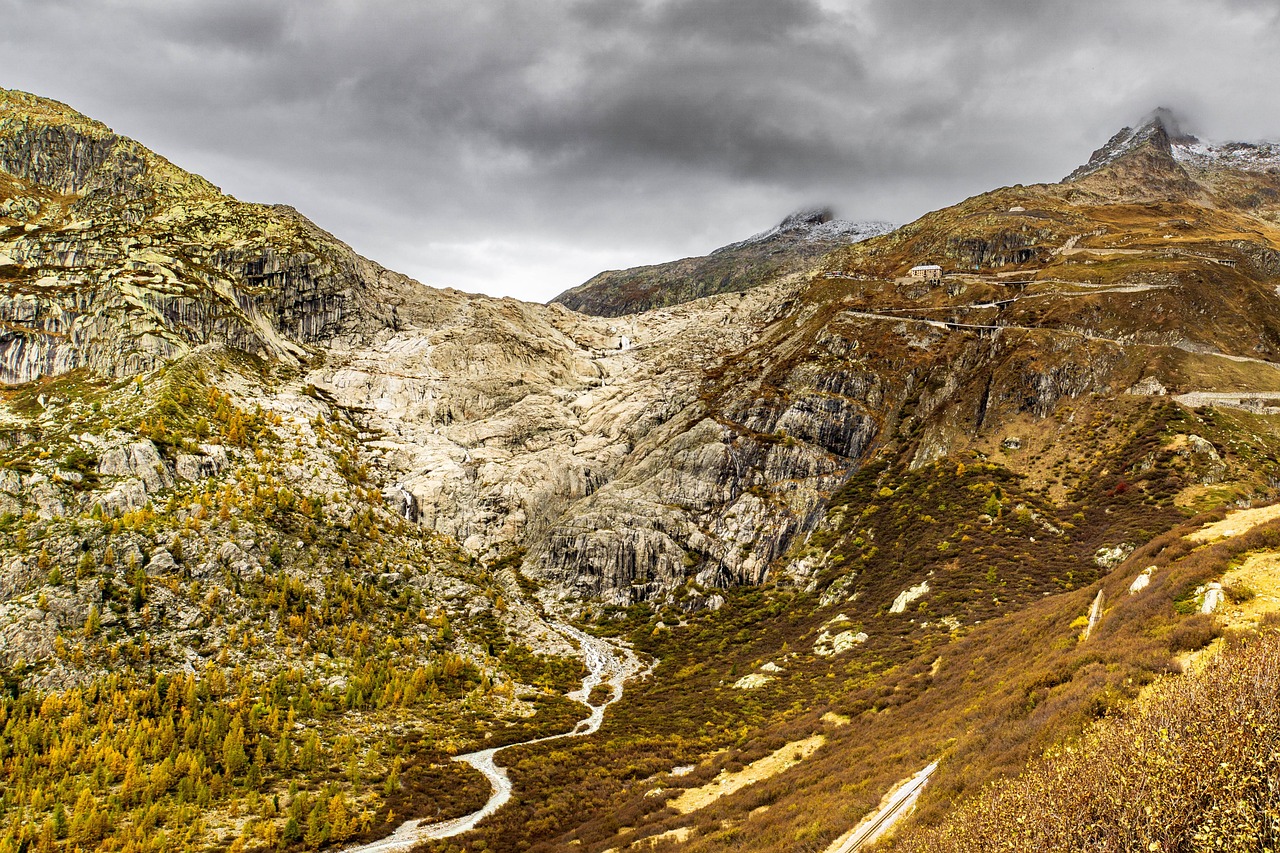
- The Northern Rhône (Côte-Rôtie, Hermitage, Crozes-Hermitage) is Syrah country — powerful, peppery, structured. The Southern Rhône (Châteauneuf-du-Pape, Gigondas) blends up to 18 varieties and produces riper, more generous wines.
- Viognier is the sole white grape of the Northern Rhône appellations Condrieu and Château-Grillet — lush, floral, apricot-scented, and unlike almost anything else in France.
- Châteauneuf-du-Pape is legally permitted to use up to 18 grape varieties, though most serious estates rely primarily on Grenache, Mourvèdre, and Syrah.
- Value exists at every level: Crozes-Hermitage delivers Northern Rhône character for a fraction of Hermitage prices; Costières de Nîmes and Ventoux offer ripe Southern Rhône fruit at entry-level CHF.
The Rhône Valley is not a single wine region — it is two distinct wine cultures separated by a 70-kilometre gap of olive groves and lavender fields. The Northern Rhône, with its steep granite slopes and cool continental climate, produces some of the world's most structured Syrah and some of France's most remarkable white wines. The Southern Rhône, broader and warmer, turns out blends of Grenache, Mourvèdre, and Syrah that are richer, more plush, and built for the sun-drenched cuisine of Provence. Both are essential. Neither is better than the other — they are answers to different questions.
The Northern Rhône: granite and Syrah
From Vienne south to Valence, the Rhône cuts through a narrow corridor of granite that produces six key appellations. At the top of the quality pyramid sit Côte-Rôtie and Hermitage — both capable of producing wines that age for 20 to 40 years. Côte-Rôtie (the "roasted slope") faces south and southwest; its best wines, from the Côte Brune and Côte Blonde sectors, combine dark fruit with a characteristic violet-and-olive savouriness. Hermitage, across the river near Tain-l'Hermitage, tends toward even greater density — wines from Chapoutier, Jaboulet, and Chave have been known to outlast the people who cellared them.
Between these peaks, Crozes-Hermitage and Saint-Joseph offer genuine Northern Rhône character at more approachable prices. A Crozes-Hermitage from Alain Graillot or Domaine du Murinais, at eight to twelve years old, delivers the Hermitage character at perhaps a fifth of the price. This is where the region offers its best value-for-CHF ratio.
Cornas — south of Hermitage, 100% Syrah, more rustic and tannic in youth — is the dark horse of the Northern Rhône. At ten years old, wines from Auguste Clape or Domaine Courbis begin to reveal a brooding complexity that rivals wines twice their price.
The white wines of the Northern Rhône
Condrieu is one of the world's great white wine appellations, and one of the least known outside France. Made from 100% Viognier on steep granite terraces, it produces wines of extraordinary floral intensity — white peach, apricot, orange blossom, jasmine — with a texture that feels almost oily. It's not a wine to cellar; drink within 3–5 years while the aromatics are intact. Guigal, Gangloff, and Georges Vernay are the reference producers.
On Hermitage and Saint-Joseph, Marsanne and Roussanne make dry whites of genuine complexity — dense, waxy, and capable of ageing 15–20 years in the best hands. Young, they can seem almost flat; with age, they develop a golden richness and honeyed weight that has no parallel in France.
The Southern Rhône: sun, Grenache, and blending
Châteauneuf-du-Pape is the Southern Rhône's most famous name — a wide, hot plateau north of Avignon covered in the distinctive large rounded stones (galets roulés) that retain heat and reflect it back onto the vines at night. Up to 18 grape varieties are legally permitted, though Grenache dominates most blends. The wines are typically high in alcohol (13.5–15.5%), rich in fruit, warm in texture, and capable of ageing a decade or more. Château Beaucastel (known for its high Mourvèdre content), Château Rayas (100% Grenache, rarely seen), and Clos des Papes are the benchmark estates.
Gigondas and Vacqueyras, immediately to the east, produce similar styles at lower prices. A Gigondas from Domaine du Grapillon d'Or or Les Goubert offers the Châteauneuf experience at perhaps 40–50% of the price. These are the Southern Rhône's best-kept secrets.
For everyday drinking, Côtes du Rhône and Côtes du Rhône Villages cover a vast area producing fruit-forward reds that are among the most reliably pleasant wines in France at their price point. Look for village-designated bottles (Sablet, Cairanne, Séguret) for more definition.
The Rhône rosés
Tavel, across the river from Châteauneuf, is France's only appellation producing solely rosé — and it looks and tastes nothing like Provence. Tavel is copper-pink to pale orange, structured, high in alcohol, and capable of ageing 3–5 years. It is serious rosé in a way that the pale salmon of Provence is not. Pair with charcuterie, lamb, and dishes that would normally demand a light red.
What to start with
If you're new to the Rhône: a Crozes-Hermitage rouge (Syrah, Northern character, reasonable price) is the best starting point for red. For a glimpse of the South at low outlay, a Côtes du Rhône Villages from Cairanne or Séguret. For the whites: a Condrieu if your budget allows it — it is a wine unlike anything else you will taste.
Looking for a Rhône recommendation? Tell the sommelier whether you prefer the Northern Rhône's pepper and structure or the Southern Rhône's warmth and generosity.
Questions we get asked
What makes Northern Rhône Syrah different from Australian Shiraz?
Climate, site, and philosophy. Northern Rhône Syrah is grown on steep, cool granite slopes — the wines are leaner, more peppery (rotundone, the compound responsible for black pepper aroma, develops more in cool climates), and built for ageing. Australian Shiraz is grown in warmer, broader conditions, producing riper, richer, more plush wines with more alcohol and less of the savoury, olive-and-pepper quality. Neither is superior — they are different expressions of the same grape.
How long do Châteauneuf-du-Pape wines age?
Entry-level: 5–8 years is the sweet spot. Serious estate wines (Beaucastel, Rayas, Bonneau) can age 15–25 years or more in great vintages. The challenge is that Grenache-dominant wines can lose their fruit relatively quickly if the fruit wasn't there to begin with — buy quality producers in good years (2007, 2010, 2016, 2019 are all excellent southern vintages) rather than betting on a weak vintage from a famous name.
What food pairs best with Northern Rhône Syrah?
Lamb above all — the peppery, olive savouriness of Northern Rhône Syrah is one of the great food-wine matches. After that: beef, game, venison, duck confit, anything with tapenade or olive oil. A Crozes-Hermitage at ten years old with a slow-braised lamb shoulder is one of the most satisfying meals the Rhône Valley has to offer.
Is Coudoulet de Beaucastel worth buying?
Yes, consistently. Coudoulet is the second wine of Château Beaucastel — vineyards just outside the Châteauneuf appellation boundary, same farming philosophy (biodynamic), same team. It's typically 30–40% of the grand vin's price with perhaps 70% of its quality and ageing potential. It's one of the most reliable value propositions in the Southern Rhône.