How Red Wine Is Made
Red wine's colour, tannin, and structure all come from one thing: the grape skins. Understanding how skin contact works explains everything else about how red wine is made.
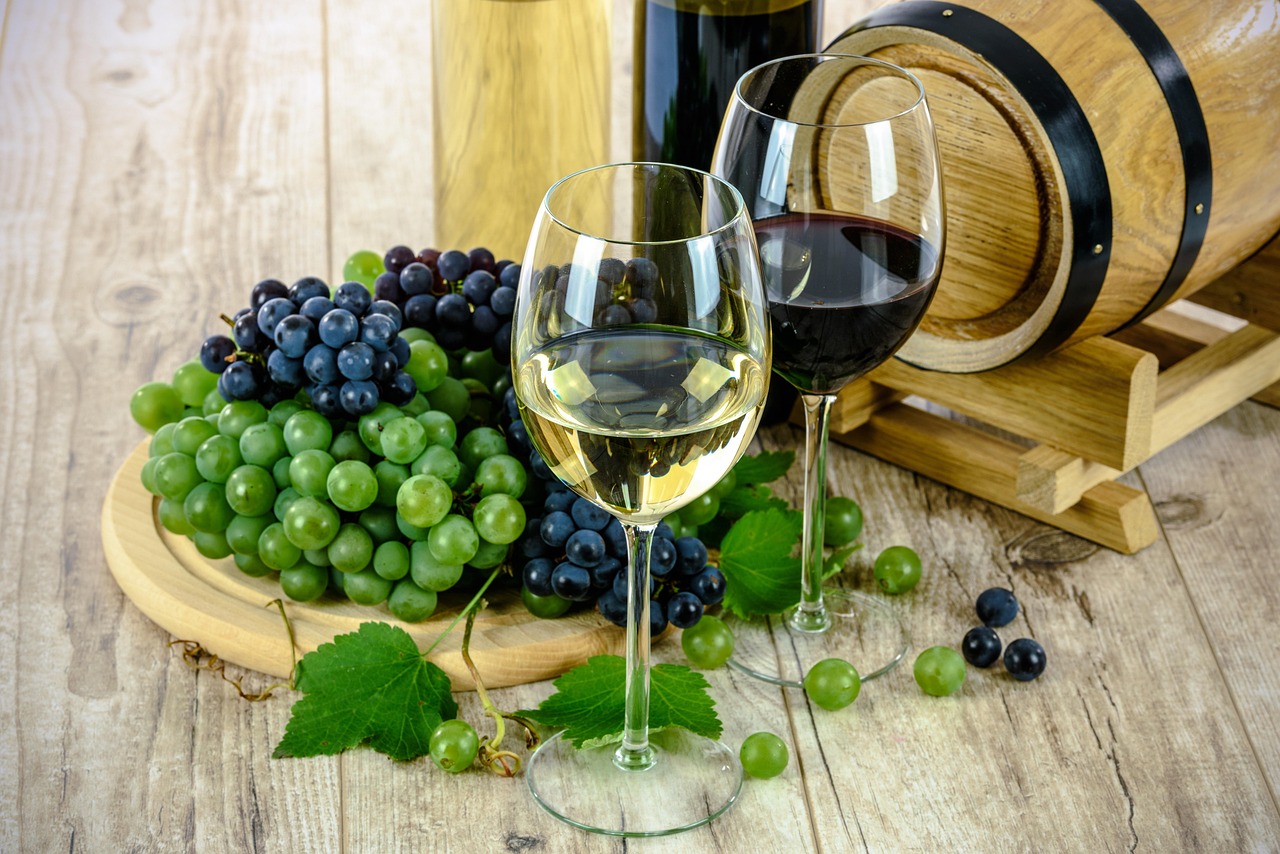
- Red wine gets its colour and tannin from grape skins — the juice of even red grapes is pale without skin contact.
- Maceration (skin contact during fermentation) extracts colour, tannin, and flavour compounds. The length and style of maceration is the most important variable in red winemaking.
- Malolactic fermentation ('the second fermentation') converts sharp malic acid to softer lactic acid — it's standard for most reds and gives them their rounded, creamy quality.
- Oak ageing adds vanilla and spice notes, helps stabilise colour, and gradually introduces oxygen that softens tannins.
The most striking thing about red wine is that the juice inside a red grape is, in most cases, colourless. Pinot Noir juice, freshly pressed, is pale gold. The red colour, the grippy tannins, the structure — all of these come from the skins. Red winemaking, at its core, is the science of extracting what you want from the skins and leaving behind what you don't.
Harvest and sorting
Harvest timing is the first critical decision. Pick too early and the grapes are under-ripe — thin fruit, high acidity, green tannins that taste harsh. Pick too late and they're over-ripe — alcoholic, jammy, flat, losing the structural backbone that makes a wine interesting over time.
After harvest, grapes go to a sorting table where damaged, unripe, or rotten bunches are removed. At quality-focused producers, this is done by hand; at larger operations, optical sorters use cameras and air jets to reject individual berries that don't meet specification.
Destemming and crushing
Most red grapes are destemmed — the berries separated from the stalks — before fermentation. Stalks contain harsh, green-tasting tannins that would make most red wines unpleasant unless handled carefully. However, some winemakers use partial or total whole-bunch fermentation (stalks included), which, with ripe stems, can add spice and structure. This is common in Burgundy (Pinot Noir) and the northern Rhône (Syrah/Grenache).
After destemming, the berries may be crushed (breaking the skin) or left whole. Some producers use a technique called carbonic maceration — whole uncrushed berries ferment from the inside out, producing light, fresh wines with minimal tannin. This is the method behind Beaujolais Nouveau.
Maceration and fermentation
This is the defining stage of red winemaking. The crushed grape material — skins, juice, and seeds — is transferred to a fermentation vessel (traditionally a concrete or wooden vat, now often stainless steel). Yeast (wild or cultivated) converts the sugars to alcohol.
While fermentation is happening, the skins float to the surface and form a cap. The winemaker must decide how to manage this cap — and how to extract compounds from the skins into the juice. The two main techniques are:
Pigeage (punching down): Physically pushing the cap down into the juice with a tool, several times a day. This is gentle and favoured for delicate varieties like Pinot Noir.
Remontage (pumping over): Pumping the fermenting juice from the bottom of the tank over the cap. More oxygenating and extractive — used for sturdier varieties and bigger styles.
The length of maceration — how long the juice stays in contact with the skins after fermentation completes — determines the tannin level of the finished wine. A short maceration (5–8 days) gives a lighter, fresher style. An extended maceration (20–40 days, as in traditional Barolo) produces maximum tannin extraction and wines designed for long ageing.
Pressing
After maceration, the free-run juice (which drains off naturally) is separated from the solid mass of skins and seeds (the pomace). The pomace is then pressed to extract the remaining wine — the press wine. Press wine is darker, more tannic, and more extractive. The winemaker may blend some press wine into the final blend for structure, or keep it separate for other uses.
Malolactic fermentation
Almost all red wines undergo a second, microbial fermentation called malolactic fermentation (MLF). In this process, bacteria convert the sharper malic acid (the same acid as in green apples) into the softer lactic acid (the same as in milk and yoghurt). The result is a rounder, more supple texture — the creamy quality you notice in many red wines. MLF also adds a slight buttery note and reduces the perception of acidity.
Ageing
After fermentation and MLF, the wine is clarified (either through filtration, fining, or both) and then aged. The two main vessels are:
Oak barrels. The standard for serious red wines. Barrels can be new (more oak flavour) or used (less oak influence). French oak is finer-grained and more subtle; American oak gives more pronounced vanilla and coconut notes. The size matters too: smaller barrels (225-litre Bordeaux barriques) give more oak contact per litre of wine than larger casks (500-litre demi-muids or 2,000-litre foudres).
Concrete, clay, or stainless steel. Used for producers who want to preserve freshness and fruit without oak influence. Increasingly popular for lighter styles and natural winemakers.
Ageing does two things: it allows slow micro-oxygenation (tiny amounts of oxygen pass through the barrel staves or through the bung) that softens tannins and develops complexity, and it allows the wine to absorb oak compounds (vanillin, toasty flavours, spice notes).
Blending and bottling
Many red wines are blends — different grape varieties, different vineyard parcels, or different lots from the same harvest. The blending stage is where the winemaker assembles the final wine from its components. After blending, the wine is usually bottled and may spend further time in bottle before release.
Looking for a red that shows great craftsmanship? Tell our sommelier your budget and style and we'll find you the right bottle.
Questions we get asked
Why do red wines have tannins but whites don't?
Tannins come from grape skins and seeds. White wine is pressed away from the skins almost immediately — very little tannin is extracted. Red wine stays in contact with the skins for days or weeks. Orange wine (white grapes with skin contact) sits between the two.
What makes a red wine 'velvety' or 'silky'?
These describe tannin texture. Young tannins feel grippy and astringent; as wine ages, tannins polymerise and become finer-grained. Silky tannins can also result from gentle extraction and the natural character of grapes like Pinot Noir and Merlot.
Why does some red wine have sediment?
Sediment is mainly precipitated tannins and tartrate crystals — natural and harmless. In older wines it's a sign of age; in younger wines it indicates minimal filtration. Decant before serving to leave sediment behind.
What is carbonic maceration?
Whole, uncrushed grape bunches ferment inside a CO2-rich environment — fermentation begins inside the intact berry. The result is a light, fruity wine with soft tannins. Beaujolais Nouveau is the most famous example.