How to Taste Wine: A Simple Method
Tasting wine isn't a ritual for professionals. It's a way of paying attention. Here's the method — and why it makes every glass more interesting.
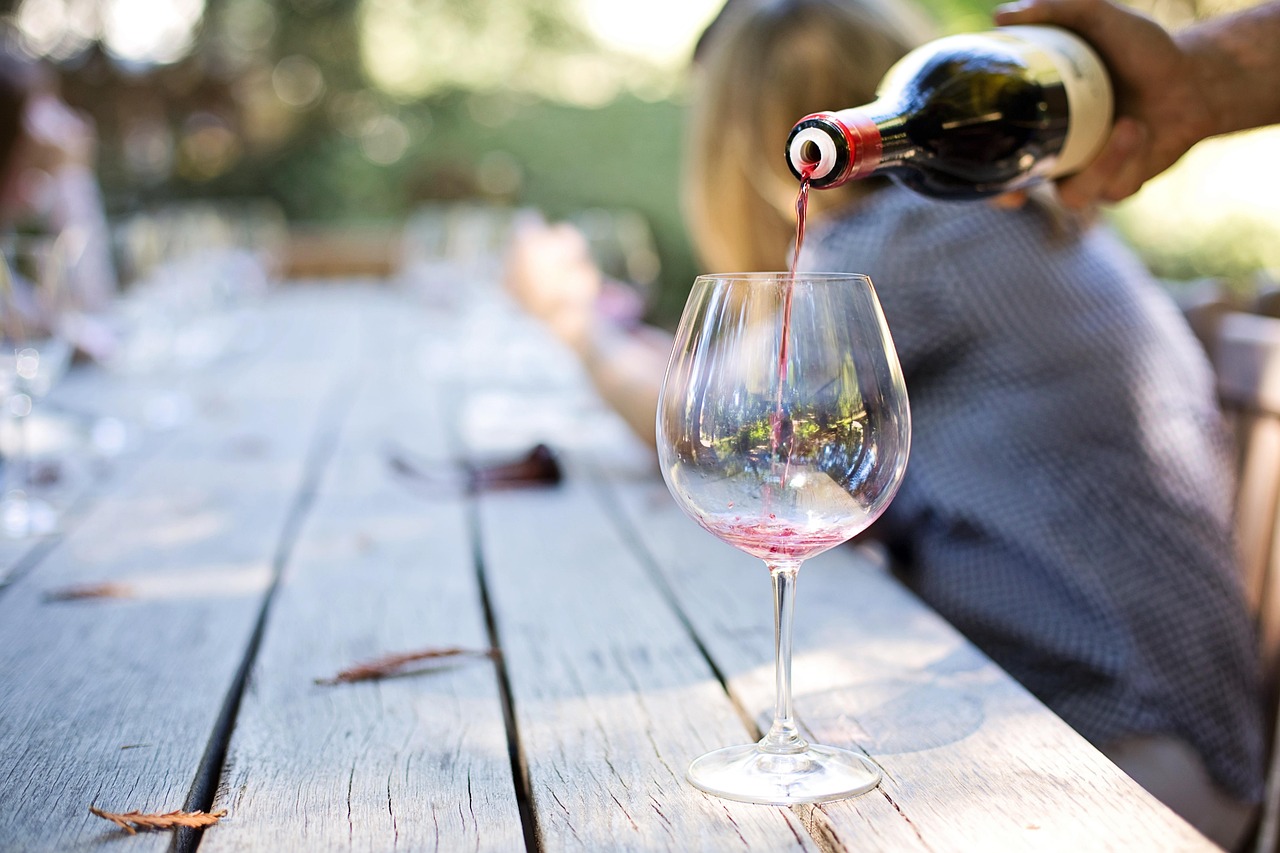
- The five-step method: look, swirl, smell, taste, consider. You don't need to use all five steps every time, but knowing them sharpens the experience.
- Smell is the dominant sense in flavour — 70 to 80% of what you 'taste' is actually aroma. This is why swirling matters.
- Tasting wine is not about finding the 'right' answer. It's about building a memory of what you like and why.
- Your glass, the temperature, and the time the wine has been open all change what you perceive — this is normal and interesting, not a problem.
Professional wine tasting has its rituals — the ceremonial swirl, the precise vocabulary, the careful spitting into a bucket. You don't need any of that. What you do need is a way of paying attention to what's in your glass. Once you have that, every bottle gets more interesting, and you get better at knowing what to buy.
Why bother at all
Most people drink wine and form vague impressions: liked it, didn't like it, seemed expensive, wasn't sure. Tasting slowly and deliberately converts those vague impressions into specific information — the kind you can use. "Too tannic for me before a meal" is more useful than "didn't really like that red." "Tasted better after twenty minutes open" teaches you something about that wine and about wines like it.
Step 1: Look
Tilt the glass against a white background (a napkin, a page) and look at the colour. What does it tell you?
In reds: a deep, almost-opaque purple suggests a young, full-bodied wine (Cabernet Sauvignon, Syrah). Bright ruby suggests a lighter style (young Pinot Noir). Garnet or brick at the rim suggests age — the wine is starting to develop. Older wines become more transparent and lose their purple hues.
In whites: pale straw or greenish hints suggest a lighter, crisper style (Muscadet, young Riesling). Deeper gold suggests either oak influence, skin contact, or age. Amber in a white wine usually means significant age, oxidation, or it's an orange wine.
Step 2: Swirl
Swirling coats the inside of the glass with wine and exposes more surface area to the air, which releases aromas. Hold the base of the glass stem between your thumb and forefinger and rotate it gently on the table. Three or four revolutions is enough.
The "legs" or "tears" that run down the inside of the glass after swirling are not an indicator of quality — they tell you about the alcohol and sugar content. High-alcohol or sweet wines produce more pronounced legs. It's an interesting visual detail, not a quality signal.
Step 3: Smell
This is the most important step. Between 70 and 80% of what we perceive as taste is actually smell — specifically retronasal smell, the aromas that reach your nose through the back of your throat as you swallow. So smelling the wine before you taste it is not a formality; it's the biggest single thing you can do to engage with what's in the glass.
Put your nose into the glass (genuinely into it — you want your nostrils inside the rim) and inhale slowly. Resist the urge to identify specific aromas immediately. Start broad: Is this fruity or earthy? Floral or herbal? Is there wood? Is there something animal-like or savoury?
Then go more specific. In the fruit family: red fruits (cherry, strawberry, raspberry) or dark fruits (blackcurrant, plum, blackberry)? Citrus (lemon, grapefruit) or tropical (mango, pineapple)? Dried or fresh? Outside fruit: earth, forest floor, leather, tobacco, spice, smoke, mineral — these are all legitimate wine descriptors and you may recognise them.
Smell the wine twice — once immediately after swirling, and again a minute later. Wines "open up" as they get air; aromas that weren't there in the first sniff often appear.
Step 4: Taste
Take a small sip and let it sit in your mouth for a few seconds before swallowing. Let it move around — touch your tongue, your gums, the roof of your mouth. Notice:
Sweetness — you'll feel it on the tip of the tongue first. Dry wines have essentially none; off-dry wines have a faint sweetness; sweet wines are obviously sweet.
Acidity — the tartness, the thing that makes your mouth water. Feel it along the sides of your tongue and in the back corners of your jaw.
Tannin — the drying, grippy sensation mainly in reds. It's a texture more than a flavour. Feel it on your gums and the inside of your cheeks.
Body — how heavy or light the wine feels in your mouth. Compare it to milk: skim milk = light body, full-fat milk = full body.
Flavour — now that you've noted the structure, what does it actually taste of?
Step 5: The finish
After you swallow (or spit, if you're tasting many wines), notice how long the taste lingers. This is the "finish" or "length." It is one clue to how the wine is built, but not a score by itself. More useful is what remains: freshness, grip, sweetness, warmth, or a flavour you want another sip of.
Try the 30-second version
Pour a wine you already have and give each step a few seconds: look, swirl, take two short sniffs and one slower one, sip, then pause. Start with broad families — fruit or earth, fresh or cooked, light or full — before trying to name a specific aroma. That is enough for a useful first impression. If you want a guided practice, open the sommelier below and tell it which bottle is in your glass.
Building your tasting memory
You don't need to write tasting notes — unless you want to. But it's worth pausing, after you've tasted a wine properly, to form a clear impression: would I buy this again? What did it remind me of? What would I eat with it? What didn't I like? Specific impressions, even brief ones, are how your palate develops. After fifty wines tasted with even minimal attention, your sense of what you prefer becomes very clear.
Describe what's in your glass to our sommelier and we'll help you understand it.
Questions we get asked
Do I need to spit to taste wine properly?
Only if you're tasting many wines in one session. Professional tasters spit to stay accurate through twenty or thirty samples. For a normal evening, there's no need. Swallow and enjoy.
What if I can't smell anything in the glass?
Check the temperature first — very cold wines give off almost no aroma. Swirl more aggressively and put your nose properly inside the rim. If you still get nothing, the wine may be "closed" — give it fifteen minutes open in the glass.
Does the glass shape really change what I taste?
Yes, materially so. A wide-bowled glass gives aromas more surface area to develop. A standard tulip shape — wider in the bowl, narrowing at the rim — handles everything from light whites to full reds.
What's the difference between the 'nose' and the 'palate' in wine tasting?
The "nose" is what you smell before you taste; the "palate" is what you experience in your mouth — flavour, structure, and finish. A wine can have a great nose and a disappointing palate, or vice versa, though they're usually aligned in quality wines.