Wine for Beginners: How to Start
You don't need a course or a cellar to drink better wine. You need about ten minutes, a few key ideas, and someone to stop using jargon at you. This is that guide.
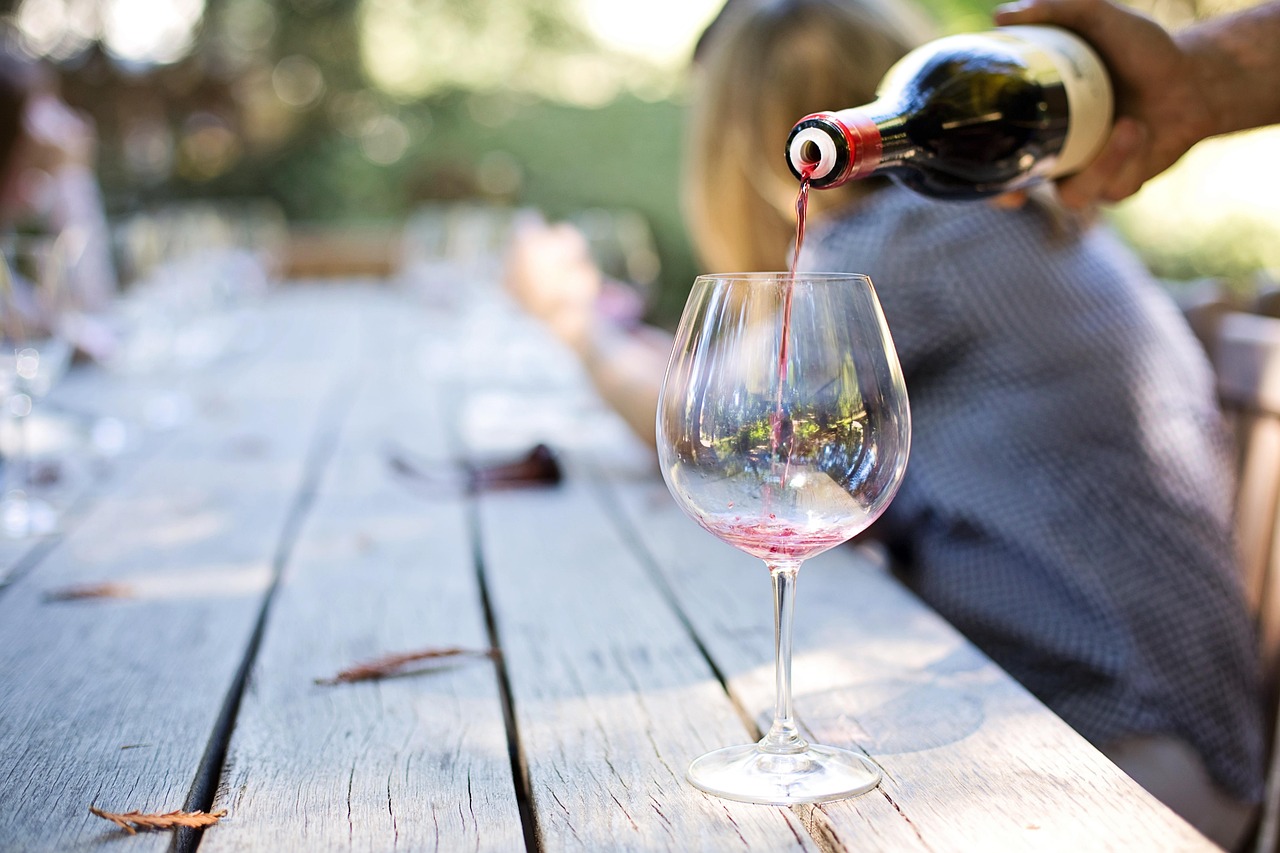
- Wine is just fermented grape juice — the complexity comes from the grape variety, where it was grown, and how the winemaker handled it.
- The four things that shape what a wine tastes like: fruit, acidity, tannin (mainly reds), and alcohol.
- There is no objectively correct way to taste wine. Your preferences are valid. Training your palate just means paying more attention.
- Start with one region or one grape variety and get to know it before broadening out. Depth before breadth.
Most wine guides begin with the assumption that you want to become a wine expert. This one doesn't. It begins with the assumption that you want to enjoy wine more, spend your money better, and stop feeling out of your depth at the dinner table. Those are achievable in an afternoon, not a lifetime.
What wine actually is
Wine is fermented grape juice. Yeast eats the sugars in crushed grapes and produces alcohol and carbon dioxide. That's the whole mechanism. Everything that separates a CHF 12 bottle from a CHF 120 bottle — the complexity, the depth, the way the finish evolves — comes from three sources: the grape variety, the place where it grew, and the decisions the winemaker made along the way.
The French word for "place" in this context is terroir, and it covers soil type, drainage, altitude, aspect (which direction the vineyard faces), and climate. A Pinot Noir from Burgundy and a Pinot Noir from New Zealand are made from the same grape, but they taste very different because the place is different. This is why wine enthusiasts talk about regions almost as much as grape varieties.
The four flavour pillars
Every wine has four structural elements that shape what you taste:
Fruit. This seems obvious but it's worth being precise. "Fruity" doesn't mean sweet — it means that the dominant aromas and flavours are in the fruit family (red cherry, blackcurrant, citrus, peach). Dry wines can smell and taste very fruity while containing essentially no residual sugar.
Acidity. This is the tartness, the freshness, the thing that makes your mouth water. High acidity means a wine feels lively and bright; low acidity means it feels round and sometimes flat. White wines and sparkling wines tend to have higher acidity than reds. A wine without enough acidity tastes dull, even if it's technically correct in every other way.
Tannin. This is the drying, slightly grippy sensation you get from red wines — the feeling that coats your gums and the inside of your cheeks. Tannins come from grape skins, seeds, and oak barrels. They're not a flavour but a texture. High-tannin wines (Barolo, Bordeaux, Cabernet Sauvignon) feel structured and firm; lower-tannin reds (Pinot Noir, Beaujolais) feel softer and more immediately approachable. White wines have almost no tannin.
Alcohol. Alcohol gives wine body and warmth. A 15% Zinfandel feels heavier and more viscous than a 12% Riesling. Very high alcohol without enough fruit or acidity to balance it tastes "hot" — you feel the burn at the back of your throat. When everything is balanced, the alcohol is invisible; you just feel it as a pleasant warmth.
Red, white, and rosé: what actually differs
The colour comes from the grape skins, not the flesh. Almost all grape juice is colourless. Red wine is made by leaving the skins in contact with the juice during fermentation — this extracts colour, tannins, and a range of compounds. White wine is made with minimal or no skin contact. Rosé sits in between: skins stay in contact for a few hours to a few days, extracting some colour and a little tannin.
This means you can technically make a "white wine" from red grapes, as long as you remove the skins before fermentation begins. Champagne is frequently made from the red grape Pinot Noir, pressed very gently to avoid colouring the juice.
Why price varies so much
A short, honest answer:
Yield. Reducing how many grapes a vine produces concentrates the flavour in the remaining fruit. Wines from very low-yielding vineyards — grands crus in Burgundy, old-vine parcels in Priorat — cost more partly because there's less of them.
Oak. Ageing wine in new French oak barrels is expensive. A 225-litre Burgundy barrel costs CHF 800–1,200 new, and top estates use each barrel for only one vintage.
Time. Wines that require years in barrel and further years in bottle before release tie up capital. A Barolo or Rioja Reserva sat in someone's cellar for several years before you bought it.
Reputation and scarcity. The most famous wines command a premium that goes well beyond their production cost. The gap between Château Pétrus and a perfectly good Pomerol is not purely a quality gap — it's partly a collectible-asset premium.
Practically: the law of diminishing returns is steep. The quality jump from CHF 10 to CHF 25 is enormous. From CHF 25 to CHF 50, it's noticeable. From CHF 50 to CHF 100, it's real but narrowing. Above CHF 100, you're buying into a combination of quality and prestige that only matters if the prestige matters to you.
How to start building your palate
Pay attention when you drink. That's the whole discipline.
The next time you open a bottle, give it two minutes before you read anything about it. Smell it first — what family does it belong to? (Red fruit? Dark fruit? Citrus? Flowers? Herbs? Oak?) Then taste it and ask yourself: is it tart or round? Does it dry out your mouth? Is it light or heavy? Does the taste linger or disappear quickly? Then look at the label.
You don't need to remember tasting notes. You need to develop a sense of what you personally prefer — more acidity or less, more tannin or less, bigger body or lighter body. Once you know your preferences, you can start looking for wines that deliver them reliably.
The most useful thing you can do right now
Pick one thing to follow for the next few months. It could be a grape variety (Pinot Noir is the classic choice — it tastes very different depending on where it's from, which teaches you about terroir quickly). It could be a region (Burgundy, the Rhône, Tuscany). It could be a price bracket: everything under CHF 25, and your job is to find the best one. Depth before breadth. You'll learn more from buying ten bottles of the same grape from different regions than from buying one bottle each of ten different things.
When you're ready to put these principles into practice, ask the online sommelier — describe what you're looking for and get a confident recommendation rather than a search result.
Not sure where to begin? Tell our sommelier what you usually drink and we'll find you the right first bottle.
Questions we get asked
Do I need to know a lot about wine to enjoy it?
No. Knowing more about wine means you can make better choices and articulate what you like — but it doesn't make the wine taste better. A wine you love without understanding why is still a wine you love. That said, a little knowledge does reduce the chance of spending CHF 40 on something you won't enjoy.
What's the best wine for a complete beginner?
Whichever one you already enjoy. If you don't know yet, start with a dry white: Pinot Grigio or a Muscadet for something light and simple, a white Burgundy if you want a little more complexity. Avoid anything labelled "dry" that you then find sweet, and avoid anything with 14.5% or higher alcohol until you know you enjoy full-bodied wines.
Does the shape of the glass matter?
More than you'd think, less than glassware companies would like you to believe. A standard tulip-shaped wine glass works for everything. You don't need varietal-specific glasses to drink well.
How do I know if a wine is good?
If you like it, it's good. That's not a cop-out — it's genuinely the answer. "Quality" in wine is about balance, length, and complexity. But all of these are in service of enjoyment. A wine can score 95 points and bore you, and a CHF 15 bottle can delight you.