Wine Terms: A Plain-English Glossary
Acidity, terroir, finish, minerality, legs — wine has its own vocabulary, and it can feel deliberately impenetrable. Here's what the most common terms actually mean.
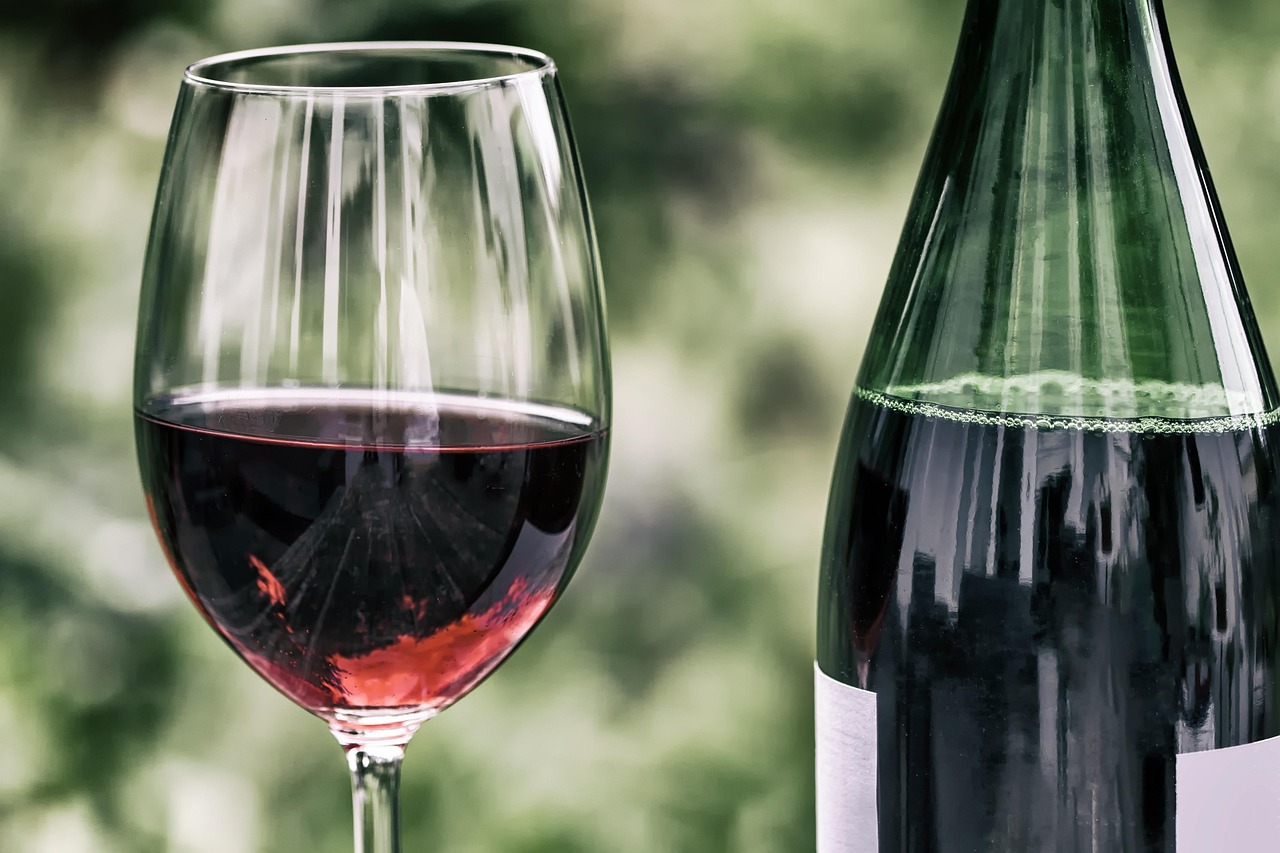
- Most wine jargon describes real, perceptible things — once you know what 'tannic' or 'acidic' means physically, the words become useful rather than pretentious.
- Terroir is the French concept that a wine's character is shaped by where the grapes were grown: soil, climate, altitude, and aspect all contribute.
- A long 'finish' (the taste that lingers after you swallow) is one of the most reliable indicators of wine quality.
- Terms like 'minerality' and 'complexity' are descriptive, not prescriptive — no single definition covers every use.
Wine vocabulary can feel like a private code designed to exclude outsiders. Some of it is — the overlap between genuine tasting description and social performance is real. But most of the technical terms describe things you can actually perceive in the glass, and once you know what they mean physically, they become genuinely useful. Here are the ones worth knowing.
Structural terms
Acidity. The tartness in wine — the thing that makes your mouth water and the sides of your tongue tingle. High-acidity wines feel lively, refreshing, and food-friendly. Low-acidity wines can feel flat or flabby. All wines have acidity; the question is how much.
Tannin. A polyphenol compound found in grape skins, seeds, and oak barrels. In the mouth, tannin produces a drying, gripping sensation — it's a texture, not a flavour. High-tannin reds (Barolo, Cabernet Sauvignon, young Bordeaux) can feel austere when young and benefit from ageing. Low-tannin reds (Pinot Noir, Beaujolais) are softer and earlier-drinking. White wines have almost no tannin.
Body. How heavy or full the wine feels in your mouth — its weight and viscosity. Think of it like milk: skim = light body, semi-skimmed = medium, full-fat = full body. Alcohol and residual sugar both increase body. A 15% California Zinfandel has more body than an 11.5% German Riesling.
Residual sugar (RS). The sugar left in the wine after fermentation. A completely dry wine has very little RS; a medium-dry wine has a noticeable but not sweet quality; a dessert wine has a lot. Note: a wine can smell fruity without being sweet — "fruity" refers to the aroma family, not the taste.
Alcohol. Usually expressed as ABV (alcohol by volume). Higher alcohol = more body and warmth. When alcohol feels prominent — a "hot" or "burning" sensation at the back of the throat — it's usually because the wine lacks the fruit and acidity to balance it.
Tasting terms
Nose / Bouquet / Aroma. These all refer to what you smell. Technically, "aroma" is the primary scent from the grapes themselves; "bouquet" refers to secondary aromas that develop during fermentation and ageing. In practice, "nose" is used for all of them.
Palate. What you experience in your mouth — flavour, structure, texture, and finish.
Finish / Length. How long the taste lingers after you swallow. A short finish means the flavour disappears almost immediately; a long finish can last fifteen seconds or more and often evolves as it fades. A long finish is one of the most reliable quality indicators in wine.
Complexity. A wine is complex when multiple layers of flavour and aroma are present and evolve — in the glass over time, and in the mouth over the course of a sip. A wine that tastes like one thing and stays that way is simple; a wine that shifts and reveals new facets is complex.
Balance. No single element dominates. Fruit, acidity, tannin, and alcohol are in proportion. An unbalanced wine might be too acidic (sharp), too tannic (drying everything out), too alcoholic (hot), or too sweet (cloying). Balance is a quality indicator at all price levels.
Minerality. A descriptor for a stony, chalky, or saline quality that has no obvious fruit analogue — the quality often described in Chablis, Sancerre, Mosel Riesling, or Etna whites. Its cause is debated: it may come from soil, reductive winemaking, or both. What it describes perceptually is real; where it comes from is contested.
Winemaking and origin terms
Terroir. The French concept that a wine's character is shaped by the totality of its growing environment: soil type and composition, subsoil, drainage, altitude, slope, aspect (compass direction), and local climate. Two vineyards a kilometre apart, planted with the same grape, can produce very different wines. Terroir is the reason for this.
Appellation. A legally defined geographical area with rules about which grapes can be grown, how they're grown, and how the wine is made. France's AOC (Appellation d'Origine Contrôlée), Italy's DOC and DOCG, and Spain's DO are all appellation systems. The rules vary by country and region.
Négociant. A wine merchant who buys grapes or wine from growers and then processes, blends, and bottles it under their own name. Many of Burgundy's largest labels are négociants. A good négociant can make excellent wine; the model has its detractors because it separates the grower from the label.
Domaine / Château / Winery / Estate. All refer to the producer — a property where wine is made. Domaine is used in Burgundy and much of France; Château in Bordeaux and parts of the south; winery is the New World term; estate covers everything.
Old vines / Vieilles vignes. Vines that are 30, 50, or sometimes 100+ years old produce fewer grapes per vine, but the grapes tend to be more concentrated and complex. There's no legal definition for "old vines" in most countries.
En primeur. Buying Bordeaux (and some other wines) before they're bottled, as barrel samples during the spring after harvest. Buyers pay early and receive the wine several years later. The logic is price advantage and allocation of rare bottles; the risk is that the barrel sample doesn't fully predict the finished wine.
Style terms
Dry / Off-dry / Sweet. Dry = very little residual sugar. Off-dry = slight, pleasant sweetness, not obviously sweet. Sweet (or dessert wine) = clearly and significantly sweet.
Crisp. High acidity with clean, fresh fruit. Typically applied to whites.
Round. Low-to-medium acidity, soft tannins, smooth. Easy-drinking.
Structured. Prominent tannins and/or acidity that give the wine a "skeleton" — often used for wines that will benefit from ageing.
Legs. The streaks that run down the inside of a glass after swirling. They indicate alcohol and sugar content, not quality. A wine with prominent legs is high in alcohol or sugar; a wine with thin legs is lighter. This is often misrepresented as a quality indicator — it isn't.
Confused by a tasting note? Our sommelier can translate it into plain English and suggest something you'll actually like.
Questions we get asked
What does 'corked' mean?
A wine is corked when it's been contaminated by TCA, a compound that makes it smell of damp cardboard or wet dog. Around 1–3% of cork-sealed bottles are affected. It has nothing to do with cork fragments in the glass — that's a cosmetic issue, not a fault.
What does 'reductive' mean?
Reductive winemaking limits oxygen exposure, preserving freshness but sometimes producing struck-match or sulphurous aromas. These usually blow off with swirling and air.
What's the difference between a vintage and a non-vintage wine?
A vintage wine comes from a single harvest year. A non-vintage (NV) wine is blended across years for consistency — most entry-level Champagne is NV. It's a deliberate stylistic choice, not a quality deficit.
Is 'organic' wine meaningfully different?
Organic certification means grapes were grown without synthetic chemicals. Biodynamic is stricter. Neither guarantees better wine, but producers committed to organic farming often pay close attention to quality throughout — so there's a correlation.