Corked & Faulty Wine: How to Tell
Cork taint, oxidation, reduction, re-fermentation — wine can go wrong in several distinct ways. Here's how to identify each fault and what to do about it.
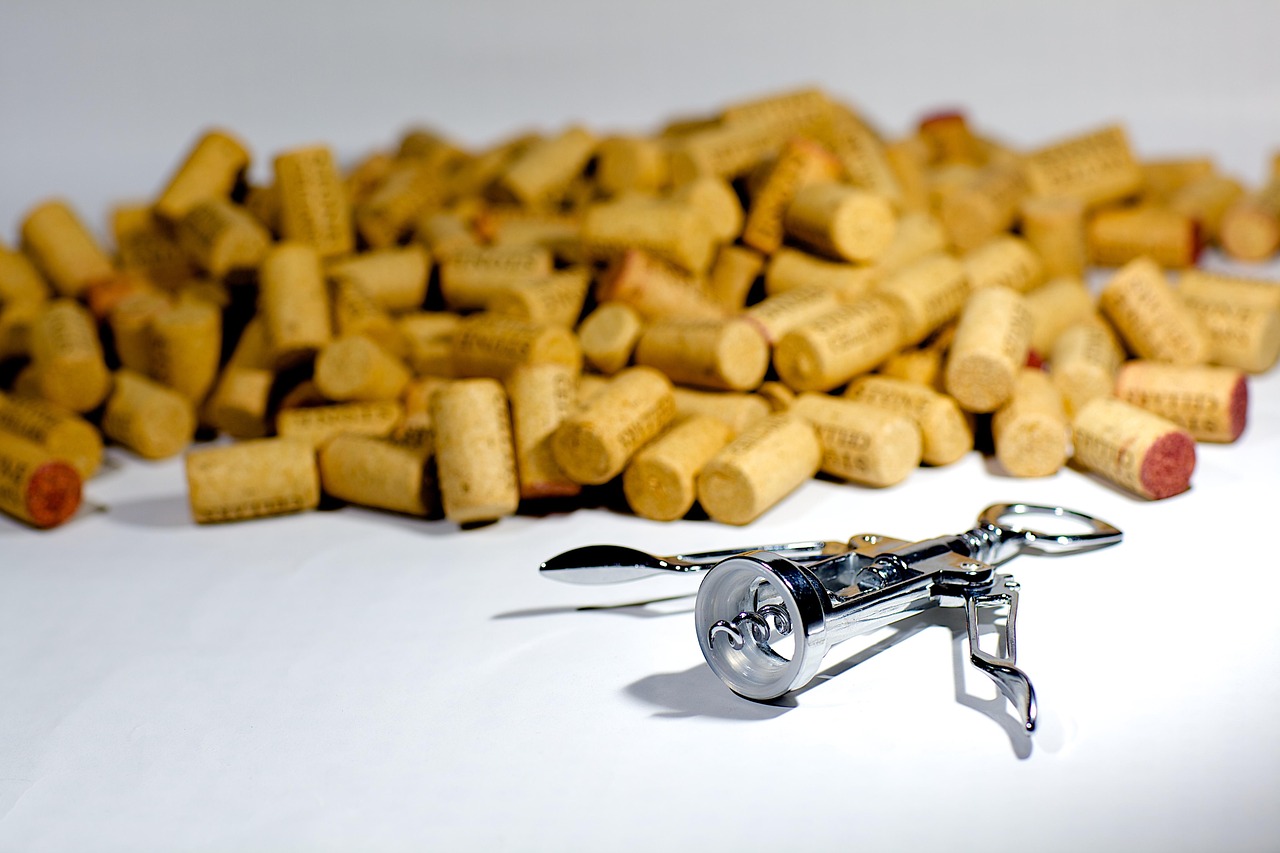
- A 'corked' wine smells of damp cardboard or wet dog — this is TCA contamination and affects roughly 1–3% of natural cork-sealed bottles.
- Oxidised wine smells of sherry or vinegar and has lost its fruit — the result of too much oxygen contact, whether during production or after opening.
- A corked wine is not dangerous. Neither is an oxidised one. Both are legitimate grounds for returning a restaurant bottle.
- Fragments of cork in the glass are not a wine fault — they're a cosmetic inconvenience caused by a broken cork, not contamination.
Not every disappointing bottle is a bad wine — some bottles are faulty. There's a difference between a wine you don't enjoy (a matter of preference) and a wine that has something wrong with it (a technical fault). Knowing the difference is useful: it tells you whether to send a restaurant bottle back, whether a case you bought has a systematic problem, and whether that musty smell in your glass means the wine is flawed or just needs air.
Cork taint (TCA)
The most common and well-known wine fault. "Corked" is used loosely to mean "something is wrong with this wine," but technically it refers to contamination by TCA (2,4,6-trichloroanisole) — a compound formed when naturally occurring fungi in the cork react with chlorine-based compounds used in cleaning. The result is an unmistakable odour: damp cardboard, wet dog, musty cellar, or mouldy newspaper.
TCA suppresses your ability to smell other aromas — a heavily corked wine seems almost aroma-less beyond the musty note. It's subtle in mildly affected bottles (a faint dampness) and overwhelming in severely affected ones. The wine may also taste flat and dull, with the fruit stripped out.
Around 1 to 3% of natural cork-sealed bottles are affected, though producers and cork manufacturers have reduced this substantially through improved production methods. TCA is not harmful to drink. Screw caps and technical closures (Diam, Nomacorc) are immune to TCA.
What to do: In a restaurant, tell the sommelier or server. A corked wine should always be replaced without question. At home, return it to the shop where you bought it or contact the producer — both will typically replace a corked bottle.
Oxidation
Oxidation happens when a wine is exposed to too much oxygen — either during production (a winery mistake), from a faulty closure, or after opening and leaving the bottle too long. An oxidised wine smells of sherry, bruised apple, or vinegar, and has lost its fruit. The colour may be brown in a red or very dark gold in a white.
A small amount of oxidation is intentional in some wine styles: Madeira, tawny port, fino sherry, and the French style called vin jaune are deliberately oxidised for complexity. The fault is when a wine that should be fresh and fruity has the same qualities unexpectedly.
A wine that smells mildly of bruised apple immediately after opening may just be closed — give it twenty minutes. If the aroma doesn't improve with air, it's probably oxidised.
Reduction
Reduction is essentially the opposite of oxidation — a wine that was protected from too much oxygen, sometimes developing sulphurous or reductive aromas: struck match, rubber, burnt rubber, or eggs. These aromas are volatile and usually blow off quickly with air. Swirling vigorously and leaving the wine open for fifteen to thirty minutes often resolves reduction entirely.
A highly reductive style is common in natural wines and some Muscadet. If the smell persists after significant air contact and decanting, the wine may be genuinely flawed rather than just needing air.
Re-fermentation in bottle
Most still wines are dry — the yeast has consumed all the sugar and fermentation is complete before bottling. Occasionally, still wines undergo a secondary fermentation in the bottle (usually from residual sugar and yeast not fully arrested before bottling). The signs: unexpected bubbles or spritz in a wine that should be still, a slightly yeasty or cidery quality, and sometimes a haze in the wine.
This is usually a winery error and is more common in cheap wines or naturally fermented bottles that weren't fully stable before bottling. In small amounts, the spritz is harmless if unusual.
Heat damage ("cooked" wine)
A wine that was stored or transported at high temperatures (above 25°C for extended periods) can taste "cooked" — jammy, stewed-fruit, flat, and with a slight syrupy quality. The aromas are muted; the fruit tastes raisined rather than fresh. The cork may protrude slightly from the bottle, pushed out by the wine expanding in the heat. Heat damage cannot be reversed.
Cork fragments in the glass
Not a wine fault. A crumbling cork (from age or dryness) leaves particles in the wine when you pull it. These are tasteless and harmless — filter them through a fine sieve when pouring, or use a wine strainer. They say nothing about the quality of the wine itself.
Describe what you're smelling and tasting to our sommelier and we'll help you identify what's going on.
Questions we get asked
How do I know if a wine is corked or just unfamiliar?
Smell the cork directly — the cork end that was in the wine. A corked wine often carries the damp cardboard smell there too. If the wine smells like almost nothing and tastes flat, it may be mildly corked — TCA suppresses aroma rather than replacing it with something distinctive.
Can I send a restaurant bottle back if it seems corked?
Yes, always. A sommelier will taste it, confirm the fault, and replace the bottle. You should not be charged for a faulty bottle. A restaurant that refuses to replace a confirmed corked wine is not behaving correctly.
Does natural wine smell bad on purpose?
Some natural wine producers embrace reductive or funky aromas as part of the style. Whether struck match, barnyard, or spritz is "character" or "fault" is genuinely contested. Try a few from reliable producers before deciding the style isn't for you.
What should I do with a faulty bottle I bought online or in a shop?
Contact the retailer. Most reputable merchants will replace or refund without requiring the bottle back. Keep the cork as evidence. If multiple bottles in a case are affected, flag this — it usually indicates a production or storage issue.