Tannin, Acidity & Body, Explained
Tannin, acidity, and body are the structural bones of a wine. Understanding them is the fastest route to knowing why you like what you like.
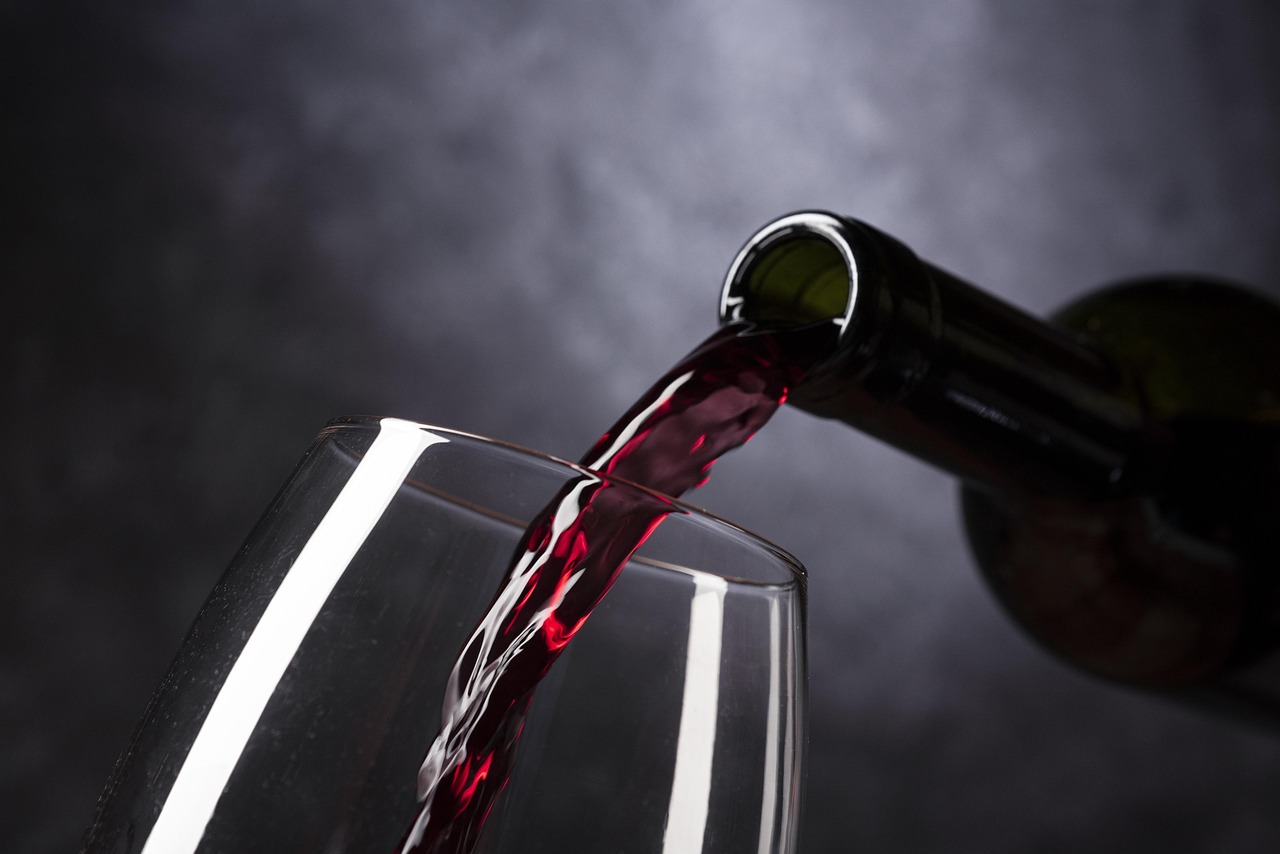
- Tannin is a texture, not a flavour — the drying, gripping sensation in red wines that comes from grape skins and oak barrels.
- Acidity is the tartness that makes your mouth water; it's the most important structural element for food pairing.
- Body is how heavy the wine feels — a function of alcohol, sugar, and extract. Light-bodied wines feel like water; full-bodied like full-fat milk.
- These three elements work together: high tannin without acidity feels harsh; high acidity with low fruit feels sharp; everything in proportion is 'balanced'.
Every wine is built from the same structural components. Fruit, yes — but beneath the fruit, three elements determine how the wine actually feels to drink: tannin, acidity, and body. These are the bones. The fruit and aromatics are the flesh. Understanding the bones explains why certain wines work with certain foods, why some wines need ageing, and why your preferences are the shape they are.
Tannin: the grip in the wine
Tannins are polyphenolic compounds found naturally in grape skins, seeds, and stalks, and extracted from oak barrels during ageing. When you taste a young Barolo or a structured Bordeaux and your mouth feels dry and your gums feel like they've been coated with something — that's tannin. It's a physical sensation, not a flavour.
Tannins do two important things over time. First, they bind with proteins — which is why tannic red wines taste better with red meat (the protein in the meat binds the tannins, making the wine feel rounder, and the wine cuts through the fat). Second, tannins polymerise as a wine ages: they join together into longer chains that precipitate out of the wine as sediment, leaving the remaining wine softer and more complex. This is the main reason some red wines are worth ageing.
High-tannin grapes: Nebbiolo (Barolo, Barbaresco), Cabernet Sauvignon, Mourvèdre, Sagrantino.
Medium-tannin grapes: Merlot, Sangiovese, Syrah, Tempranillo.
Low-tannin grapes: Pinot Noir, Gamay, Grenache, Barbera.
White wines have essentially no tannin because the juice is separated from the skins before fermentation. The exception is orange wine (white wine made with extended skin contact), which can have noticeable tannin.
When tasters describe tannins, they use words like: grippy, firm, silky, velvety, harsh, fine-grained, astringent. "Fine-grained" or "silky" tannins are the goal — tannins that provide structure without aggression.
Acidity: the life in the wine
Acidity is the single most important structural element for food pairing, and for a wine's ability to age. It's what makes wine taste fresh rather than flat, and what allows it to cut through fatty, rich, or salty food. When a wine has too little acidity, it tastes flabby — soft in the wrong way, like fruit juice going stale. When it has too much and not enough fruit to balance it, it tastes sharp or harsh.
You feel acidity as tartness, mostly along the sides and tip of your tongue, and as salivation — a high-acid wine makes you salivate. This is why crisp whites (Muscadet, Chablis, Riesling, Vinho Verde) feel so food-friendly: the acidity cleans your palate between bites.
Naturally high-acid grapes: Riesling, Sauvignon Blanc, Pinot Grigio/Gris, Chenin Blanc, Champagne varieties (Chardonnay, Pinot Noir, Pinot Meunier).
Naturally lower-acid grapes: Viognier, Grenache, Roussanne, Gewürztraminer.
Cooler climates preserve acidity: a Mosel Riesling from Germany has higher acidity than the same grape grown in Alsace, because the cooler temperatures slow ripening and retain malic acid. This is why high-altitude and cool-climate wines tend to pair so well with food.
Body: the weight of the wine
Body is the easiest of the three to grasp because it's purely about weight and texture. Think of milk as a reference: skim milk is light-bodied, semi-skimmed is medium, full-fat is full. Wine works the same way.
Body is primarily driven by alcohol (higher alcohol = more body), residual sugar (sweeter wines feel heavier), and extract (the concentration of dissolved solids from the grape). A very concentrated, rich wine from old vines with high alcohol and some residual sugar has maximum body. A light German Riesling at 8.5% alcohol is the opposite.
Light-bodied reds: Pinot Noir, Gamay, Schiava. Think Burgundy, Beaujolais, lighter Pinots from Germany or Switzerland.
Medium-bodied reds: Merlot, Sangiovese, Tempranillo, most Bordeaux blends.
Full-bodied reds: Cabernet Sauvignon, Syrah/Shiraz, Nebbiolo, Mourvèdre, Châteauneuf-du-Pape blends.
For whites, the same spectrum applies: a Vinho Verde at 10% alcohol is light-bodied; a barrel-fermented white Burgundy at 14% is full.
How they work together
These three elements don't operate in isolation. The best wines are ones where they're in balance — where no single element dominates and they each support the others.
A wine with high tannin but low acidity can feel harsh and one-dimensional. Give it high acidity and the tannins integrate better. A wine with high acidity but not much fruit can feel lean and austere. Give it richer fruit and the acidity brightens it rather than dominating. A full-bodied wine with low acidity can feel heavy and short — the same wine with enough acidity feels generous but not cloying.
This is also why pairing works the way it does. A tannic red wine becomes softer with red meat (protein binds tannins). A high-acid white becomes brilliant with fish (acidity cuts fat and mirrors the citrus notes in the dish). A full-bodied, low-acid wine doesn't work with delicate food — it overwhelms it.
Tell our sommelier your texture preferences and we'll find something that fits exactly.
Questions we get asked
What makes a wine 'dry'?
A dry wine has very little residual sugar — the yeast has converted almost all the sugar to alcohol. "Dry" doesn't mean sour or astringent (those are acidity and tannin). A dry wine can still be richly fruited and round.
Can you taste tannin in white wine?
Rarely. White wines have minimal skin contact, so almost no tannin is extracted. Orange wines (white grapes fermented with skin contact) are the exception. Heavily oaked whites may have a slight dryness from oak tannins, but it's mild.
Why do some red wines cause headaches and others don't?
Tannins are often blamed but the evidence is mixed. More likely culprits are histamines, procyanidins in grape skins, alcohol level, and dehydration. Drinking water alongside wine helps regardless.
How do I know if a wine is 'balanced'?
Ask whether any single element sticks out unpleasantly. If it makes you wince from acidity, your mouth is bone-dry, or the alcohol burns — it's unbalanced. A balanced wine may have high acidity and firm tannin, but they work together rather than fighting.