Sauternes & Sweet Bordeaux
Sauternes is the world's most extraordinary sweet wine — not sugary, but amber, layered, and built to outlast almost everything else in your cellar.
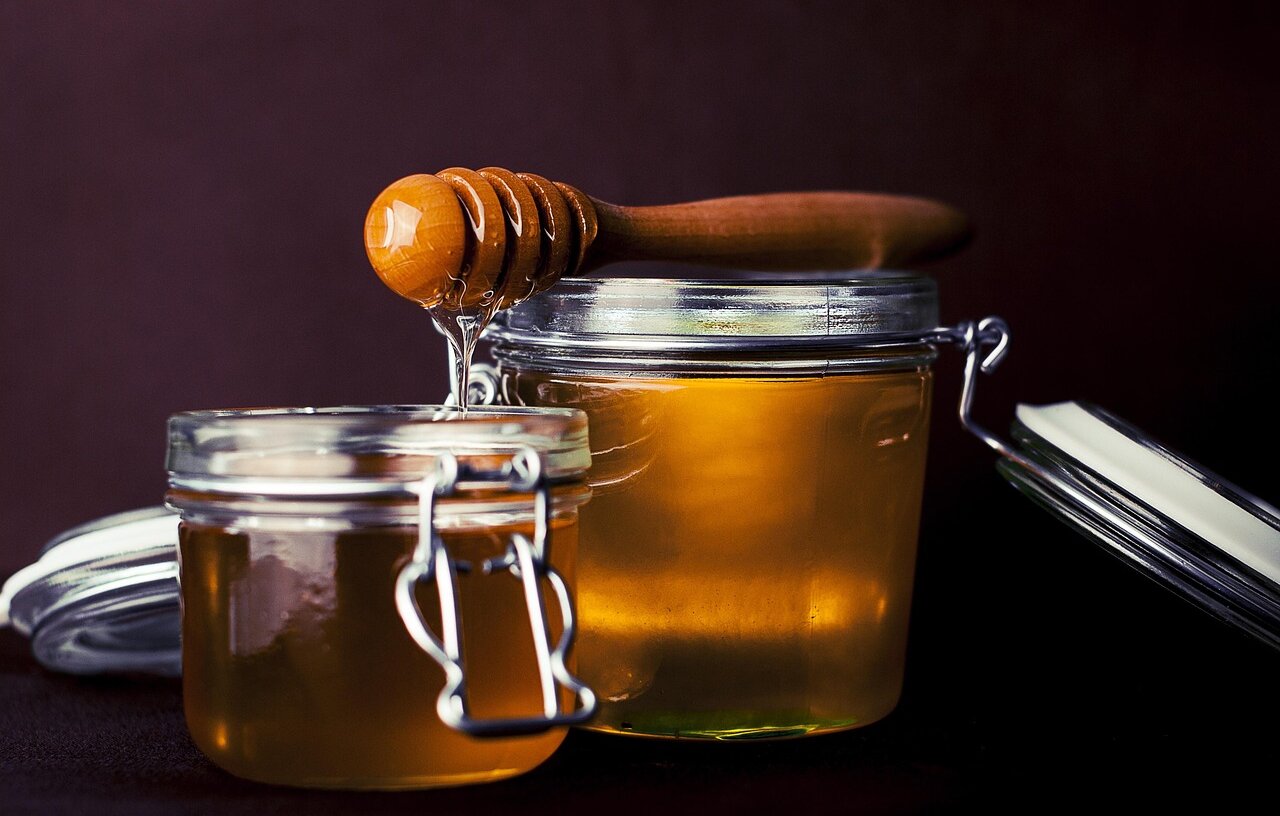
- Sauternes is made from Sémillon, Sauvignon Blanc, and Muscadelle grapes attacked by botrytis cinerea — 'noble rot'. The mould dehydrates the berries, concentrating sugars and creating extraordinary flavour complexity.
- It pairs best with foie gras, Roquefort and other blue cheeses, or fruit-based desserts — but it also drinks beautifully alone as an after-dinner wine.
- Even modest Sauternes ages for 10–20 years. Château d'Yquem, the region's greatest estate, can develop in the bottle for 50–100 years.
- The sweetness is always balanced by high acidity — a good Sauternes never feels heavy. The acidity keeps it fresh and makes it one of the most food-versatile sweet wines in the world.
Most people encounter Sauternes once, usually at the end of a long meal, and think: sweet wine. Then they taste it properly — the amber colour, the aromas of honey, apricot, saffron, and candied citrus peel, the viscosity that coats the glass — and realise that 'sweet wine' is an almost useless description. Sauternes is its own category. Understanding what makes it is the fastest route to appreciating it.
What makes it sweet: noble rot
Botrytis cinerea is a fungus that attacks grapes across the world, usually destroying them. In Sauternes — and a handful of other specific places in the world (Tokaj in Hungary, the Mosel in Germany) — the local climate creates exactly the right conditions for the same fungus to behave differently. The autumn mornings are misty and damp (the Ciron river, which flows into the Garonne nearby, generates a specific morning fog); the afternoons are warm and dry. This cycle allows botrytis to dehydrate the berries slowly rather than rotting them, concentrating the sugars, acids, and flavour compounds to extraordinary levels.
The result is not just sweetness. The botrytis process creates entirely new compounds — glycerol (which gives the wine its rich, oily texture), botrytised aromas (honey, beeswax, ginger, quince), and the characteristic orange-amber colour that develops even in young vintages. A Sauternes without botrytis is merely a sweet Bordeaux blanc. A Sauternes with botrytis is something else.
The grapes
The dominant grape is Sémillon — typically 70–85% of the blend. Sémillon has thin skin, which makes it particularly susceptible to botrytis penetration. It provides the wine's body, texture, and the lanolin-and-beeswax aromatics. It also ages extraordinarily well.
Sauvignon Blanc adds freshness and acidity, cutting through the richness and giving the wine its structure. Muscadelle (a small percentage in most blends) contributes floral aromatics.
The estates
Château d'Yquem sits above the rest of the 1855 Sauternes classification, classified as Premier Cru Supérieur — a category created specifically for it, because no standard tier seemed sufficient. Yquem is harvested berry by berry over weeks, using teams of pickers who pass through the vineyard up to eleven times to collect only the most perfectly botrytised fruit. A single vine produces one glass of wine.
Below Yquem, the eleven Premier Crus include estates that regularly produce extraordinary wine.Château Suduiraut produces one of the most opulent and consistently excellent Sauternes outside Yquem. Château Rieussec (owned by the Rothschilds of Lafite) makes a wine that balances power and freshness remarkably well. Château Guiraud is one of the region's leading estates practising organic viticulture and consistently produces wines of great precision and length.
Barsac is the neighbouring appellation, sharing the same soils and climate but producing wines that are slightly lighter and more citrus-driven. Châteaux Climens and Coutet are the finest Barsac producers. Barsac wines can be labelled either Barsac AOC or Sauternes AOC.
What to expect in the glass
A young Sauternes (3–5 years) is golden-yellow, with aromas of fresh apricot, citrus peel, vanilla, and a gentle honeyed note. The palate is rich and sweet but always lifted by acidity — it should never feel cloying or one-dimensional.
A mature Sauternes (15–25 years) turns amber-gold, developing aromas of caramelised orange peel, dried apricot, saffron, roasted nuts, and aged beeswax. The sweetness becomes less obvious as the flavours integrate; what remains is texture, complexity, and extraordinary length on the finish.
Food pairings
The classic pairing is foie gras — the richness of the liver is cut by the wine's acidity, and the sweetness matches the seared fat. It sounds unlikely until you taste it, at which point it seems obvious.
Blue cheese — Roquefort above all — works on the same principle: salt and fat against sweetness and acidity. This is one of the great wine-and-cheese matches in the world. Stilton and Gorgonzola also work well.
Fruit-based desserts — tarte Tatin, peach tart, crème brûlée — pair naturally with the wine's own fruit character. Avoid chocolate desserts, which overwhelm Sauternes. And don't underestimate Sauternes alone: a small glass at the end of a meal, served slightly cold (about 12 °C), is a pleasure that needs no accompaniment.
How to buy — and what to spend
Half-bottles are the sensible format for most occasions — you'll rarely want more than 6–8 cl per person with a dessert course. A half-bottle of a serious Premier Cru (Suduiraut, Rieussec, Guiraud) runs CHF 35–65 depending on vintage; a full bottle of the same CHF 60–100.
The satellite appellations — Cerons, Loupiac, Sainte-Croix-du-Mont — produce sweet wines from the same grapes using the same method, often without botrytis being as consistent. They're lighter, less complex, and available for CHF 15–25 a bottle. A good entry point before committing to a proper Sauternes.
Looking for a Sauternes to pair with cheese or foie gras? Tell our sommelier how much you want to spend and the occasion.
Questions we get asked
How sweet is Sauternes really?
Considerably sweet — typically 120–150 g/l of residual sugar, compared to 0–4 g/l in a dry white wine. But the high acidity (the same level as a good Chablis) keeps it from feeling cloying. A well-made Sauternes tastes sweet and fresh simultaneously, which is the central achievement of the wine.
Can I drink Sauternes as an apéritif?
Technically yes, but it's not well suited. The sweetness and weight are designed for the end of a meal, not the beginning of a hungry stomach. If you want something sweet before dinner, a dry Crémant or a glass of Champagne is more appropriate. Save the Sauternes for cheese, dessert, or a quiet hour after dinner.
How long does Sauternes keep once opened?
Better than almost any other wine. The combination of high sugar and high acidity acts as a preservative. A good Sauternes will keep for 5–7 days in the fridge with a simple stopper, and often still be enjoyable after ten days. This makes it practical for a half-bottle opened with cheese on a Friday — the rest keeps easily until midweek.
Is there a good entry-level Sauternes?
Château Guiraud's second label (Petit Guiraud) and Château Suduiraut's second wine (Lions de Suduiraut) both offer the house style at a significantly lower price. The satellite appellations — Loupiac, Sainte-Croix-du-Mont — produce lighter, earlier-drinking sweet wines from the same grapes. Any of these works as a way in before committing to a Premier Cru full bottle.