The Best Wine Gifts for Beginners
Buying wine for someone who's just getting started requires a different approach than buying for an enthusiast. Here's how to choose something that opens doors rather than closing them.
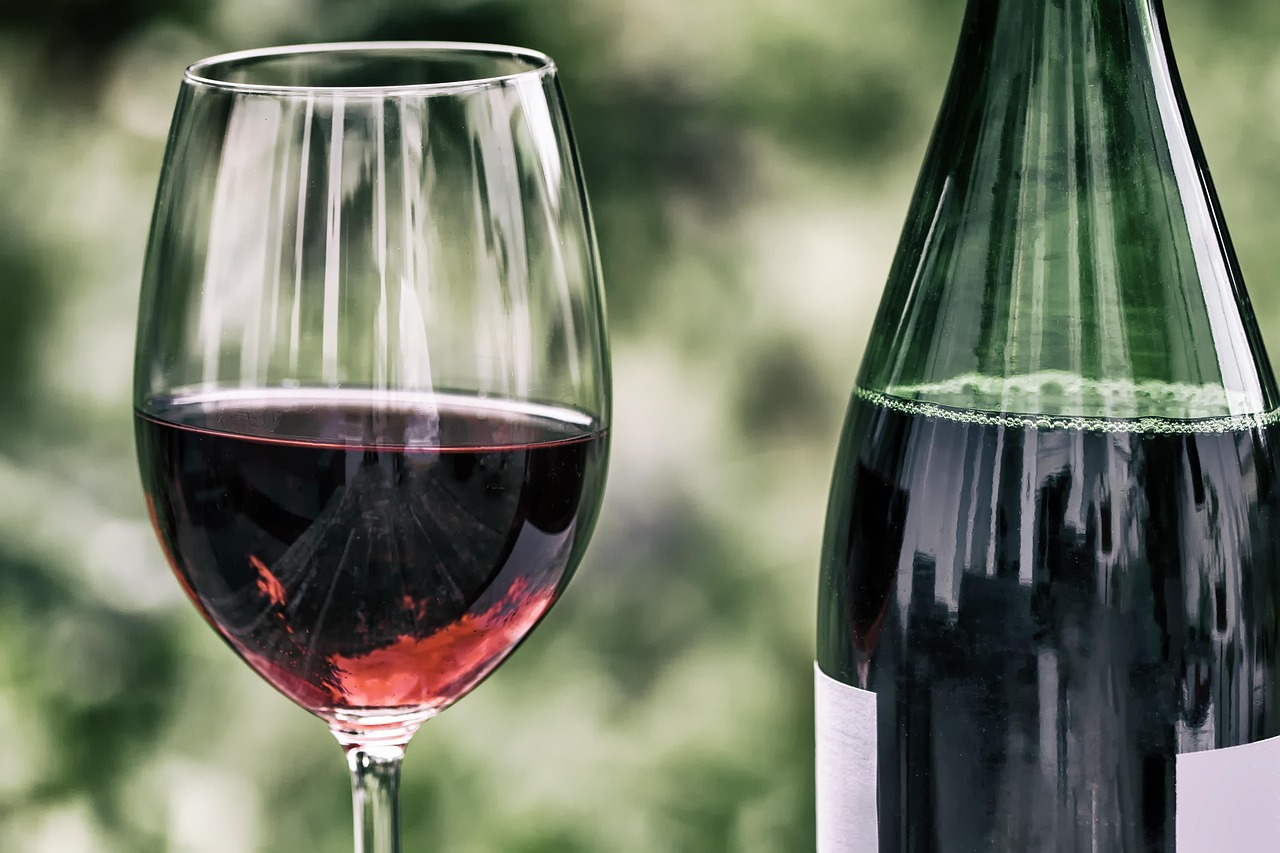
- For a wine beginner: approachable, with character — not neutral, not aggressively tannic or acidic, not too complex. Something they'll enjoy immediately and want to explore further.
- Avoid very dry, very tannic reds — young Barolo, structured Bordeaux, full Syrah. These are wines that require experience to appreciate. A beginner will find them harsh rather than interesting.
- White wine is a safer starting point than red for a true beginner — less tannin, more immediate fruit, and less likely to produce a negative reaction.
- A good Champagne or quality sparkling wine is the most reliable gift for a beginner — universally appealing, inherently celebratory, and almost impossible to dislike.
A wine beginner doesn't yet know what they like. The gift's job is to give them an experience that's immediately pleasurable and makes them want to explore more — not to educate them or challenge their palate. A wine that impresses with complexity but produces a grimace from tannin or excessive acidity is the wrong gift, no matter how good it is in absolute terms.
The most reliable starting gifts
Good Champagne or quality sparkling wine — the safest and most universally appreciated choice. The bubbles and acidity make it food-friendly and refreshing; the toasty complexity is approachable without being demanding. Even a beginner who has never thought about wine knows that Champagne is special. A quality Crémant d'Alsace or Crémant de Bourgogne gives the same experience at a much lower price point.
A quality rosé — dry Provence rosé is one of the most beginner-friendly styles in wine: fresh, fruity, pretty, with no intimidating tannin and enough acidity to be food-friendly. A Miraval, Château d'Esclans, or Domaine Ott communicates quality and delivers immediate pleasure. The format (a beautiful pale pink bottle) also photographs well, which matters for some recipients.
A Sancerre or Pouilly-Fumé — crisp, aromatic Sauvignon Blanc from the Loire. Clean, recognisable, and immediately enjoyable. This is a wine that introduces a beginner to what a high-quality white wine tastes like without being challenging.
Good introductory reds
For a beginner who already knows they enjoy red wine:
Beaujolais cru (Fleurie, Morgan, Brouilly) — light, fruity, low in tannin, and genuinely delicious. This is wine that's easy to love without any prior knowledge. The Gamay grape's vivid cherry fruit and the freshness of a good cru Beaujolais makes an excellent introduction to French red wine.
Pinot Noir — New Zealand or Burgundy village — approachable in a way that a young Bordeaux is not. A Central Otago Pinot Noir or a Mâcon-Villages rouge delivers red berry fruit, soft tannin, and a length that communicates quality without the drying astringency of more structured varieties.
Malbec from Mendoza — dark fruit, velvety texture, modest tannin. New World Malbec is designed to be immediately appealing, and it works. A quality Catena Malbec or a Zuccardi at around CHF 25 is a good introductory red for someone who knows they like fuller-bodied styles.
What to avoid
Young Barolo or aged Bordeaux — these are wines that require experience to appreciate. Their tannin structure and complexity are what make them great; a beginner will find the tannin harsh rather than intriguing.
Very dry, very acidic whites — Muscadet, Chablis, young Riesling. These are wines for experienced palates who know how to read minerality. A beginner may find them thin or sour.
Orange wine or natural wine with significant volatility — the funky, unconventional aromas of some natural wine can be a revelation for an experienced drinker who chooses to explore. For a beginner, they can be off-putting and discouraging.
Including context
A card that explains the gift — the grape, the region, what to eat with it, and what to notice when drinking — transforms a bottle into a learning experience. Keep it brief: three sentences is enough. "This is a Beaujolais Cru from Fleurie. Gamay gives it vivid cherry fruit and a lightness that makes it perfect chilled on a warm evening. Try it with a charcuterie board."
If you only know a rough preference, choose a beginner-friendly wine gift from the live selection and let the sommelier use the recipient and budget to narrow it down.
Buying for a wine beginner? Tell the sommelier their rough preferences and budget and we'll find something they'll love immediately.
Questions we get asked
Should I buy red or white wine for a beginner?
If you don't know their preference: white or sparkling first. White is generally more approachable for a beginner — less tannin, more fruit-forward, lower risk of a negative reaction. If they prefer red: a light, low-tannin red (Beaujolais, New Zealand Pinot Noir, Malbec) rather than something structured.
Is Champagne always a good gift for a beginner?
Yes — almost always. The celebratory associations, pleasurable bubbles, and universal recognition make it the safest wine gift for anyone, including beginners. Even someone who claims not to like wine usually enjoys Champagne. Quality Crémant gives the same experience at a lower price.
What's the best beginner red wine under CHF 30?
A cru Beaujolais (Fleurie, Brouilly, Morgon) from a quality producer — consistently enjoyable, immediately approachable. Alternatively: a good New World Pinot Noir (Marlborough, Central Otago) at the same price. Both deliver vivid fruit with soft tannin.
Is it worth adding a wine book to the gift?
For a genuinely curious beginner: yes. Jancis Robinson's 'Wine: An Introduction' is comprehensive; Oz Clarke's 'Wine Atlas' is more visual and accessible. For someone who casually drinks without thinking about it: skip the book — it may feel like homework.