Merlot, Explained
Merlot is the world's second most planted red grape and one of the most misunderstood. At its best — in Pomerol, Saint-Émilion, and Ticino — it produces some of the most compelling red wines made anywhere.
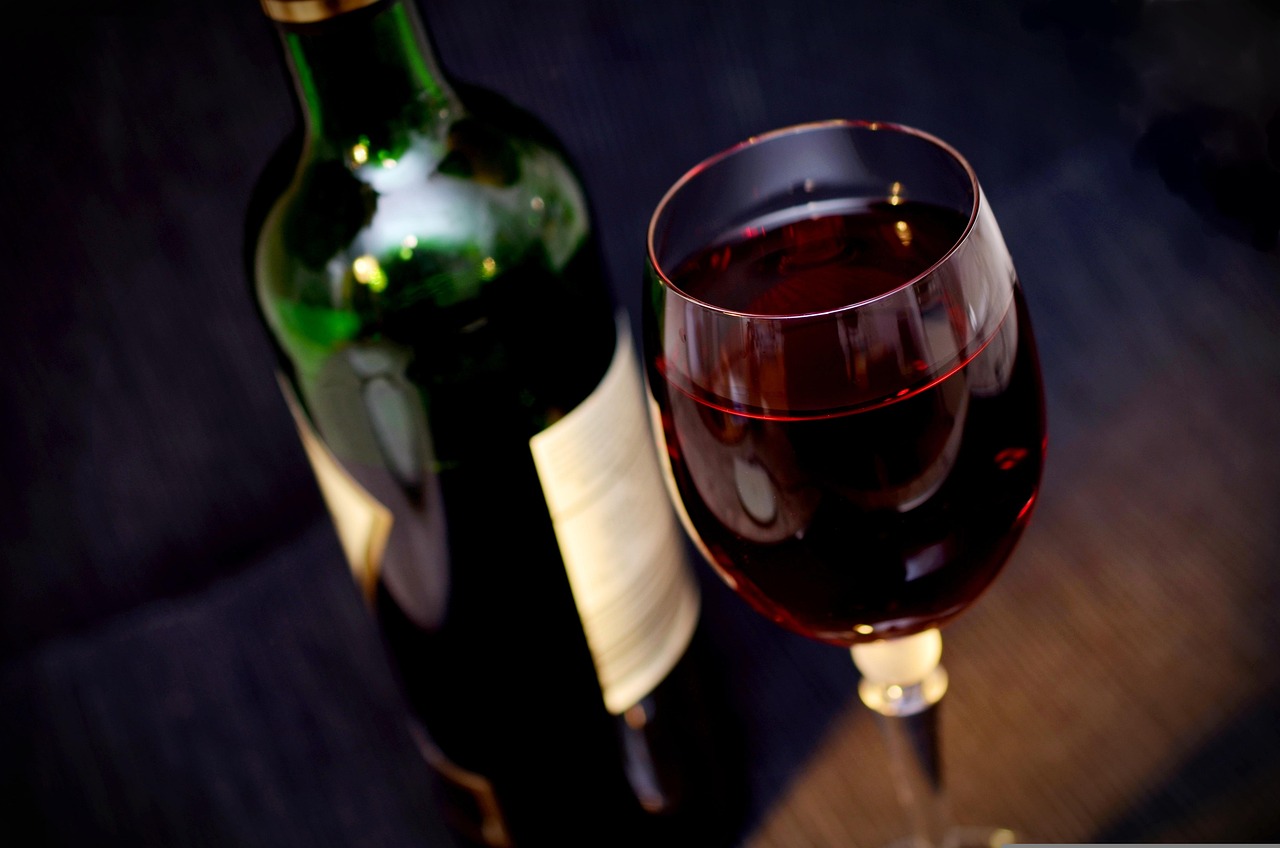
- Merlot's reputation was damaged by a decade of bland, over-produced examples in the late 1990s and early 2000s. The grape itself is not the problem — poor viticulture and over-cropping are. Quality Merlot is exceptional.
- Pomerol and Saint-Émilion on Bordeaux's right bank are the spiritual home of Merlot — producing wines of extraordinary richness and complexity, including Petrus (virtually 100% Merlot) and Cheval Blanc.
- Ticino, in southern Switzerland, produces excellent Merlot that is among the best Swiss wine of any colour. The canton's Italian-influenced culture and warm climate produce wines of real character.
- Merlot softens faster than Cabernet Sauvignon — it is approachable earlier but also has a shorter optimal drinking window. Drink most Merlot between four and twelve years of age.
Merlot is one of the most planted red grape varieties in the world, the foundation of Bordeaux's right bank, and — for a period in the early 2000s — the punchline of a joke in a film about wine. Its reputation has been complicated by the enormous volumes of mediocre Merlot produced globally in response to demand for an easy-drinking, accessible red. But the grape itself is not mediocre. When grown carefully, in the right places, it produces wines of extraordinary warmth and complexity.
The grape's character
Merlot is thinner-skinned than Cabernet Sauvignon, ripening earlier and producing wines with softer tannins, rounder texture, and more immediately accessible fruit. The classic profile: plum, black cherry, chocolate, and a velvety mouthfeel that makes young Merlot pleasant to drink before Cabernet Sauvignon has begun to open up.
Higher-quality expressions add complexity: dried herbs, tobacco, and — in the wines of Pomerol — a distinctive truffle and mocha richness that has no equivalent elsewhere. Merlot's naturally lower acidity compared to Cabernet Sauvignon gives it a rounder, more voluptuous feel in the mouth but means it ages rather than evolves: it softens and rounds, rather than developing the layered complexity that aged Cabernet Sauvignon achieves.
Bordeaux's right bank
Pomerol and Saint-Émilion, on Bordeaux's right bank, are the world's most prestigious Merlot-dominated appellations. Pomerol, a small plateau of clay over iron-rich gravel, is the home of Pétrus — effectively 100% Merlot grown from old vines on exceptional clay soil, produced in tiny quantities and representing one of the most coveted (and expensive) bottles in the world. Château Le Pin, Le Gay, and Lafleur are among the other estates producing Pomerol of extraordinary quality.
Saint-Émilion is larger and more varied, with the limestone plateau and clay soils of the best sites supporting both Merlot and Cabernet Franc. The two premiers grands crus classés A — Cheval Blanc and Ausone — demonstrate the range: Cheval Blanc is famous for its Cabernet Franc content; Ausone for its elegance and limestone terroir. Both are benchmarks for right-bank Bordeaux.
Merlot in Ticino
Switzerland's southernmost canton — Ticino, bordering Italy — has made Merlot its signature. The warm, Mediterranean-influenced climate of the Insubric Lakes district (Lugano, Locarno, Ascona) produces ripe, full-bodied Merlot wines that bear the VITI quality seal when they meet strict production standards.
Ticino Merlot is significantly different from both Bordeaux and Californian expressions: it tends toward a rounder, more immediately generous style with dark fruit and a slightly rustic earthiness that reflects the canton's Italian character. The best examples — from producers like Vinattieri, Tamborini, and Brivio — are wines of genuine complexity that compete with quality Italian red wine at comparable price points.
For Swiss wine lovers, Ticino Merlot represents an underexplored category: a high-quality Swiss red that has a completely different character from the Valais Pinot Noirs and Gamays that dominate the domestic red wine market.
The mass-market problem
The proliferation of cheap, over-cropped Merlot in the 1990s and 2000s — particularly from Chile, California, and the south of France — produced a generation of wine drinkers who associated the variety with thin, sweet, joyless red wine. The problem was never the grape; it was the economics of producing wine at the lowest possible cost from a variety that, when treated carelessly, loses its character completely.
Quality Merlot from a serious producer in the right appellation bears almost no resemblance to these mass-market expressions. The starting point for anyone who has written off Merlot: a right-bank Bordeaux from a good vintage, a serious Ticino wine, or a Merlot from a quality-focused Chilean producer in the Maipo or Colchagua valleys.
Tell the sommelier your budget — get a Merlot recommendation that shows the grape at its best.
Questions we get asked
Is Merlot a good wine?
Yes — at its best, it is exceptional. The right-bank Bordeaux wines of Pomerol and Saint-Émilion, including Petrus and Cheval Blanc, are among the world's greatest and most expensive red wines. The quality problem with Merlot is the volume of over-cropped, industrial Merlot produced in the 1990s and 2000s. Quality Merlot from a serious producer bears no resemblance to these commercial examples.
What does Merlot taste like?
Classic Merlot: plum, black cherry, chocolate, and a velvety, round mouthfeel with softer tannins than Cabernet Sauvignon. Quality expressions add dried herbs, tobacco, and a mocha richness. Right-bank Bordeaux adds truffle and earth. Ticino Merlot tends toward a darker, more rustic fruitiness.
What is the difference between Merlot and Cabernet Sauvignon?
Merlot has softer tannins, rounder texture, and riper, plummier fruit than Cabernet Sauvignon. It reaches drinkability earlier (three to five years for quality Merlot versus eight to twelve for serious Cabernet) and has a shorter optimal window. In Bordeaux, the two are almost always blended — the combination is more complete than either alone.
Where can I find good Swiss Merlot?
Ticino, Switzerland's Italian-speaking southern canton, is the home of Swiss Merlot. Look for wines bearing the VITI quality seal — a guarantee of Ticinese origin and minimum quality standards. Ticino Merlot is significantly undervalued relative to its quality and rarely found outside Switzerland.