Swiss Wine Regions: A Complete Guide
Switzerland produces more wine than most people outside Switzerland will ever taste. Geography, language, and altitude create six distinct wine cultures in one small country — each with something worth knowing.
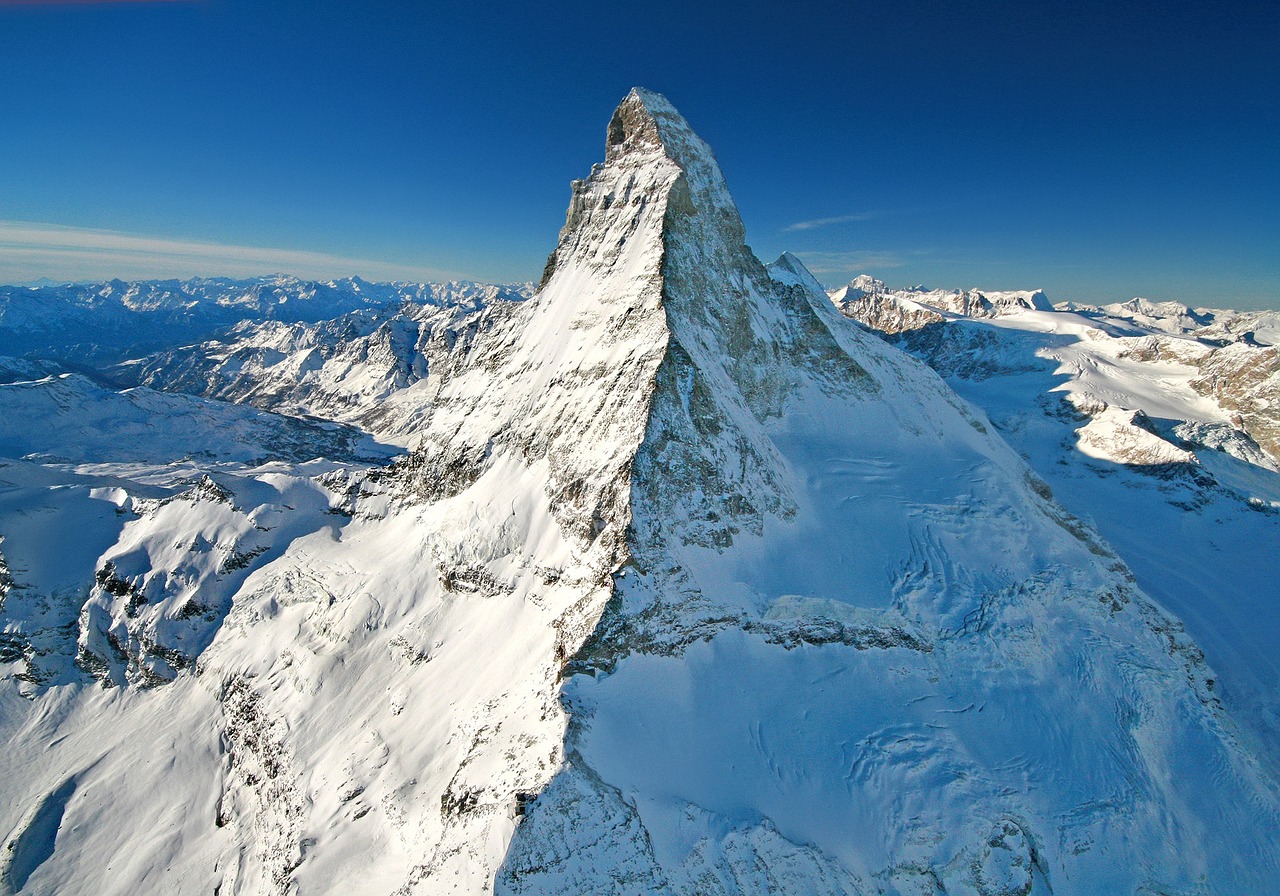
- Switzerland has six wine regions — Valais, Vaud, Geneva, German-speaking cantons (including the Graubünden and Zürichsee), Ticino, and the Three Lakes region. Each has a distinct climate, language, and winemaking culture.
- Chasselas is Switzerland's flagship white grape — the country grows more of it than anyone else in the world, and the terroir-sensitive variety tastes meaningfully different across regions and vineyards.
- Only about 1–2% of Swiss wine is exported — most is consumed domestically. This means Swiss wine is genuinely under-discovered at the international level, and the quality-to-price ratio in specialist shops can be excellent.
- Key Swiss reds: Pinot Noir (across the country), Gamay (mixed with Pinot in the Dôle blend), Merlot (Ticino), and indigenous varieties like Cornalin and Humagne Rouge (Valais).
Swiss wine's near-invisibility outside Switzerland is not a quality story. It is a geography story. Switzerland is small, the vineyards are steep and expensive to farm, and almost everything produced is consumed before it can leave the country. The Swiss are not exporting because they don't need to. The domestic market absorbs the production at prices that justify the effort, and foreign markets receive almost nothing. The consequence, for a wine lover in Switzerland, is access to something genuinely rare: a range of wines that the rest of the world mostly doesn't know about.
For a buyer in Switzerland, that scarcity is an advantage: you can buy Swiss wine online from a curated selection — Chasselas, Petite Arvine, Pinot Noir — with a sommelier to help you navigate it.
The Valais: Switzerland's powerhouse
The Valais is the largest wine-producing canton and the most important — an east-west valley following the upper Rhône, flanked on both sides by Alpine walls that create one of Europe's most extreme wine-growing climates: very high sunshine hours, very low rainfall, and significant temperature swings between day and night. The result is wines of unusual concentration and intensity for their latitude.
The signature white is Chasselas (called Fendant here), producing wines of delicate mineral character with a slight pétillance in youth. But the Valais also grows a remarkable range of indigenous varieties: Petite Arvine (saline, grapefruit-edged, the most distinctive Swiss white), Heida/Savagnin Blanc (grown at some of Europe's highest vineyards, above Visp), Cornalin (deep, dark, native red), Humagne Rouge (rustic, mineral, worth seeking out). The Dôle blend — Pinot Noir and Gamay, sometimes with other varieties — is the Valais's most produced red.
Vaud: Lavaux and the lake
Vaud stretches along the north shore of Lake Geneva, with the Lavaux UNESCO World Heritage vineyard terraces rising steeply above Lausanne and Montreux as the centrepiece. The lake moderates temperature and the south-facing terraces concentrate both sun and heat reflected from the water.
The wines here are almost entirely Chasselas — and this is where Chasselas shows what it can do at its finest. The four main Lavaux appellations (Lutry, Villette, Epesses, Saint-Saphorin) each produce wines with distinct profiles despite growing the same variety: Epesses tends toward mineral and tension; Saint-Saphorin is rounder and slightly richer. The contrast between two Lavaux Chasselas side-by-side is a convincing argument that terroir is real.
Geneva and the Three Lakes region
Geneva makes wine in the shadow of the Jura mountains, producing substantial quantities of Chasselas, Pinot Noir, and Gamay for the local market. The style is lighter and more delicate than the Valais. The Three Lakes region (Neuchâtel, Murten, Biel) is known for pale, precise Pinot Noir and the elegant Chasselas of Neuchâtel — with its traditional "étoilage" (light CO2) that gives the wine a barely perceptible spritz.
Neuchâtel also produces Oeil de Perdrix — a pale Pinot Noir rosé that is one of Switzerland's most distinctive wines, almost entirely unknown outside the country.
Ticino: Merlot south of the Alps
The Italian-speaking canton of Ticino sits south of the Alpine divide, in a different climate entirely — Mediterranean-influenced, warmer, higher rainfall. The dominant grape is Merlot, and it has found a genuine home here: the best Ticino Merlots (particularly DOC Ticino Merlot del Ticino) are structured, age-worthy wines with a quality that surprises many people expecting something light and simple.
The VITI label (an independent quality designation run by the canton's wine office) identifies wines that have passed a rigorous tasting. It's a reliable guide to the region's best bottles, covering both Merlot and the small range of other varieties planted (Cabernet Sauvignon, Syrah, Chardonnay).
German-speaking cantons
The German-speaking cantons — Graubünden, Aargau, Thurgau, Schaffhausen, and others — produce mostly Pinot Noir (called Blauburgunder here) and Müller-Thurgau. The best wines come from Graubünden, where the high-altitude Herrschaft region around Malans and Maienfeld produces some of Switzerland's finest Pinot Noir: elegant, cool, and capable of genuine ageing. The region is also the inspiration for the fictional home of Heidi — locals are fond of pointing this out.
Chasselas: the grape that defines Switzerland
No country in the world takes Chasselas as seriously as Switzerland, and no other country produces Chasselas of comparable quality. The variety is widely dismissed outside Switzerland as a thin, neutral table grape — because outside Switzerland, that's mostly what it is. On Swiss terroir, grown by producers who understand its possibilities, it produces wines of mineral precision, delicate effervescence, and terroir expressiveness that have no real parallel elsewhere. Start with a Lavaux Chasselas; compare it to a Valais Fendant; taste the difference.
Want to explore Swiss wine? Tell the sommelier which region interests you most and we'll find something in the current range.
Questions we get asked
Why is Swiss wine so hard to find outside Switzerland?
Production is small and almost entirely absorbed by the domestic market. Switzerland imports roughly three times as much wine as it exports — Swiss people drink a lot of wine, and prices in the domestic market are high enough that producers don't need to find export markets. The wines that do appear abroad are usually in specialist wine shops in Germany, Austria, the UK, and occasionally France.
What is Fendant?
Fendant is the Valais name for Chasselas — the same grape as the Vaud's Chasselas or the Lavaux appellations. Fendant tends to be slightly richer and more mineral than the Vaud versions, a product of the Valais's drier climate and richer soils. It's the automatic wine for raclette, fondue, and any Valaisan meal.
Which Swiss wine regions produce the best Pinot Noir?
The highest reputation currently goes to Graubünden (Herrschaft region around Malans and Maienfeld) for elegance and ageing potential. The Valais and Vaud both produce good Pinot Noir. Neuchâtel produces lighter, more delicate Pinot for early drinking and the Oeil de Perdrix rosé. The Zurich region is gaining attention for quality Blauburgunder from serious small producers.
Is Swiss wine expensive?
Yes, relative to comparable wine from France, Italy, or Spain. Steep slopes, small parcels, high labour costs, and the Swiss cost of living all push prices up. A good village-level Chasselas starts at CHF 12–18; a quality Petite Arvine or Cornalin CHF 20–35; serious single-vineyard or aged wines CHF 40–80. These are not cheap wines, but they are genuinely distinct — and within Switzerland, they represent fair value.