Ticino Wine: Switzerland's Merlot Country
Ticino is Switzerland's Italian-speaking canton south of the Alps — a different climate, a different language, and one dominant red grape: Merlot. The best bottles are more serious than most people expect.
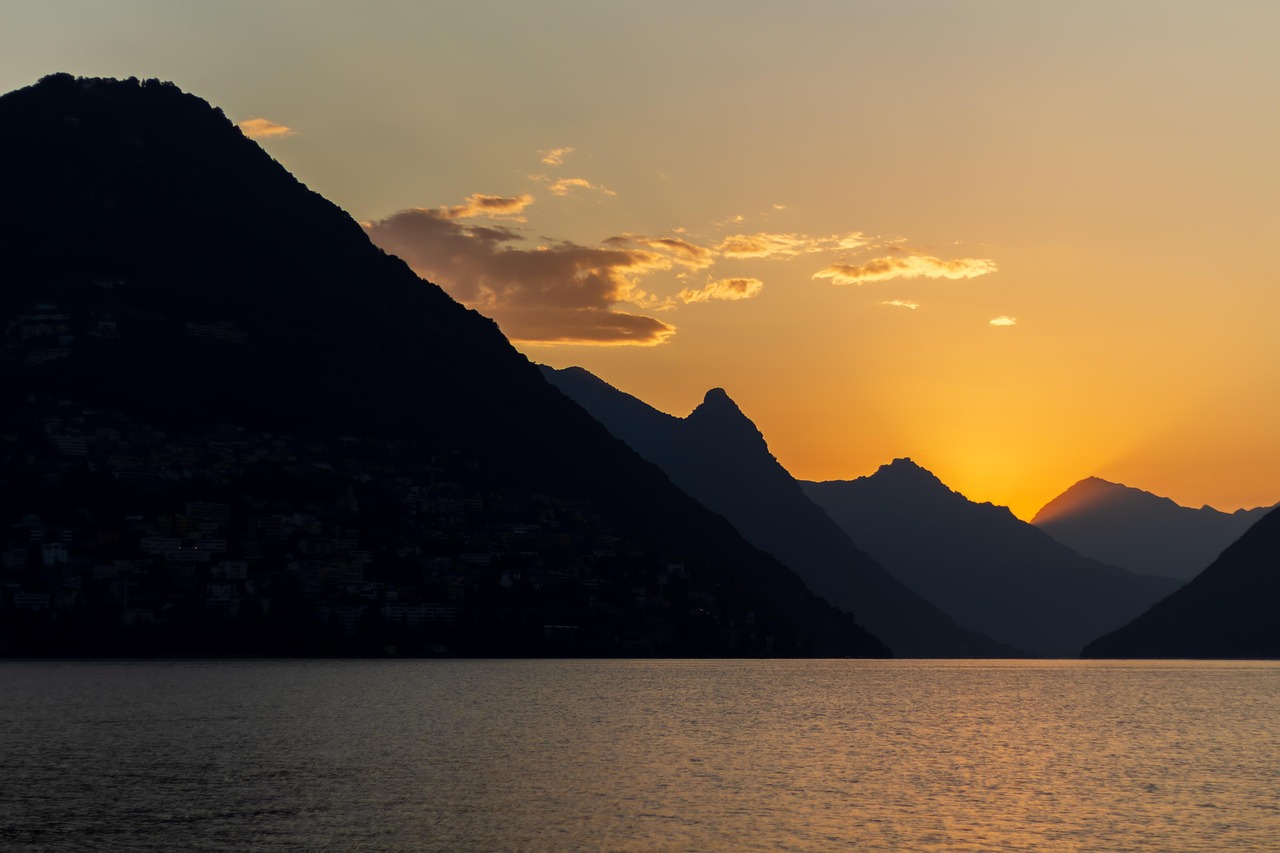
- Ticino produces almost entirely Merlot — the grape found its way here from Bordeaux in the late 19th century and has adapted so well that the canton now has a distinct Merlot style unlike Pomerol, Napa, or New Zealand.
- The DOC Ticino 'Merlot del Ticino' designation covers the whole canton; the independent VITI quality seal identifies wines that have passed a rigorous tasting commission — buy VITI-labelled bottles for confidence.
- The best Ticino Merlots — from producers like Daniel Huber, Christian Zündel, and Delea — are structured, age-worthy wines that can surprise drinkers expecting something light and uncomplicated.
- The climate is Mediterranean-influenced: warmer, wetter (120–150 rainy days per year), and more variable than the Valais — vintage quality matters more than in Switzerland's drier wine regions.
Cross the Gotthard and you enter a different Switzerland. The architecture changes, the palm trees appear, the lake shimmers in a light that doesn't quite exist north of the Alps. Ticino is Italian in character, geography, and gastronomy — and its wine is correspondingly different from what the German- and French-speaking cantons produce. The dominant grape is Merlot, planted here since the late 19th century as a replacement for varieties damaged by phylloxera. It has been here long enough to find its own voice.
Why Merlot in Ticino?
Merlot arrived in Ticino from Bordeaux in the 1890s, when phylloxera destroyed much of the local viticulture and producers needed a reliable, productive variety that could replace what had been lost. Merlot was early-ripening and adaptable — it suited the relatively warm, humid Ticino climate better than Pinot Noir or the indigenous northern varieties. It spread rapidly and now covers about 80% of the canton's planted area.
The Ticino style is not Pomerol and not Napa. The climate — warmer summers than north Switzerland, but with significant rainfall and humidity — produces Merlot that is richer and fruitier than the cool-climate expressions of northern Italy, but with a freshness and acidity that the warmer New World styles lack. When a Ticino producer gets it right, the result is plum-and-cherry fruit supported by firm tannin and a mineral earthiness that doesn't exist in comparable French or Australian Merlot.
The VITI quality seal
The most useful guide to Ticino wine quality is the VITI label — an independent quality certification run by the canton's wine promotion body. VITI-labelled wines have passed a rigorous blind tasting by an independent commission. The label appears as a neck or back-label seal and covers both Merlot and the small range of other varieties (Chardonnay, Cabernet Sauvignon, Syrah) produced in the canton.
Not all good Ticino wine carries the VITI label — some producers don't submit, either because they sell out domestically without needing the certification or because they disagree with the process. But it remains the most reliable indicator if you don't know the producer.
The producers
Daniel Huber in Monteggio is the most celebrated name in Ticino wine — a perfectionist who built his reputation on structured, concentrated Merlots that age better than almost any other Swiss red. His single-vineyard Montagna Magica is a benchmark. Christian Zündel in Beride produces refined, precise wines — arguably the most elegant style in the canton. Deleain Losone is a reliable larger producer with consistent quality across a range that includes some of the best VITI-rated wines available.
Tamborini and Valsangiacomo are both established names producing solid Merlot at accessible prices. Tenuta Montalbano makes wines from biodynamic viticulture. The cooperative Agriloro (formerly Cantina Sociale di Mendrisio) produces a vast range including some quietly excellent estate wines.
White wine in Ticino
White wine is a small footnote in Ticino — the climate suits Merlot far better than white varieties. Chardonnay, when it appears, is typically used for Blanc de Merlot (a white wine pressed from Merlot grapes, a local curiosity) or for straightforward barrel-fermented whites. Merlot Bianco — white wine made by pressing Merlot grapes without skin contact — is an interesting local specialty: copper-pink, light, and fresh, entirely different from anything you'd expect.
Vintage variation
The Mediterranean-influenced climate means rain and humidity are bigger risks in Ticino than in the Valais. Wet harvests (2002, 2014, 2021 in parts) can produce dilute, poorly structured wines; warm, dry vintages (2003, 2015, 2018, 2019) produce concentration and structure. Unlike the drier northern Swiss regions, vintage selection matters in Ticino — and a great estate wine from a poor vintage is likely to disappoint.
Food and Ticino wine
Ticino's cuisine is Italian in character — risotto, polenta, game, mushrooms, aged Formagella cheese, and the cured meats of the Mendrisiotto. Merlot del Ticino is an excellent match for all of these: the tannin and acidity handle the richness of polenta and risotto, while the dark fruit works with the intensity of game and aged cheese. A Ticino Merlot Riserva with a slow-braised venison is one of Switzerland's better pairings — food-wine harmony that few people outside the canton ever discover.
Looking for a Ticino wine? Tell the sommelier your budget and occasion and we'll recommend something from the range.
Questions we get asked
How does Ticino Merlot compare to French Merlot?
Different in a way that's easier to taste than describe. French Pomerol Merlot (the benchmark) is plush and velvety; Saint-Émilion is firmer. Ticino Merlot sits between these in fruit weight but with a more mineral, slightly more austere quality — the result of different soils and a climate that's warm but not as consistently hot as Pomerol. It's developed its own character over 130 years.
Is VITI certification reliable?
Yes, within its limits. VITI identifies wines that have met a minimum quality standard from a blind tasting — it rules out the worst and confirms the acceptable. It doesn't distinguish between a good VITI wine and an exceptional one. Use it as a floor, not a ceiling.
How long does Ticino Merlot age?
Entry-level Merlot del Ticino: 3–6 years. Riserva-level wines from good producers in strong vintages: 8–15 years, sometimes more. The structure is genuinely there for ageing in the best examples — Ticino Merlot's capacity for cellaring is underestimated.
What is Blanc de Merlot?
A white wine made by pressing Merlot grapes immediately and removing the skins — since Merlot's flesh is almost colourless, the result is a pale, fresh white wine rather than a red. It's a Ticino curiosity, not widely found elsewhere. Light, fruity, and best drunk young — a good conversation piece.