Valais Wine: Switzerland's Powerhouse
The Valais is Switzerland's most productive and most diverse wine canton — a narrow alpine valley where sunshine hours rival Bordeaux and indigenous grape varieties found nowhere else in the world produce some of Europe's most distinctive wines.
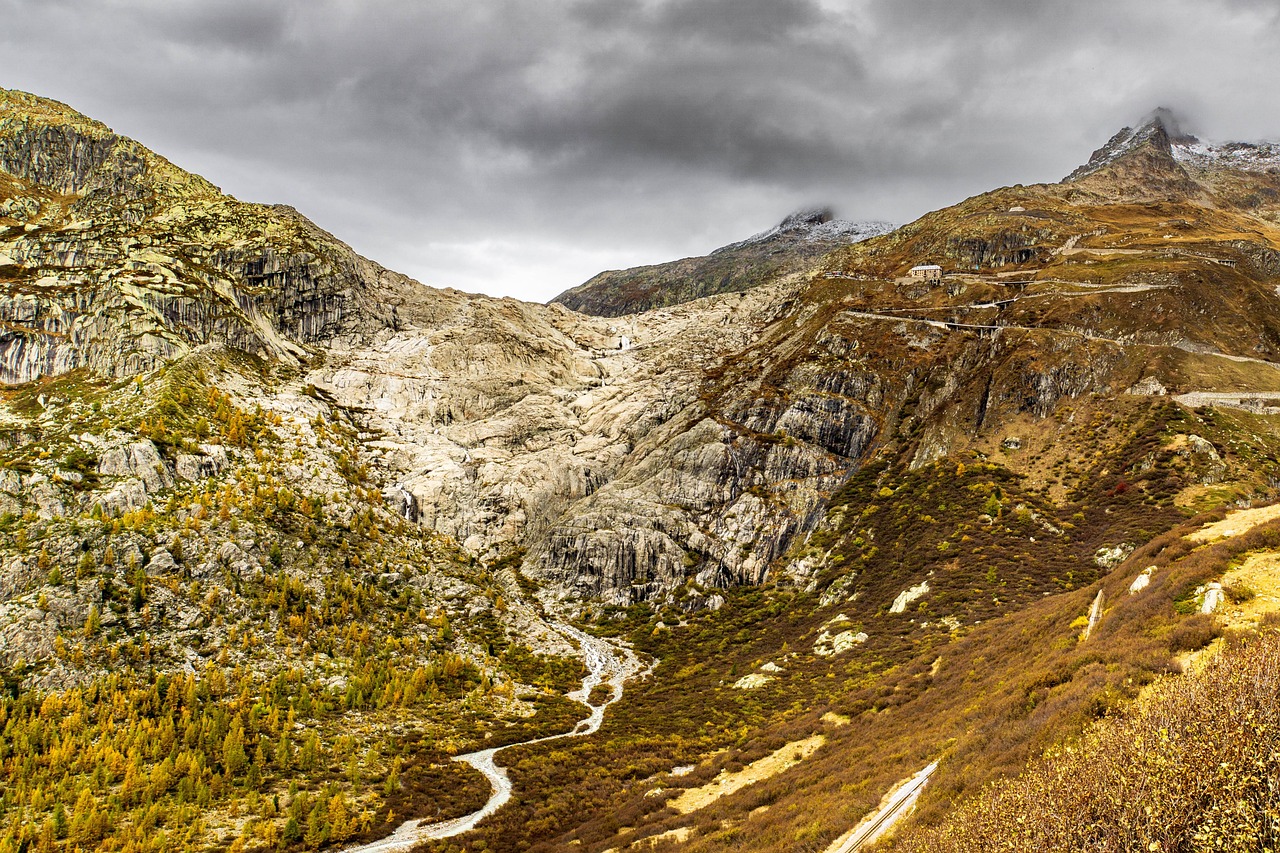
- The Valais is Switzerland's largest wine region, running along the upper Rhône from Brig to Martigny — a sun-trap valley with over 2,000 hours of sunshine per year and some of Europe's driest vineyard conditions.
- Chasselas (Fendant) is the dominant white, but Petite Arvine is the Valais's signature: saline, grapefruit-edged, age-worthy, and unlike anything else in France or Italy.
- Indigenous reds — Cornalin, Humagne Rouge, and the crossing Gamaret — give the Valais a unique wine identity that no other region can replicate.
- The Dôle blend (Pinot Noir and Gamay, minimum 50% Pinot) is the Valais's most-produced red — when well-made, it's one of Switzerland's best everyday wines.
The Rhône, before it becomes the wide river of Lyon and the Languedoc, is a narrow alpine torrent cutting through one of Europe's most dramatic viticultural landscapes. The Valais occupies the upper part of this valley — a geological anomaly where the surrounding peaks shelter the valley floor from Atlantic rain systems, producing a continental climate of extreme sunshine and minimal humidity. The vineyards are some of the highest in Europe, some of the driest, and many of the steepest. The wines that result are unlike anything made in similar quantities anywhere else.
Fendant: the everyday white
Fendant is the Valais name for Chasselas — a variety that elsewhere in the world is mostly a table grape, but in Switzerland reaches its only serious expression as wine. Fendant is dry, light, and faintly mineral, with a characteristic slight pétillance in youth and a very low 11–12% alcohol. It's not a complex wine — complexity is not the point. The point is that it refreshes the palate without competing with food. Next to a plate of raclette or a fondue, Fendant is nearly perfect.
The best Fendants come from single-vineyard sites in Sion, Conthey, and Fully. Producers like Marie-Thérèse Chappaz, Domaine Cornulus, and the better cuvées from Provins show what old-vine Chasselas can do: more texture, more mineral depth, a slightly longer finish. These are wines worth drinking carefully.
Petite Arvine: the Valais's gem
If Fendant is what the Valais does for everyday occasions, Petite Arvine is what it does for special ones. The variety is almost entirely unique to the Valais (with a small foothold in the Valle d'Aosta), and at its best it produces wines of genuine distinction: high acidity, a saline mineral quality on the finish (characteristic of the variety — winemakers call it the "salty finish"), grapefruit zest, white flower, and a texture that fills the mouth without feeling heavy.
Petite Arvine ages better than Fendant — a good example from Chappaz or Domaine des Muses can develop beautifully over 5–8 years. It's also the Valais's most versatile food wine: brilliant with fish, excellent with asparagus (one of the rare wines that works with this notoriously difficult vegetable), and surprisingly good with richer poultry dishes.
Heida and the high-altitude whites
Heida (Savagnin Blanc) is grown above Visp in the Visperterminen commune at up to 1,100 metres — among the highest vineyards in Europe. The wines are full-bodied for a white, faintly nutty (a quality the Jura's Savagnin shares), and have a brisk acidity that makes them excellent food wines. Johannisberg (Sylvaner) is another Valaisan specialty — quieter and softer than Petite Arvine, slightly richer than Fendant. Malvoisie(Pinot Gris) makes either dry, powerful whites or, in late-harvest versions, honeyed sweet wines of considerable elegance.
The indigenous reds
The Valais is unique in Europe for the diversity of its indigenous red varieties — varieties that exist almost exclusively within the canton.
Cornalin (called Rouge du Pays locally) is the most distinctive: deep colour, complex dark fruit, significant tannin in youth, and a capacity to age 8–15 years. It's not always easy to find, but wines from serious producers (Chappaz, Germanier, Domaine des Muses) are among the most individual reds produced anywhere in Switzerland.
Humagne Rouge is older still — a variety documented in the Valais since at least the 17th century, though genetic analysis suggests it may be much older. It produces rustic, tannic, mineral wines that repay patience. Traditionally drunk with game and aged cheese.
Gamaret and Garanoir are modern crossings developed at the Swiss research station in Changins — not indigenous in the ancient sense, but producing distinctly Swiss wines: deep colour, good tannin structure, and approachability that Cornalin and Humagne Rouge don't always offer.
Dôle: the Valaisan blend
Dôle is the Valais's most produced red: a blend of Pinot Noir (minimum 50%) and Gamay, sometimes with other red varieties. At its best — from a quality producer with genuinely ripe Pinot Noir — it's a supple, fruit-forward wine with soft tannins and good everyday drinking appeal. At its worst, it's thin and characterless. Look for producers who specify the Pinot percentage and treat the blend seriously; the cooperative Provins makes reliable examples at accessible prices.
The great estates
Marie-Thérèse Chappaz is the Valais's most celebrated producer — a pioneer of biodynamic viticulture whose Petite Arvine, Cornalin, and Ermitage (Marsanne) are benchmarks.Jean-René Germanier (particularly the Cayas Syrah and Amigne de Vétroz) is a reliable quality producer across a broad range. Cave du Rhodan, Simon Maye, and Domaine des Muses round out the producers worth tracking down.
To explore Valais wines online without navigating the region's full complexity alone, a curated selection — Fendant, Petite Arvine, Cornalin, Dôle — is available with expert guidance for every occasion.
Looking for Valais wine? Tell the sommelier whether you prefer white or red, and whether you want an everyday bottle or something special.
Questions we get asked
What is Amigne de Vétroz?
Amigne is a rare indigenous white variety grown almost exclusively in the commune of Vétroz, near Sion. It can be vinified dry, off-dry, or sweet (as Vendange Tardive or Grains Nobles). The dry version is fascinating — honeyed texture with unusual mineral complexity. The sweet versions are among Switzerland's most distinctive dessert wines. Production is tiny; prices are high. Worth seeking out.
How does Valais wine compare to wine from Vaud?
The Valais tends toward more concentration, higher alcohol, and richer texture than Vaud — the drier, sunnier climate produces riper grapes. Valais Chasselas (Fendant) is typically more mineral and full than Vaud Chasselas. For whites, the Valais has the more interesting range thanks to its indigenous varieties. For Chasselas at its most delicate and site-specific, Lavaux in Vaud is the reference.
What Valais wine should I buy as a gift?
Petite Arvine from Chappaz, Germanier, or Domaine des Muses is the ideal gift for a wine lover — distinctive, genuinely Swiss, and not something they'll have encountered elsewhere. Cornalin makes an excellent gift for red wine lovers. For something more accessible, a quality Fendant from a named producer shows what Swiss white wine can be.
What wine goes with Valaisan raclette?
Fendant is the traditional answer and the right one — it cuts through the fat without fighting the cheese. Petite Arvine also works well and adds more interest. If you want red, a light Dôle or a Pinot Noir from the Valais served slightly cool is acceptable; avoid anything with significant tannin, which becomes chalky and drying alongside melted cheese.