Nebbiolo: The Grape Behind Barolo
Nebbiolo is Piedmont's great red grape and one of the most demanding in the world — producing wines of extraordinary complexity and longevity that require patience, both from the vine and from the drinker.
- Nebbiolo is the grape behind Barolo and Barbaresco — two of Italy's greatest and most age-worthy red wines. It is demanding to grow, demanding to vinify, and demanding to drink: young Nebbiolo is often austere and tannic.
- Despite its dark reputation, Nebbiolo is deceptively pale in colour — lighter than many everyday reds — but with extraordinary tannic grip and acidity that enable decades of aging.
- The classic Nebbiolo aromatics: tar and roses. This is not a metaphor — the wine genuinely smells of dried rose petals and a mineral, almost tarry depth. With age, it develops into leather, tobacco, dried cherry, and truffle.
- Drink Barolo at ten years minimum. Entry-level Barolo from a modest vintage at five years is tight and ungratifying; the same wine at twelve years is a revelation. Langhe Nebbiolo (a lighter, earlier-drinking style) can be enjoyed at three to five years.
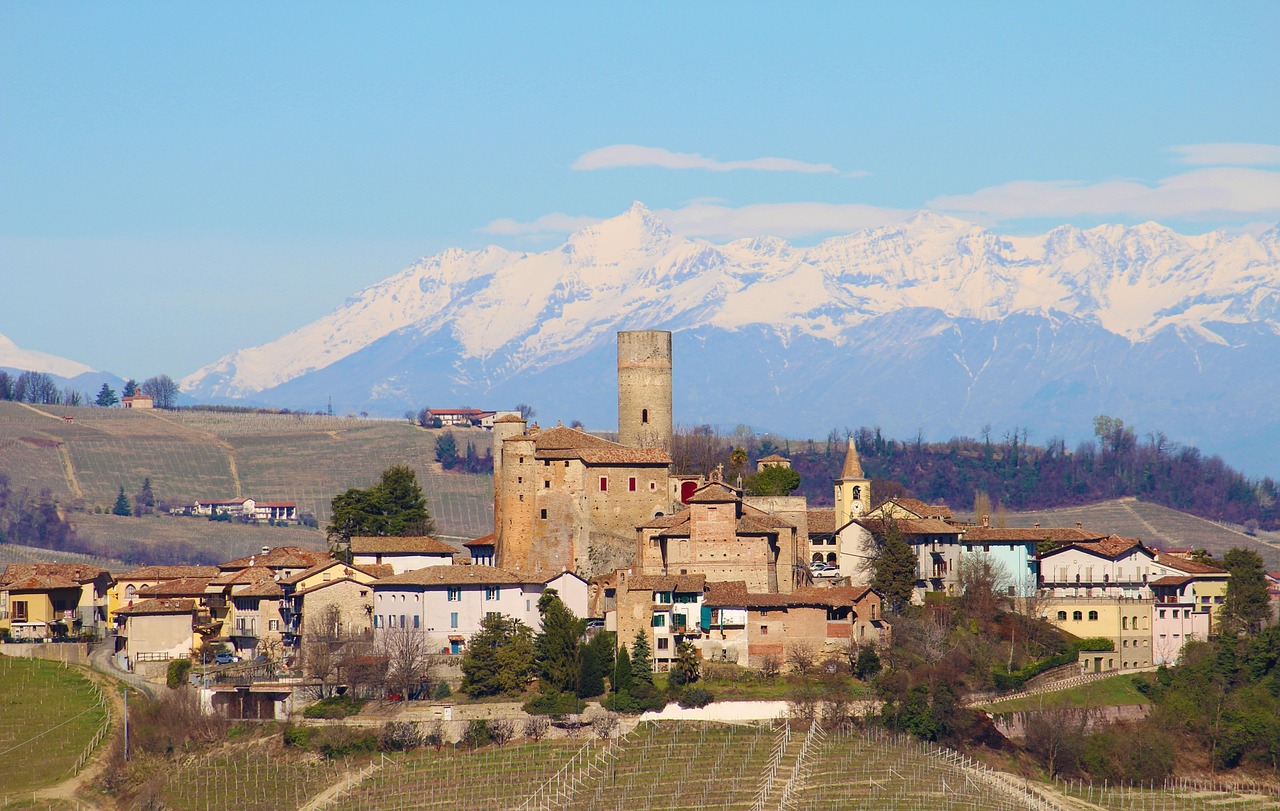
Nebbiolo takes its name from the autumn fog (nebbia) that settles over the Langhe hills of Piedmont in October — precisely when this late-ripening grape reaches harvest. It is a fittingly atmospheric etymology for a variety that produces wine of atmospheric, almost otherworldly complexity when given the time and conditions it requires.
Barolo and Barbaresco are the wines that made Nebbiolo famous. They are among the most age-worthy red wines in the world, capable of developing for twenty to thirty years in bottle, and producing — at their best — experiences of singular depth and beauty. They are also expensive, temperamental, and inaccessible to the impatient.
The grape's character
Nebbiolo is paradoxical in appearance: the wines are pale, often garnet with an orange rim even in youth, nowhere near the deep purple-black of a young Cabernet Sauvignon or Syrah. But beneath the pale colour lies extraordinary tannic structure and acidity — the combination that enables long aging and that makes young Nebbiolo feel almost brutally austere.
The classic aromatic profile — one of the most distinctive in wine — is described as tar and roses: a mineral, almost smoky depth alongside dried rose petals and red cherry. With age (and here age means a decade or more for serious Barolo), this primary character evolves into leather, tobacco, dried fig, liquorice, and truffle. The transformation is one of wine's most compelling aging processes.
Barolo: the king
Barolo, from eleven communes south of Alba in the Langhe, is described as the "king of Italian wines." Minimum aging requirements — at least 38 months for standard Barolo, 62 months for Riserva — mean the wine arrives on the market with some bottle age already. But this is not enough: serious Barolo needs eight to fifteen years from the vintage to begin showing its best, and great examples continue developing for thirty or more years.
The most prestigious communes — La Morra, Barolo, Castiglione Falletto, Serralunga d'Alba, and Monforte d'Alba — produce wines of different character. La Morra is considered the most perfumed and approachable; Serralunga d'Alba the most austere and long-lived. Single-vineyard Barolo (Crus) from producers like Giacomo Conterno, Bruno Giacosa, Bartolo Mascarello, and Giuseppe Mascarello are considered among Italy's greatest wines.
Barbaresco: the queen
Barbaresco, produced from Nebbiolo in three communes northeast of Alba, is sometimes called the "queen" to Barolo's king — slightly more feminine in style, reaching its peak somewhat earlier. Angelo Gaja's single-vineyard Barbarescos (Sorì San Lorenzo, Sorì Tildìn, Costa Russi) are among the most celebrated and expensive wines in Italy.
For drinkers approaching Piedmontese wine for the first time, Barbaresco can be a more accessible entry point than Barolo: slightly earlier to drink, and often available from quality producers at somewhat lower prices.
Langhe Nebbiolo: the entry point
Langhe Nebbiolo — a DOC that allows younger vines or less prestigious sites — produces wines from the same grape at a significantly lower price and with a much earlier drinking window. Typically CHF 20–35, drinkable at three to six years, and showing a lighter version of the Nebbiolo character. It is the ideal entry point for drinkers curious about Nebbiolo before committing to the patience and price that Barolo requires.
Tell the sommelier your budget and wine experience — get the right Nebbiolo for you.
Questions we get asked
What does Nebbiolo taste like?
Young Nebbiolo is often austere: pale in colour, high in tannin and acidity, with tar, dried rose petals, cherries, and violets. With age it develops leather, tobacco, truffle, and a complex earthiness that is unlike any other grape. It is not an easy wine young — the rewards come with patience.
What is the difference between Barolo and Barbaresco?
Both are 100% Nebbiolo from Piedmont. Barolo is produced from eleven communes south of Alba, with stricter ageing requirements and generally more power and structure. Barbaresco is produced from three communes north of Alba — smaller in production, often more elegant and slightly more accessible younger. Both are great; Barbaresco can be the easier entry point.
Is Barolo worth the money?
At the right age, yes — consistently. A well-chosen Barolo from a quality producer at ten to fifteen years is an experience that justifies its price. The problem is patience: most people open Barolo too young, when it is still tight and tannic. A Langhe Nebbiolo from the same producer is the smarter buy for drinking now.
What is Langhe Nebbiolo and is it worth trying?
Langhe Nebbiolo is a DOC wine from younger vines or less prestigious sites in Piedmont, made from the same grape as Barolo and Barbaresco at a fraction of the price (CHF 20–35). It shows the character of the grape — the acidity, the cherry fruit, the structure — without the ageing requirement. The best way to understand Nebbiolo without committing to a CHF 80+ bottle.