Sangiovese: The Heart of Tuscan Wine
Sangiovese is the grape behind Chianti, Brunello di Montalcino, and Vino Nobile — Italy's most widely planted red variety and the heart of Tuscan wine culture.
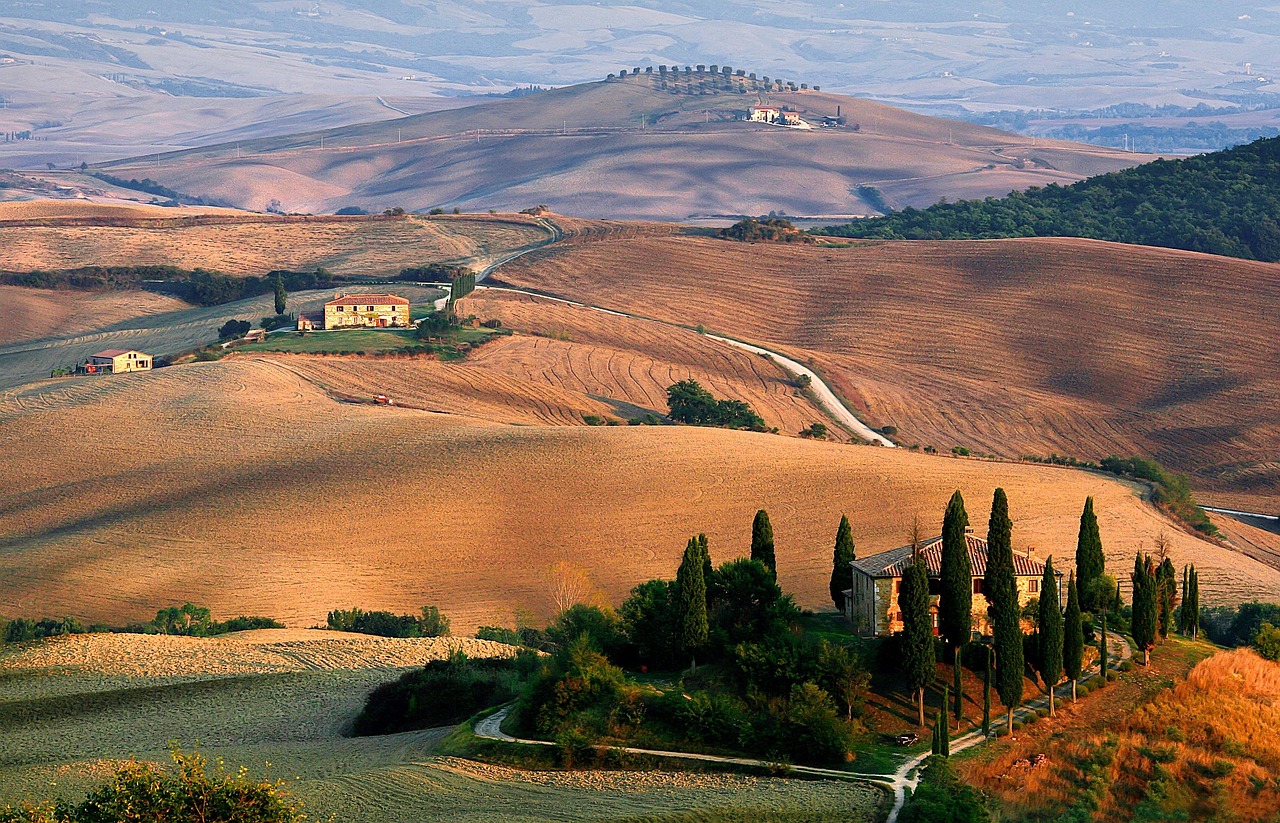
- Sangiovese is Italy's most widely planted red grape, appearing under different names across Tuscany and central Italy. The same grape that makes Chianti Classico also makes Brunello di Montalcino — in different clonal selections, soils, and winemaking contexts.
- The classic Sangiovese character: red cherry, dried herbs, tobacco, and a distinctive savoury bitterness on the finish that makes it one of the best food wines produced anywhere. High acidity and firm tannins ensure it works brilliantly with tomato-based sauces and fatty meats.
- Brunello di Montalcino is the most prestigious and age-worthy expression — the 100% Sangiovese wine from the Montalcino hilltop that needs a decade to show its complexity. Chianti Classico is the most accessible everyday expression.
- The Super Tuscans (Sassicaia, Tignanello) blended Sangiovese with international varieties (Cabernet Sauvignon, Merlot) outside the DOC system in the 1970s-80s — producing wines that changed Italian wine's international reputation entirely.
Sangiovese is one of the ancient genetic pillars of Italian viticulture — a variety so deeply embedded in Tuscany's wine culture that it appears in some form in almost every wine the region produces, whether labelled as Chianti, Brunello, Morellino, or a dozen other names. Understanding it is understanding the backbone of Italian wine.
The grape's character
Sangiovese is naturally high in acidity and tannin — qualities that, in less skilled hands, produce wines that are austere and unforgiving, but that, when managed well, provide the structure for wines that pair with extraordinary precision with food and age gracefully over decades. The characteristic aromatics: sour red cherry, plum, dried herbs (thyme, oregano), leather, tobacco, and a savoury bitterness on the finish that is distinctive and food-friendly.
The variety is highly sensitive to clonal selection (there are hundreds of Sangiovese clones, varying significantly in character), to vineyard elevation and aspect (the hilltop sites of Montalcino and Montepulciano moderate the climate), and to viticultural management. This sensitivity is part of why there is such variation between the wines labelled Sangiovese or made from it across Italy.
Chianti Classico: the everyday expression
Chianti Classico — the original Chianti zone between Florence and Siena — produces wines that range from pleasant everyday drinking to serious, age-worthy expressions of terroir. The DOCG requires at least 80% Sangiovese (most serious producers use 100%), and a tiered classification system (Chianti Classico, Gran Selezione, and Riserva) indicates quality level.
The Gran Selezione tier, introduced in 2014, represents single-vineyard or top-selection wines from the zone's best estates. Producers like Fontodi, Castell'in Villa, Isole e Olena, and Volpaia make Gran Selezione wines that rival serious Brunello in complexity.
Brunello di Montalcino: the prestige expression
Brunello di Montalcino is 100% Sangiovese Grosso (locally called Brunello) from the hilltop of Montalcino, south of Siena. The DOCG mandates long aging — at least five years before release (six for Riserva), including substantial time in oak — and the wines that emerge are among Italy's most age-worthy.
Great Brunello — from producers like Biondi-Santi (who created the appellation), Castelgiocondo, Canalicchio di Sopra, and Soldera — can age for twenty to thirty years, developing an extraordinary complexity of dried cherry, leather, tar, and truffle. Young Brunello (released at five or six years) is frequently too tannic and tight to show its character; the wines need five to ten more years of patience after purchase.
Rosso di Montalcino is the "second wine" of the appellation — released younger, less expensive, and often showing approachable Brunello character at two to five years. It is one of the best value categories in Italian wine.
Vino Nobile di Montepulciano
Vino Nobile, from the hilltop of Montepulciano (not to be confused with the Montepulciano d'Abruzzo grape, a completely different variety), uses the Prugnolo Gentile clone of Sangiovese. It sits between Chianti Classico and Brunello in style — more structured than the former, more approachable than the latter — and is frequently underrated relative to its quality.
The Super Tuscans
In the 1970s and 1980s, Tuscan producers frustrated by DOC regulations that mandated inferior grapes in Chianti blends began producing wines outside the appellation system, selling them as humble Vino da Tavola. Sassicaia (Cabernet Sauvignon dominant), Tignanello (Sangiovese blended with Cabernet Sauvignon and Cabernet Franc), and Ornellaia established what became known internationally as "Super Tuscans" — wines that transformed Italy's reputation for serious red wine globally and eventually earned their own IGT classification.
Food pairing
Sangiovese's high acidity makes it the definitive partner for tomato — the grape and the fruit share acidity levels that lock together naturally. Pasta with ragù, pizza, osso buco, bistecca alla Fiorentina, and any preparation with tomato sauce, olives, or capers works brilliantly. The savoury bitterness on the finish handles fatty meats and aged hard cheese (Parmigiano Reggiano, Pecorino) with particular effectiveness.
Tell the sommelier your budget and what you're eating — get a Sangiovese recommendation.
Questions we get asked
What does Sangiovese taste like?
Sangiovese has a characteristic profile of sour red cherry, plum, dried herbs (thyme, oregano), leather, and earthy complexity. High acidity and firm tannins are its structural signature. With age, it develops tobacco, dried roses, and a complexity that makes it one of Italy's finest red grapes.
What is the difference between Chianti and Chianti Classico?
Chianti is the broader appellation covering a large area of Tuscany; Chianti Classico is the historical heart of the zone, between Florence and Siena, with stricter production rules and longer ageing requirements. Chianti Classico is more reliably excellent; basic Chianti ranges widely in quality. Within Classico, the Gran Selezione category is the top tier.
How long does Brunello di Montalcino age for?
Brunello di Montalcino is one of Italy's most age-worthy wines. DOCG rules require at least five years of ageing before release (six for Riserva). The best examples from great vintages — 2010, 2012, 2016 — can develop for thirty to forty years. Most serious Brunello needs ten to fifteen years before it fully opens.
What food goes with Sangiovese?
Sangiovese's high acidity makes it the definitive partner for tomato-based dishes — the grape and the fruit share acidity and lift each other. Chianti with pasta in a meat ragù is one of wine's most reliable pairings. Brunello handles richer game, lamb, and aged cheeses.