What Wine Goes With Pasta
Pasta is Italy's most adaptable dish and wine is Italy's most adaptable drink. The combination works across almost the entire spectrum — once you understand that the sauce, not the pasta, drives the pairing.
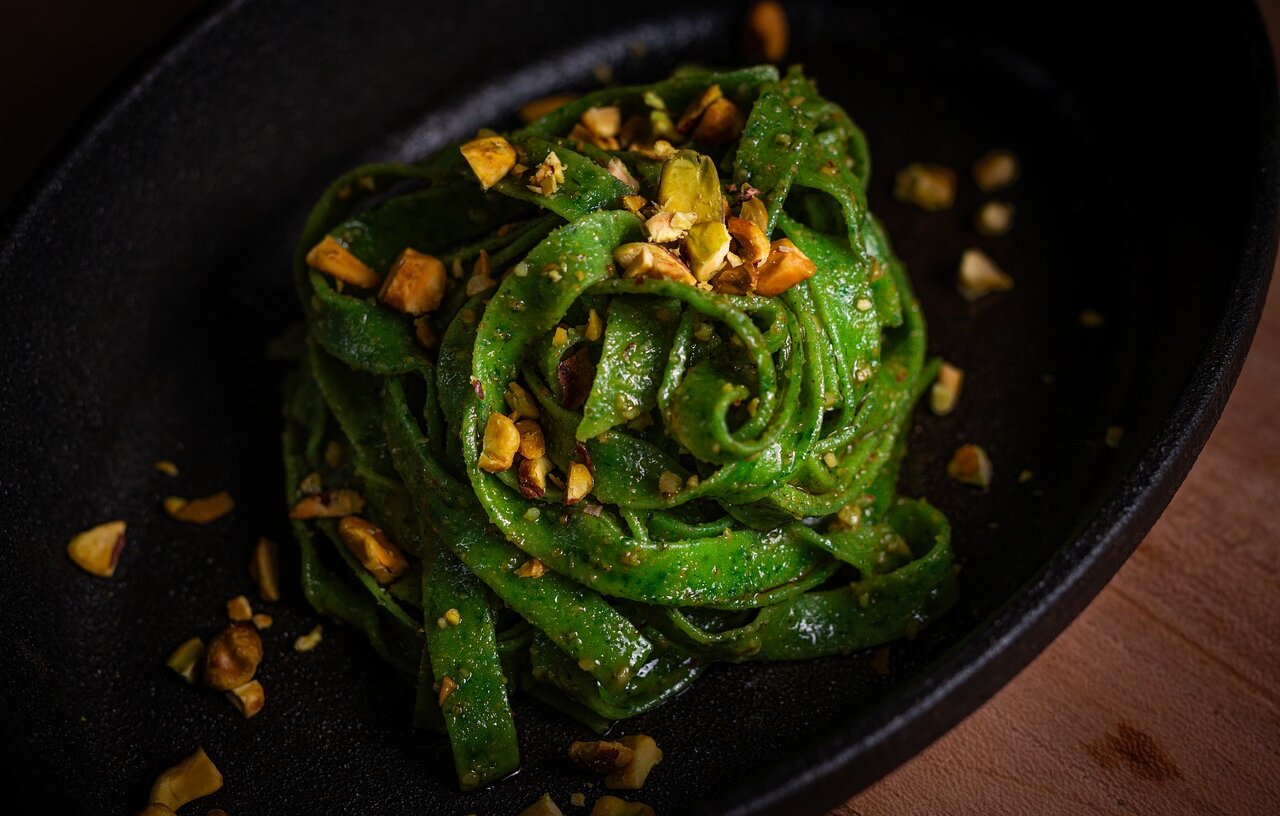
- The sauce determines the wine, not the pasta shape. A creamy carbonara calls for a different wine than a spicy arrabbiata — even though both are pasta dishes.
- Tomato-based sauces need a wine with enough acidity to match the tomato — Italian reds (Chianti, Barbera, Montepulciano d'Abruzzo) work so well because their natural high acidity matches the tomato.
- Cream and butter sauces (carbonara, Alfredo, cacio e pepe) call for richer whites or light reds — something with body enough to match the richness but not so tannic that it clashes.
- Meat ragù (Bolognese, wild boar, lamb) want medium-to-full reds with acidity: Chianti, Barbera d'Asti, Rosso di Montalcino, or a solid Montepulciano d'Abruzzo.
The golden rule: ignore the pasta, follow the sauce. Tagliatelle Bolognese and tagliatelle with butter and sage use the same pasta in the same shape. One calls for a medium-bodied Italian red; the other for a gentle white or even a light red. The noodle is a vehicle; the sauce is the flavour.
Tomato-based sauces
Tomato is acidic. The wine needs to match that acidity, or the food will make the wine taste flat. Italian reds evolved alongside tomato-based cooking for exactly this reason — Sangiovese (Chianti, Rosso di Montalcino), Barbera, and Montepulciano d'Abruzzo all have naturally high acidity that harmonises with tomato rather than fighting it.
Pasta al pomodoro (simple tomato, basil): a light Chianti Classico or a Barbera d'Asti. Nothing too heavy — the dish is simple.
Arrabbiata (spicy tomato): the spice pushes you toward lower alcohol and fresher fruit. A light Montepulciano d'Abruzzo or even a dry rosé works well. Avoid heavy, oaky reds — the alcohol amplifies the heat.
Puttanesca (olives, capers, anchovies, tomato): intense, salty, complex. A rustic Italian red with character — Primitivo, a firm Aglianico, or a good Nero d'Avola from Sicily. The wine needs flavour intensity to match the sauce's force.
Meat ragù
Bolognese — the classic meat sauce with pork and beef, often with wine and milk — wants a medium-bodied red with good acidity and structure. The regional answer is Sangiovese di Romagna or a Barbera d'Asti. From outside Italy: a Loire Cabernet Franc (Chinon, Bourgueil) is an interesting alternative.
Wild boar ragù (cinghiale) — stronger, gamier flavour. Step up to a Chianti Classico Riserva or a Rosso di Montalcino. The game note in the sauce needs a wine with a little more complexity.
Neapolitan ragù (slow-cooked, long tomato and meat) — the richest of the meat sauces. A full Aglianico from Campania (Taurasi, if you can find it) is the regional answer, but a good Côtes du Rhône or even a Malbec also works.
Cream and butter sauces
Carbonara (egg, guanciale, Pecorino) — rich, fatty, salty. You want acidity to cut through the richness without fighting the delicate egg. A full-bodied white with good acidity: Pinot Grigio from Friuli, a good Verdicchio, or a white Burgundy. Alternatively, a light Pinot Noir.
Cacio e pepe (Pecorino, black pepper) — intense, simple. A medium-bodied white (Trebbiano Toscano, Greco di Tufo) or a light, chilled red. The pepper wants something that matches its freshness without overwhelming.
Alfredo / truffle butter — the richest of the butter sauces, especially with truffle. A good white Burgundy or an aged Chenin Blanc. If truffle is involved: Barolo is the Italian pairing (truffle and Nebbiolo is one of food and wine's great matches).
Seafood pasta
Spaghetti alle vongole (clams) — the benchmark white wine pasta dish. Crisp, mineral, dry white: Vermentino, Verdicchio, a good Soave, Muscadet sur lie, or Chablis. Nothing oaky. The brininess of the clams is amplified beautifully by mineral whites.
Pasta with prawns or lobster — slightly richer. A full Pinot Grigio, a white Burgundy, or a Viognier for a more aromatic option.
Pasta al nero di seppia (squid ink) — intensely savoury and briny. A crisp Sicilian white (Grillo, Catarratto) or Vermentino from Sardinia.
Cooking tonight? Tell the sommelier what pasta dish you're making and we'll find the ideal match in the cellar.
Questions we get asked
What wine goes with pasta Bolognese?
A medium-bodied Italian red with good acidity: Barbera d'Asti, Sangiovese di Romagna, or basic Chianti Classico. From outside Italy: a Loire Valley Cabernet Franc (Chinon, Bourgueil) is an excellent alternative.
Can you drink white wine with pasta?
Absolutely — for creamy sauces, seafood pasta, and simple butter-based dishes, white wine is usually the better choice. For most cream and seafood pasta dishes, a good Italian white (Verdicchio, Greco di Tufo, Pinot Grigio from Friuli) is the natural choice.
What about pasta with pesto?
Basil pesto is herbaceous and oily — it needs a dry, crisp white with herbal character. Vermentino from Liguria (pesto's home) is the traditional answer. Sauvignon Blanc from the Loire also works. Avoid heavy reds and oaky whites.
Which Italian wine is most versatile for a pasta dinner?
Barbera d'Asti — high acidity, low tannin, vivid cherry-and-plum fruit. It handles tomato-based sauces, meat ragù, and even cream sauces better than most Italian reds. Drink within 5 years, lightly chilled in summer.