What Wine Goes With Pizza
Pizza and wine is one of the most underrated pairings in food culture. Italy figured this out centuries ago. The answers are simple, affordable, and genuinely delicious.
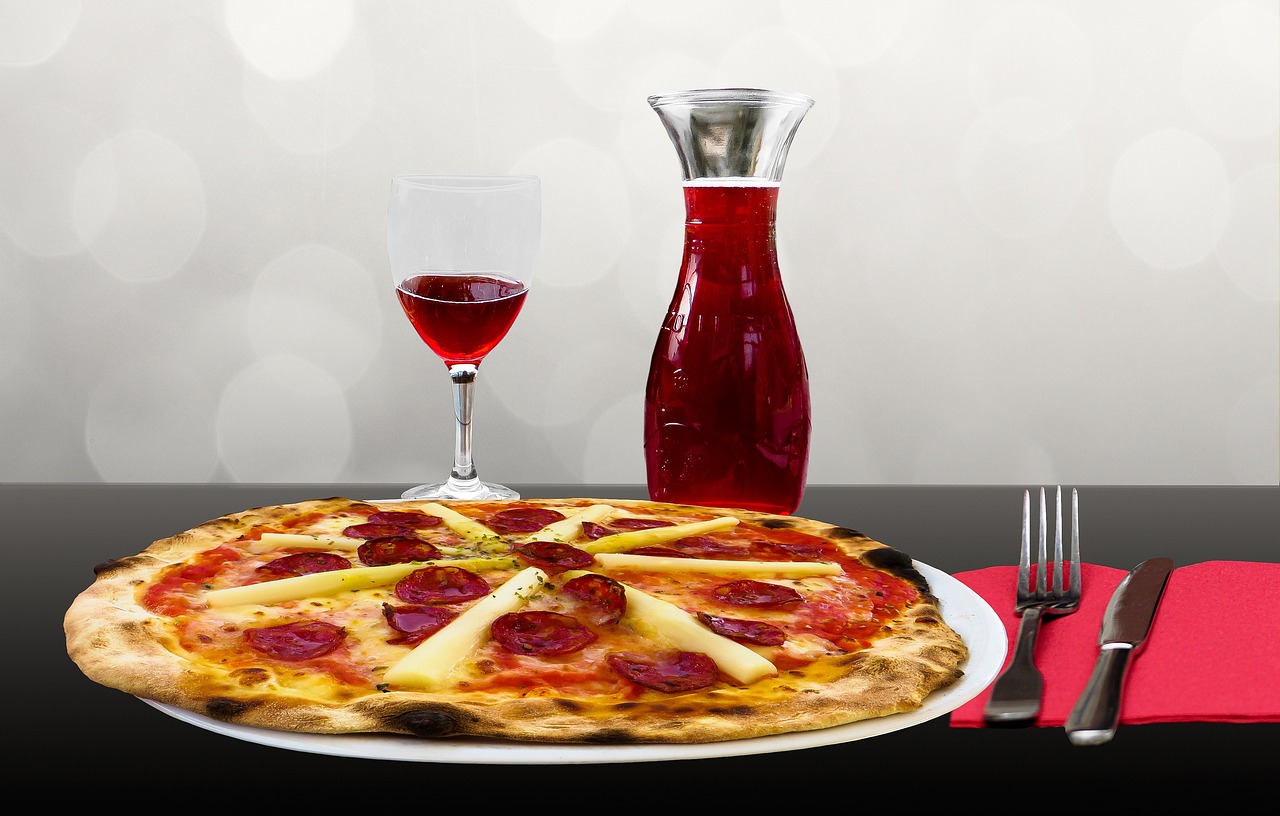
- Tomato-based pizza (Margherita, Napolitana, most classics) needs a wine with high acidity to match the tomato — Italian reds like Barbera, Montepulciano d'Abruzzo, and light Chianti are the natural answer.
- White pizza (no tomato, cream or olive oil base) pairs well with fuller whites or light reds — the richness of the cheese needs body in the wine, but without the tomato there's no acidity matching required.
- Sparkling wine — Prosecco, Lambrusco, or a Crémant — is an underrated pizza choice. The bubbles cleanse the palate between bites and cut through the fat of the cheese.
- Don't overthink it. The best pizza wine is the one that's cold enough, not too tannic, and makes you want another slice.
Italians drink wine with pizza and don't make it complicated. They pour whatever's light and local, make sure it's cool enough, and move on to arguing about the dough. The sophistication — which exists — is in the making, not the pairing. That said, there are better and worse choices, and understanding why helps you pick reliably rather than randomly.
For tomato-based pizza
The dominant flavour in a Margherita, Napolitana, or most classic pizzas is tomato — specifically, cooked tomato with a significant acidity. The wine needs to match that acidity, or the wine tastes flat by comparison. Italian reds do this naturally.
Barbera d'Asti — the ideal everyday pizza wine. High acidity, low tannin, cherry and plum fruit, modest alcohol. Slightly chilled (13–14°C) in summer. Drink it young. One of Italy's most honest food wines.
Montepulciano d'Abruzzo — slightly darker and more rustic than Barbera, but the same high-acidity principle applies. Usually excellent value. The DOC wines from serious producers (Valentini, Emidio Pepe) are a different category entirely, but even basic bottles work well.
Light Chianti — the youngest, most basic Chianti works perfectly: the Sangiovese acidity meets the tomato, the tannin is gentle enough to not clash with the cheese. Don't open a Gran Selezione with pizza — it's wasted.
Lambrusco — the sparkling red from Emilia-Romagna is deeply unfashionable and completely excellent with pizza. The bubbles, the acidity, the slight sweetness in some styles — all work. Go for a dry (Secco) Lambrusco di Sorbara for the most interesting version.
For white pizza
White pizza — Bianca, quattro formaggi, pizza with cream base — lacks the tomato's acidity but has even more richness from the cheese. You need body in the wine to match, but you don't need the same acidity matching.
A good Verdicchio dei Castelli di Jesi or a Falanghina from Campania works beautifully — enough texture to handle the cheese, crisp enough to cut through the richness. A light Pinot Grigio from Friuli is also reliable.
For quattro formaggi specifically (four cheeses, very rich): a slightly bolder white — a white Burgundy, or an unoaked Chardonnay — holds up to the richness.
Sparkling wine with pizza
Better than most people expect. Prosecco is too sweet for most savoury pizzas, but a quality Crémant d'Alsace or a Blanc de Blancs Champagne is excellent — the acidity and bubbles cleanse the palate between bites in a way that still wine doesn't quite manage. If you have good Champagne and a great pizza (not a frozen one), this pairing is one of wine's quiet pleasures.
What to avoid
Very tannic reds (Barolo, young Bordeaux, heavy Australian Shiraz) are too much. The tannin fights the cheese and overwhelms the pizza's relatively delicate flavours. Very sweet wines are wrong. Very oaky whites fight the tomato. The easiest rule: choose something light, Italian, and acidic, and you'll be right every time.
Pizza night? Tell the sommelier what's on the menu and we'll find the right bottle for the evening.
Questions we get asked
What's the best wine for a pizza night with friends?
Buy something unpretentious and delicious: Barbera d'Asti or a solid Montepulciano d'Abruzzo. Chill it slightly. Open multiple bottles. For white pizzas, add a Verdicchio. For something fun and different: dry Lambrusco di Sorbara.
Does Chianti really go with pizza?
Yes — a basic, young Chianti is one of Italy's most reliable pizza wines. The Sangiovese acidity matches the tomato and cuts through the mozzarella. Don't open anything expensive or aged — pizza doesn't show the wine's complexity anyway.
Can rosé work with pizza?
Very well, especially in summer. A dry Provence rosé or a Tavel cuts through the cheese and matches the tomato's freshness. Rosé is also versatile across a table of different pizza styles.
What about deep-dish pizza?
Deep-dish has more dough, more cheese, more sauce — move up in body. A fuller Barbera, Rosso di Montalcino, or solid Côtes du Rhône. Avoid delicate wines — they disappear against deep-dish's richness.