Old World vs New World Wine
Old World vs. New World is the most useful shorthand in wine — not because it predicts exactly what's in the bottle, but because it tells you how the winemaker thinks.
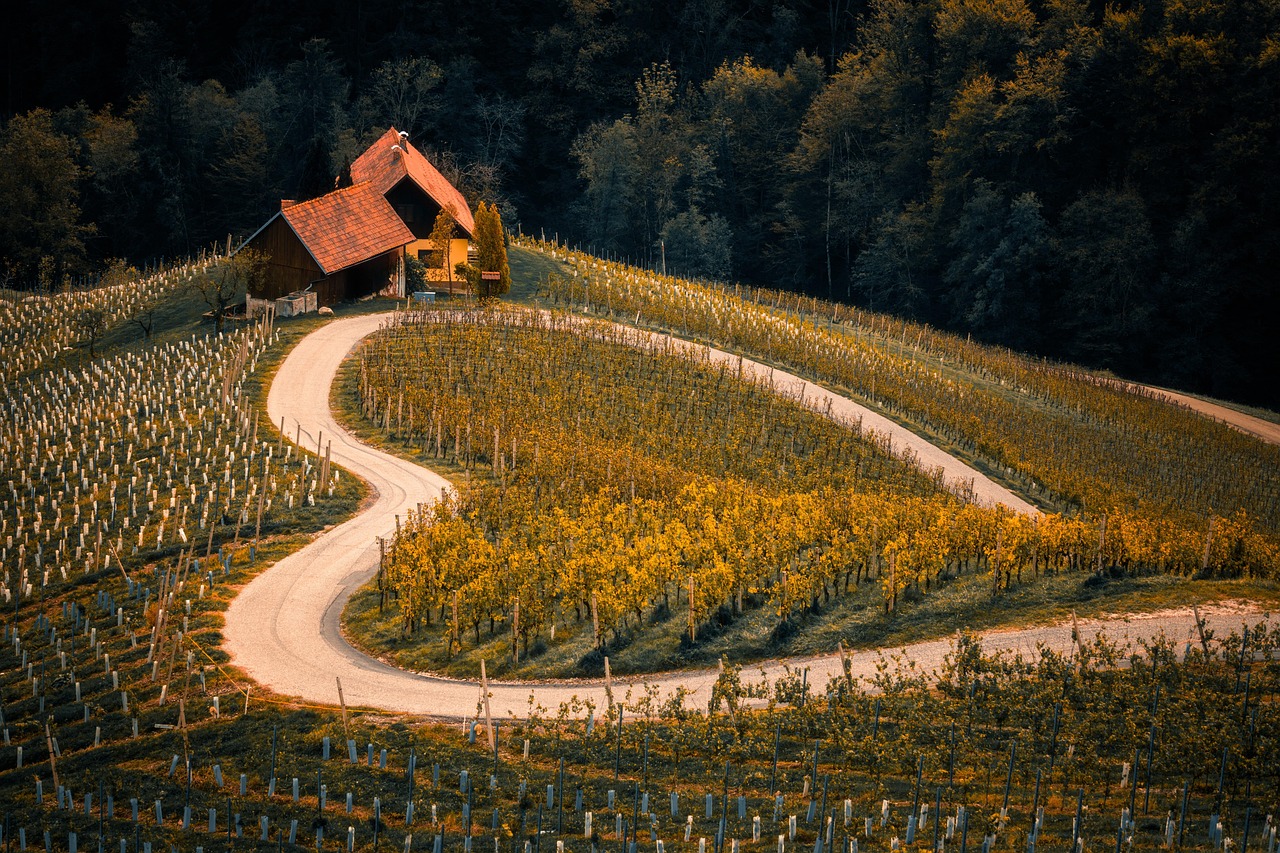
- Old World (Europe) wines tend to be leaner, more acidic, and earthier — made to reflect place. New World wines tend to be riper, fuller-bodied, and more fruit-forward.
- The distinction is as much about philosophy as geography. An Australian winemaker making Burgundy-style Chardonnay is 'Old World in thinking.'
- Neither is better. They suit different moods, different foods, and different palates.
- The gap has narrowed significantly. The most interesting wines today borrow from both traditions.
The terms "Old World" and "New World" are shorthand, and like all shorthand they simplify. But they're useful shorthand, because they tell you something real about how a wine was conceived — what the winemaker was trying to achieve, what they consider important, and therefore what you're likely to find in the glass. Understanding the distinction makes navigating a wine list considerably easier.
What the terms actually mean
Old World refers to the traditional winemaking regions of Europe: France, Italy, Spain, Germany, Austria, Portugal, Greece, and their neighbours. These regions have centuries or, in some cases, millennia of winemaking history. Their appellations, their rules, their varieties, and their styles evolved over generations of accumulated knowledge and cultural practice.
New World refers to regions where winemaking was introduced or developed on a commercial scale relatively recently: the United States (especially California), Australia, New Zealand, Argentina, Chile, South Africa. The earliest of these began serious commercial winemaking in the 18th and 19th centuries; others in the 20th.
The geographical divide is real, but the more important divide is philosophical. There are winemakers in California who make Old World-style wines in a very deliberate way, and winemakers in southern France who are making fruit-forward, oak-heavy wines that would feel comfortable on a supermarket shelf in Melbourne. The geography gives you a starting point; the winemaker's philosophy determines the result.
Old World characteristics
Old World wines are typically shaped by the idea of terroir — that the wine's primary job is to express where it was grown. This produces wines that tend to be:
Higher in acidity. Cooler European climates and a focus on picking grapes before maximum ripeness means Old World wines retain more natural acidity. This makes them leaner and more food-friendly.
Lower in alcohol. Less-ripe grapes contain less sugar to convert to alcohol. A typical Burgundy is 12–13.5%; a typical Napa Cabernet is 14–15.5%.
More savoury and earthy. Concepts like minerality, chalk, iron, forest floor, and earthiness are more likely to appear in Old World wines. These are flavours of the place, not just the grape.
Named by region, not grape. Bordeaux, Barolo, Châteauneuf-du-Pape — the label tells you where it's from, and assumes you know what grows there.
Restrained fruit. The fruit in Old World wines is real, but it competes with other elements. A Burgundy might have cherry and earth in equal measure. A Mosel Riesling might show citrus cut with slate and minerals.
New World characteristics
New World wines typically prioritise fruit expression and consistency. The winemaker is often more interventionist — using technology, precise temperature control, specific commercial yeasts — to achieve a predictable style every year. This produces wines that tend to be:
Riper and more fruit-forward. Warmer climates (and, historically, a preference for picking grapes at full phenolic ripeness) mean New World wines lead with fruit. Blackcurrant, plum, dark cherry, tropical fruit — these dominate, with less competition from earthiness or savoury notes.
Higher in alcohol. Warmer climates, later picking — more sugar, more alcohol.
More consistent vintage to vintage. Warmer, more predictable climates mean New World wines vary less between years. This is commercially useful — a buyer in Switzerland knows what to expect from a specific label year to year. It can also make the wines less interesting.
Labelled by grape, not region. Marlborough Sauvignon Blanc. Barossa Valley Shiraz. The grape variety is front and centre.
More new oak influence. New World winemakers have historically used more new oak — both for flavour (vanilla, coconut, toast) and as an aesthetic choice. This is changing; many top New World producers are moving toward lighter oak treatment.
Where the distinction matters in practice
If you're pairing wine with food: Old World wines, with their higher acidity and leaner structure, are almost always better choices. The French and Italian traditions of matching regional wine with regional food exist for a reason — acidity cuts fat, earthiness complements savouriness, lower alcohol means you can drink through a long meal.
If you're drinking without food: a riper, fuller-bodied New World red or white can feel more immediately satisfying — the fruit is generous and accessible without needing anything on the plate.
If you're a beginner: New World wines are often easier to enjoy immediately because the fruit is obvious and the structure is less austere. Old World wines can seem thin or even unpleasant at first, until you understand what they're doing and how they work with food.
The gap is closing
The Old World vs. New World distinction was clearest in the 1980s and 1990s, when Californian and Australian winemakers were deliberately competing with Europe using ripeness and oak as their weapons. Today, the gap has narrowed considerably. New World producers have moved toward more restrained, terroir- focused styles. Old World producers — especially in the south of France, southern Italy, and Spain — are making wines with more New World friendliness. The most interesting bottles today tend to sit somewhere between the two traditions.
Tell our sommelier your usual go-to and we'll suggest the Old World equivalent to try next.
Questions we get asked
Is one style objectively better?
No. Old World wines are built around the dinner table; New World wines often work better as standalone drinks. At the highest levels, the finest New World wines compete directly with the best of Europe. Personal preference is the deciding factor.
What about Switzerland — is it Old World or New World?
Firmly Old World — Switzerland has a winemaking history going back to Roman times. Swiss wines share Old World characteristics: high acidity, lean structure, mineral quality, and regional specificity. Chasselas, the dominant Swiss white, barely exists commercially anywhere else.
Why do some people prefer one over the other?
Often it comes down to early exposure. Drinkers raised on Old World wines find New World ones over-ripe; drinkers who started with New World find Old World lean and puzzling. Both reactions describe real differences. Try both with and without food to discover when each works best.
Are natural wines Old World or New World?
Natural wine is primarily an Old World movement, centred in France, Italy, and Georgia, but there are natural winemakers in Australia, South Africa, and elsewhere. It's its own category that cuts across the divide.