A Beginner's Guide to Rosé
Rosé is the most misunderstood wine style — dismissed as frivolous by some, over-fashionised by others. At its best, it is one of the most versatile and pleasurable wines made anywhere.
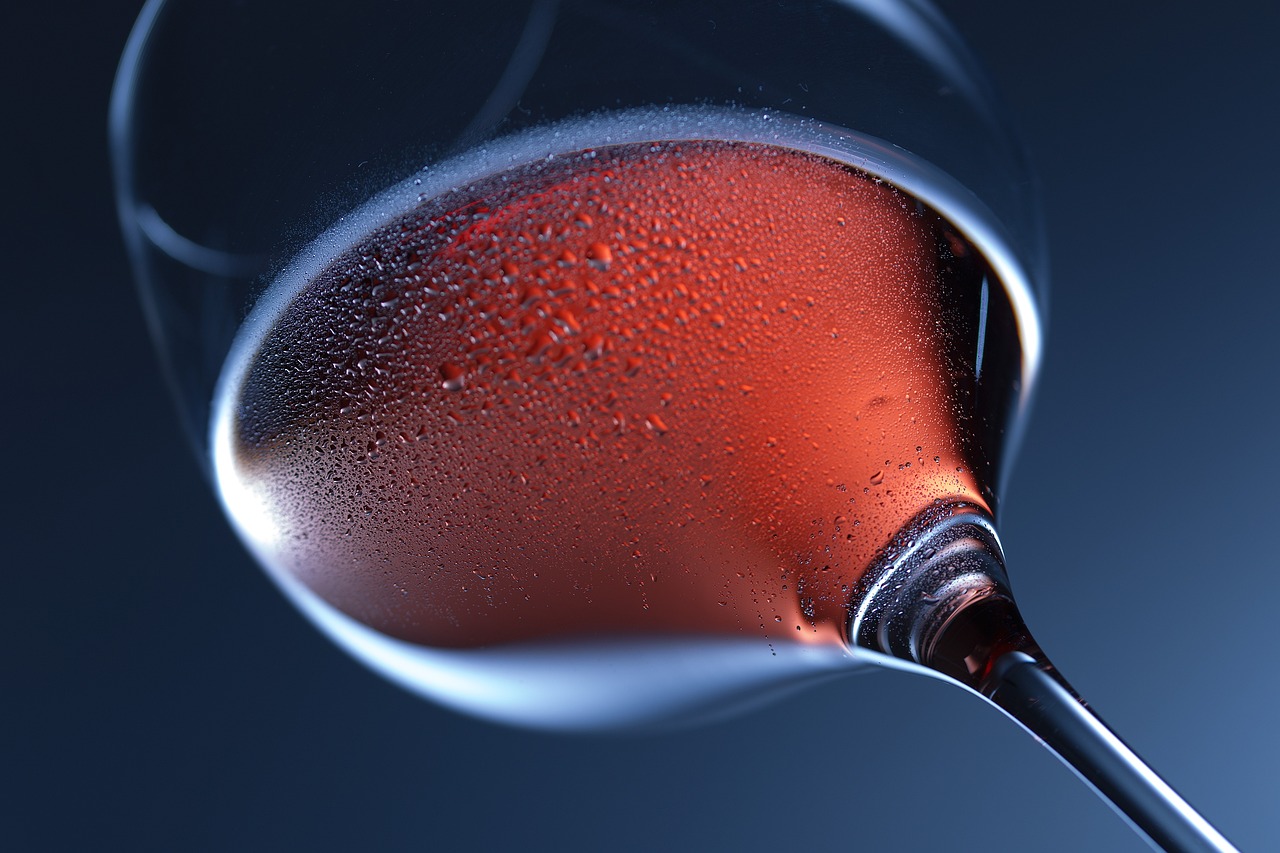
- Rosé is almost always made from red grapes with brief skin contact — hours to days — rather than by blending red and white wine (which is only permitted in Champagne rosé). The pink colour and delicate tannin both come from this limited skin time.
- Provence rosé — dry, pale, mineral — has set the international benchmark and accounts for the majority of serious rosé production globally. The best expressions come from the Bandol, Cassis, and Coteaux d'Aix-en-Provence appellations.
- Rosé is one of the most food-versatile wine styles: the light tannin and bright acidity bridge the gap between red and white, making it the best choice for menus that mix fish, meat, and vegetables.
- Rosé should almost always be drunk young — within one to two years of vintage, and ideally the most recent vintage available. The exception is Tavel and Bandol rosé, which can develop for three to seven years.
Rosé has had an image problem. For decades it was associated with sweet, cheap pink wine — the product of poor viticultural decisions and commercial convenience. Then Provence rosé arrived at scale, turned the category upside down, and made dry, pale, mineral pink wine one of the most commercially successful fine wine styles in the world. The image problem has largely been solved. What remains is a general underestimation of the category's range and quality ceiling.
How rosé is made
The vast majority of serious rosé is made by the direct press or short maceration method: red grapes are crushed and the juice has limited contact with the skins — typically between two and twenty-four hours, depending on the grape variety and the shade of pink the winemaker is targeting. The skins are then removed and fermentation continues on the pink juice alone, without the extended maceration that gives red wine its deeper colour and tannic structure.
The result is a wine with the colour and aromatic freshness of red grapes and the body and structure of white wine — a small amount of tannin (enough to give it a slight grip) and acidity that makes it unusually versatile with food.
In still wine, blending red and white wine to make rosé is generally prohibited under EU regulations. The exception is Champagne rosé, where it is traditional and widely practised.
Provence: the benchmark
Provence's contribution to rosé is not merely commercial — it is a genuine articulation of a style. The pale, dry, mineral rosés of the Coteaux d'Aix-en-Provence, Côtes de Provence, and — most importantly — Bandol and Cassis, are made primarily from Grenache, Cinsault, and Mourvèdre with high-tech, gentle pressing and temperature-controlled fermentation. They are pale almost to the point of being white, with delicate strawberry, citrus, and herbal aromatics, and a mineral precision that makes them genuinely complex.
The prestige producers — Château Pibarnon, Domaine Tempier (Bandol), Château Simone (Palette) — produce rosés of extraordinary depth that develop in bottle over three to seven years. The commercial producers — Whispering Angel, Miraval, Minuty — make technically excellent wines at accessible prices that have driven the category's global growth.
Tavel: a different tradition
Tavel, in the southern Rhône, produces rosé of a completely different register: full-bodied, copper-coloured, Grenache-dominant wines with spice, dried herbs, and a structure that allows aging. Tavel is the only AOC in France dedicated exclusively to rosé — and it produces a wine designed for the table rather than for aperitif sipping. A serious Tavel from a quality producer ages for three to five years and pairs with dishes that would overwhelm most rosé.
Other regional styles
Loire Valley (Sancerre, Pinot Noir rosé): Delicate, pale, and elegant — Pinot Noir's light colour and red berry character translate naturally into refined rosé. Sancerre rosé, from the same limestone as the white, has a mineral, almost Burgundian quality.
Spain (Navarra, Rioja rosado): Spanish rosado is typically made from Garnacha (Grenache) and tends to be slightly deeper in colour and richer in fruit than Provence expressions. At CHF 12–20, quality Navarra rosado is excellent value.
Italy (Cerasuolo d'Abruzzo): Made from Montepulciano d'Abruzzo grapes, Cerasuolo is intensely coloured (deep cherry-pink) with rich fruit and substance — a completely different style from Provence rosé, and one of Italy's most characterful wines.
Serving and storing rosé
Most rosé should be drunk young — the most recent vintage available, and within two years of release at the most. The fresh fruit and aromatic delicacy that define the style are the first things to fade. There is no virtue in cellaring most rosé; open it cold (8–10 °C) and enjoy it immediately.
The exceptions: Bandol rosé and Tavel can develop interestingly for three to seven years. A serious Domaine Tempier Bandol rosé at five years is a genuinely different and more complex experience than the same wine at one year — earthy, richer, more savoury.
Tell the sommelier your occasion and budget — get a rosé recommendation.
Questions we get asked
Is rosé made by mixing red and white wine?
Almost never, for still wine. EU regulations prohibit blending red and white wine to make still rosé in most appellations. Instead, rosé is made either by direct press (red grapes pressed immediately, giving minimal colour) or short maceration (a few hours of skin contact). The notable exception is Champagne, where blending red and white wine is standard.
What makes Provence rosé different?
Provence rosé is made primarily from Grenache, Cinsault, and Mourvèdre with high-tech gentle pressing and cold fermentation, producing the pale salmon colour that has become the style's signature. The wines are bone-dry, with delicate strawberry and peach character and high acidity. The consistency of quality from serious Provence producers is remarkable.
What food pairs with rosé?
Rosé's versatility is its greatest strength. Pale, dry Provence rosé pairs with grilled fish, seafood, light pasta, charcuterie, and Mediterranean salads. Fuller, darker rosés from Tavel or Bandol handle richer food — roast lamb, provençal vegetables, strong cheese. The wine is as food-flexible as any in the world.
Should I spend more on rosé?
For quality and pleasure, CHF 20–35 covers excellent Provence rosé from serious producers. Above CHF 40, you are paying for prestige labels rather than proportionate quality. The best-value rosé in Switzerland sits in the CHF 18–28 range from reliable Provence and Swiss producers.