Should You Decant Your Wine?
Decanting improves some wines dramatically and does nothing for others. Here's how to decide when to bother — and how to do it properly.
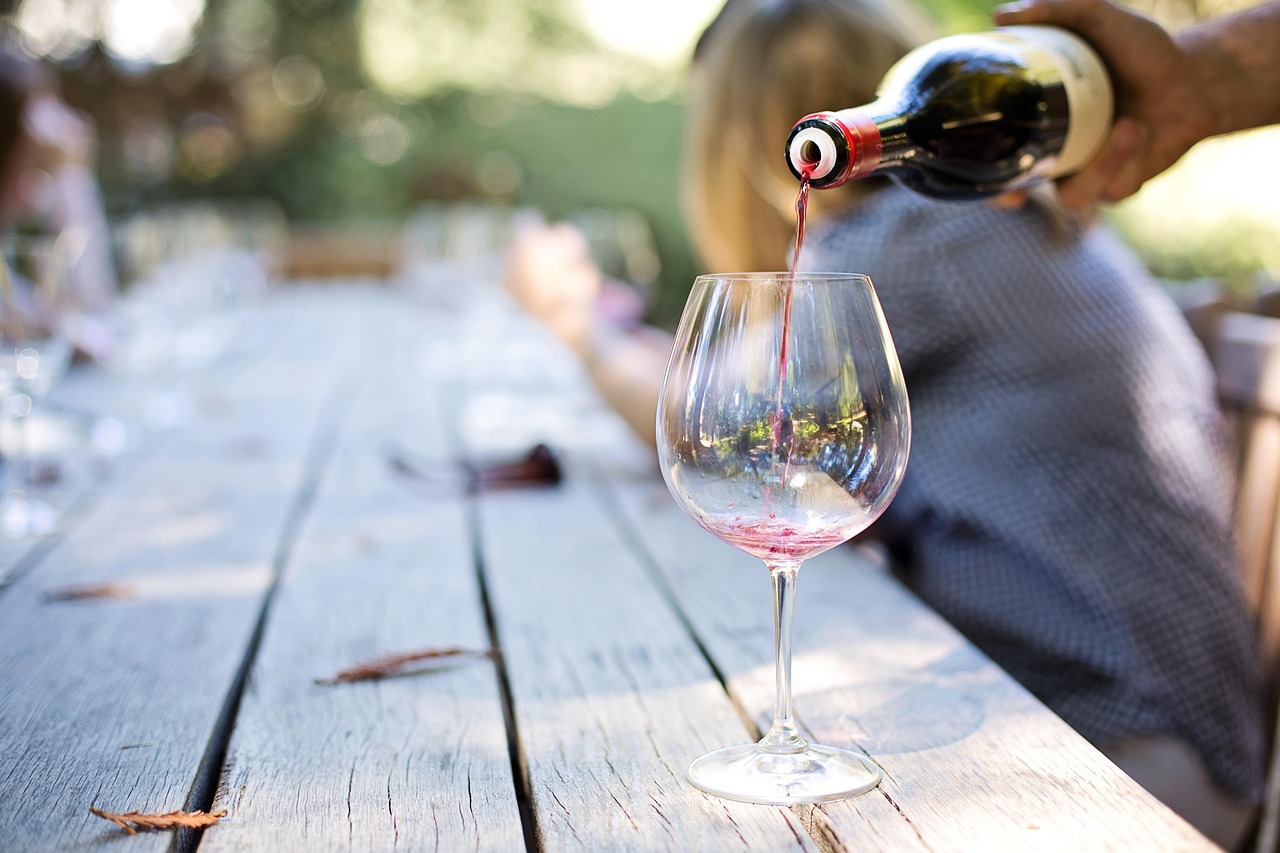
- There are two reasons to decant: to separate sediment from an old wine, and to give a young wine air so it opens up faster.
- Most everyday wine doesn't need decanting — but many young, tannic reds benefit from even 30 minutes in a decanter.
- Old wines (10+ years) should be decanted quickly and carefully, just to remove sediment — too much air can destroy their delicate aromatics.
- White wines and sparkling wines are almost never decanted. The exception: a serious, aged white Burgundy may benefit from 15 minutes in a carafe.
Decanting is one of those wine habits that looks like ritual but has genuine practical reasons behind it. The confusion arises because there are two very different situations where decanting helps — and the technique for each is different. Young tannic reds want air. Old fragile reds want gentle separation from their sediment. Treating both the same way misses the point.
Reason 1: Aeration for young wines
A young, structured red wine poured straight from the bottle often seems tight, closed, or harsh. Tannins feel grippy and aggressive; the fruit seems buried beneath the structure. Given time, either in the glass or in a decanter, the wine opens up: the tannins soften, the aromas develop, and what seemed harsh becomes interesting and layered.
Decanting speeds this process enormously. A wine that would take two hours to open in the glass can be transformed in 30–60 minutes in a wide-bottomed decanter. The larger surface area exposes more wine to oxygen simultaneously, accelerating the softening of tannins and the release of aromatic compounds.
Wines that benefit most from decanting for aeration:
Young Barolo, Barbaresco, Brunello — Nebbiolo's tannins are notoriously firm in youth. An hour in a decanter is minimum; two hours is better for a wine under ten years old.
Young Bordeaux (especially Cabernet-dominant left bank wines) — the same logic applies. A 2020 Pauillac needs air in a way that a 2010 doesn't.
Syrah/Shiraz, Mourvèdre, and Rhône blends — these often have a slightly reductive quality immediately after opening (struck match, rubber) that blows off quickly with air.
Any wine that smells closed or has a slightly sulphurous note immediately after opening.
Reason 2: Separation for old wines
Wines over ten years old — especially unfiltered reds — develop sediment: a dark, gritty deposit of precipitated tannins and tartrates. This sediment is harmless but unpleasant in the glass, and it can make the wine taste bitter and gritty if it gets poured into the glass.
For these wines, decanting is about careful separation, not aeration. The technique is different:
Stand the bottle upright for at least a day before opening (longer for very old bottles). This allows the sediment to fall to the bottom. Open gently and pour slowly in a single, continuous motion into the decanter, with a light source (a candle or a torch) held below the neck of the bottle. Watch the neck for the first sign of sediment; stop pouring as soon as you see it. You'll lose a small amount of wine — this is normal and worth it.
Crucially: old wines should not be exposed to air for long. The delicate aromatics that have developed over decades are volatile and can dissipate within 30–60 minutes of decanting. Pour old wines immediately after decanting, or decant and serve in the same short window.
What not to decant
Most everyday reds. A simple Côtes du Rhône or easy-drinking Montepulciano doesn't need decanting — it's already made to be approachable immediately.
Sparkling wine. Never. You lose the bubbles.
Most whites. The exception: a serious, aged white Burgundy or Rhône white (Condrieu, Hermitage Blanc, Châteauneuf-du-Pape Blanc) can benefit from 15 minutes in a carafe before serving. Fresh, aromatic whites (Sauvignon Blanc, Riesling, Vinho Verde) do not need it and may lose their delicate aromatics.
Delicate, older reds. Light-bodied reds — aged Pinot Noir from Burgundy especially — are fragile. Open and pour; give the glass a swirl rather than the whole bottle. Burgundy lovers are often militant about this: the wine goes in the glass, not the decanter.
Technique
For young reds: Pour the entire bottle in one quick, vigorous pour — tip it in from a height if you like. Swirl the decanter. Leave for 30 minutes to 2 hours depending on the wine.
For old reds with sediment: Stand the bottle upright for 24 hours. Pour slowly in one continuous motion. Use a light source at the neck. Stop at the first sign of sediment. Pour immediately.
If you don't have a decanter: A clean glass jug or even a cleaned wine bottle (pour the wine in, then back again) achieves the same aeration. The shape of a fancy crystal decanter is mostly aesthetic.
Tell our sommelier what you're opening tonight and we'll tell you exactly how to prepare it.
Questions we get asked
How long should I decant a young Bordeaux?
At least an hour, often two, for a full tannic Pauillac or Saint-Estèphe from a recent vintage. Lighter Left Bank wines may need only 30 minutes. If the wine still seems tight after an hour, leave it longer.
Can you over-decant a wine?
Yes. Old wines in particular can lose their delicate aromatics within 30–60 minutes. For young tannic reds you have a wide window; for anything over 15 years old, decant quickly and pour promptly.
Does the shape of the decanter matter?
Somewhat. Wide-based decanters aerate faster — good for young reds. Narrow-based are better for old wines you're just separating from sediment. In practice, any glass vessel with a reasonable opening works.
What about the Coravin system?
Coravin extracts wine through the cork via a needle, replacing the volume with argon gas so the remaining wine is unaffected. Excellent for tasting expensive bottles without opening them fully. Doesn't work with synthetic corks or screw caps.