Vinho Verde & the Wines of Portugal
Vinho Verde is Portugal's most refreshing wine — light, slightly sparkling, and built for warm weather. The best of it, from Monção and Melgaço near the Spanish border, is something else entirely.
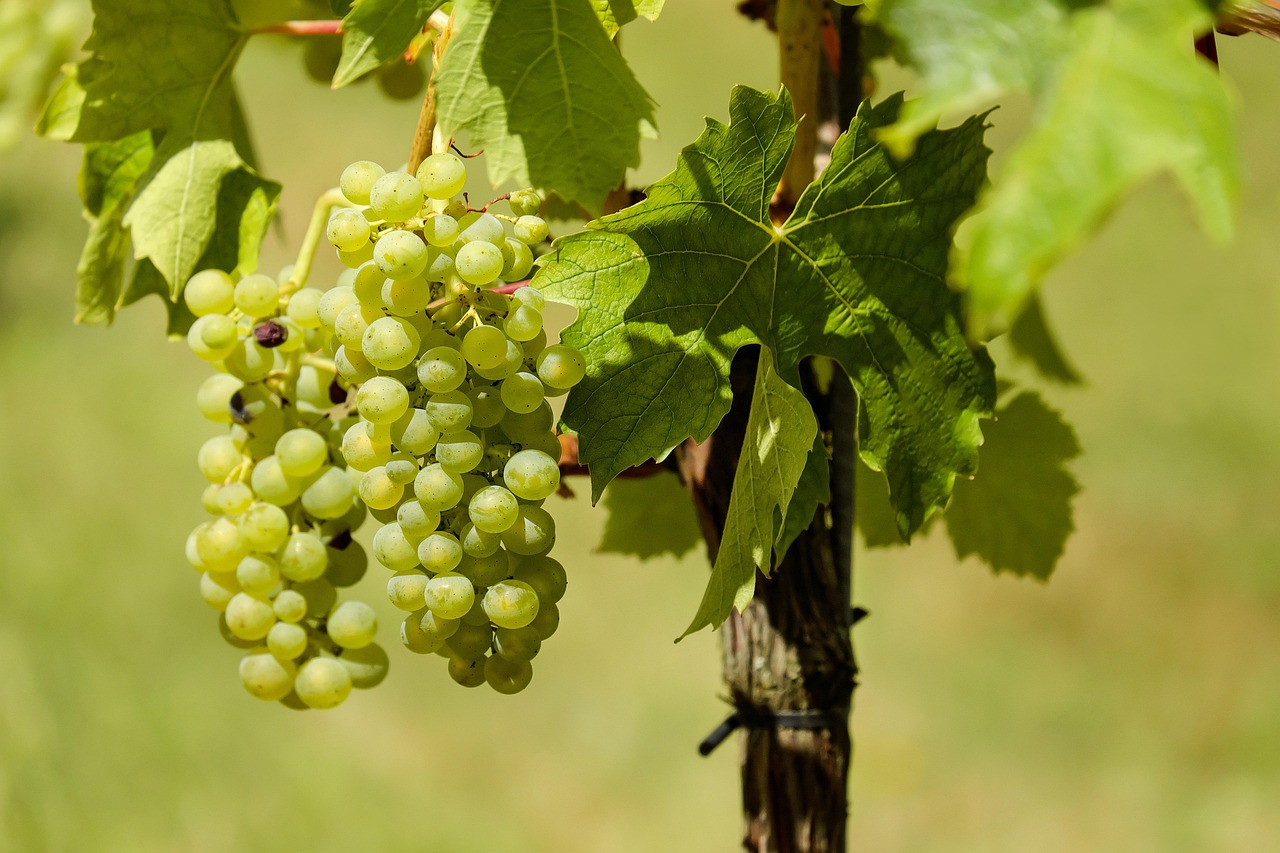
- Vinho Verde means 'green wine' in Portuguese — not the colour, but the youth: it's bottled early, before the slight CO₂ from fermentation fully disperses, giving it a characteristic light spritz.
- Standard Vinho Verde is light and low in alcohol (8.5–11.5%). The Alvarinho sub-region (Monção and Melgaço, on the Spanish border) produces a richer, more structured version at 12–13.5%.
- Alvarinho is the same grape as Spanish Albariño. In Portugal's cooler, wetter Minho region, it produces wines with more acidity, saline minerality, and ageing potential than most of its Spanish counterparts.
- Portugal has more indigenous grape varieties per square kilometre than almost any other country. Beyond Vinho Verde, the Douro (structured reds), Alentejo (warm-climate value), and Dão (elegant Touriga Nacional) are all worth exploring.
Vinho Verde has an image problem. Most of the world knows the category through the large, cheap, slightly sweet supermarket bottles — refreshing, inoffensive, disposable. That version exists and is perfectly fine for its occasion. But behind it sits a far more interesting wine, made from very old vines in one of Europe's rainiest, most dramatically beautiful wine regions, by a generation of producers who have spent twenty years proving that Alvarinho grown near the Spanish border is one of Portugal's great wines by any standard.
What 'green' actually means
The name has nothing to do with colour — Vinho Verde can be white, red, or rosé. 'Verde' (green) refers to youth. Traditionally, the wine was bottled young, before the CO₂ produced during fermentation had fully dispersed. The result was a faint, refreshing natural pétillance — a spritz rather than full sparkling — that became part of the wine's identity. Today, producers sometimes add a small amount of CO₂ at bottling to ensure consistency. The result is the same: a wine with gentle bubbles, low alcohol, and bright acidity designed for immediate drinking.
The region
The Vinho Verde region occupies the Minho province of northwestern Portugal, from the Atlantic coast to the Spanish border. It's the wettest wine region in Portugal — and one of the wettest in Europe — with granite soils, high rainfall, and a landscape of river valleys, terraces, and ancient vines trained on high pergolas (the ramada system) to allow air circulation under the heavy vine canopy and avoid the rot that constant moisture would otherwise cause.
The region is divided into nine sub-zones. Most Vinho Verde comes from the broader appellation; the two that produce the finest wine are Monção e Melgaço in the northeast, where Alvarinho thrives, and Lima and Basto in the centre, which produce the most elegant blended Vinho Verde from Loureiro, Arinto, and Trajadura.
The grapes
Alvarinho is the premium grape — thick-skinned, low in yield, producing wines with more body, more aroma, and considerably more ageing potential than any other Vinho Verde grape. At its best, from old vines in Monção and Melgaço, it has a grapefruity, floral character layered over deep mineral salinity. Top Alvarinho from producers like Anselmo Mendes, Soalheiro, and Adega Belém can age for 5–10 years and improve throughout.
Loureiro is the most widely planted variety in the broader region — aromatic, citrus-driven, lower in alcohol, and ideal for the refreshing everyday style. Arinto adds acidity and structure; Trajadura contributes body; Azal gives the characteristic lemony tartness of classic blended Vinho Verde.
Monção and Melgaço: where Alvarinho is serious
Monção and Melgaço sit in the extreme northeast of the region, in a microclimate slightly warmer and drier than the rest of the Minho — sheltered from the Atlantic by mountains, with more sun hours and lower rainfall. These conditions allow Alvarinho to ripen fully, developing the concentration that the rest of the region's varieties struggle to achieve. A wine labelled 'Monção e Melgaço' on the front, with Alvarinho as the grape, is in a different category from standard Vinho Verde.
Anselmo Mendes, based in Monção, is one of Portugal's most respected winemakers. His single-vineyard Alvarinhos — Muros de Melgaço, Parcela Única — have established international reputations and age beautifully in the bottle. Adega de Melgaço, a cooperative with access to old-vine Alvarinho fruit, produces reliable wines at accessible prices. Soalheiro is the estate that first demonstrated what serious Alvarinho from this sub-zone could be.
The spritz
The pétillance in most Vinho Verde is gentle — a few fine bubbles, a sensation of lightness on the palate rather than anything approaching sparkling wine. In a cheap, supermarket-aimed Vinho Verde, it can be more pronounced and slightly rough. In a quality Alvarinho from Monção and Melgaço, there is often very little or no added CO₂ — the wine doesn't need it. The spritz became associated with Vinho Verde as a region characteristic, not a quality indicator.
Food pairings
Vinho Verde's natural partner is seafood. The classic Portuguese table — bacalhau (salt cod), grilled sardines, percebes (barnacles), clams in garlic and white wine — was built around this wine. The acidity and the spritz do the same work that lemon juice does: they cut richness and refresh the palate between bites.
Beyond seafood: white fish, light salads, mild cheeses, summer vegetables, and anything with citrus or herbs. The wine is not well suited to red meat or heavy cream sauces — the acidity fights rather than complements. A serious Alvarinho from Monção is structured enough for richer white fish (turbot, brill) and aged goat's milk cheeses.
Portugal beyond Vinho Verde
The rest of Portugal is equally worth knowing. The Douro — the steep, schist-terraced valley that produces Port — also makes Portugal's most powerful and age-worthy dry reds, from Touriga Nacional, Touriga Franca, and Tinta Roriz. The Alentejo, in the south, produces warm, generous reds from international and indigenous varieties at excellent prices. The Dão, in the centre, makes elegant reds from Touriga Nacional and minerally whites from Encruzado that the rest of the world has barely discovered. Each is a separate chapter worth exploring.
Curious about Vinho Verde or Portuguese wine more broadly? Tell our sommelier what you enjoy and she'll find the right bottle.
Questions we get asked
Is Vinho Verde always white?
No. The region produces red and rosé Vinho Verde alongside the white. Red Vinho Verde — made from Vinhão, Borraçal, and Espadeiro — is a curiosity: astringent, deeply coloured, and distinctly tannic, traditionally drunk very cold alongside heavy local dishes. It's rarely exported. Rosé Vinho Verde has grown in popularity recently and is genuinely pleasant for summer drinking.
Is Alvarinho the same as Albariño?
Yes, genetically identical — the same grape, grown on both sides of the Portuguese-Spanish border. Galician Albariño (from Rías Baixas) tends toward a crisper, more citrus-forward style with less body. Alvarinho from Monção and Melgaço tends to be fuller, more mineral, and more age-worthy. The wetter Portuguese climate and the specific soils of the sub-region produce a distinctly different result from the same starting material.
What food does Vinho Verde pair with?
Seafood first: grilled fish, clams, octopus, light sushi, ceviche, salt cod in any form. After that: herb-dressed salads, mild soft cheeses, vegetable dishes, anything with lemon. A serious single-variety Alvarinho is versatile enough for richer white fish and aged semi-soft cheeses. Avoid red meat, cream sauces, and anything heavily spiced or umami-forward.
How long will a Vinho Verde keep?
Standard blended Vinho Verde: drink within 1–2 years of the vintage. It's designed for freshness, not cellaring. A quality Alvarinho from Monção and Melgaço is a different matter: the best examples age well for 5–8 years, developing more complexity and depth while retaining their acidity. If you find a serious Alvarinho at a good price, buying a few bottles to open at intervals is worthwhile.