What Wine Goes With Chocolate & Dessert
Chocolate is one of the most difficult things to pair with wine. Here's what actually works — and why most people get it wrong.
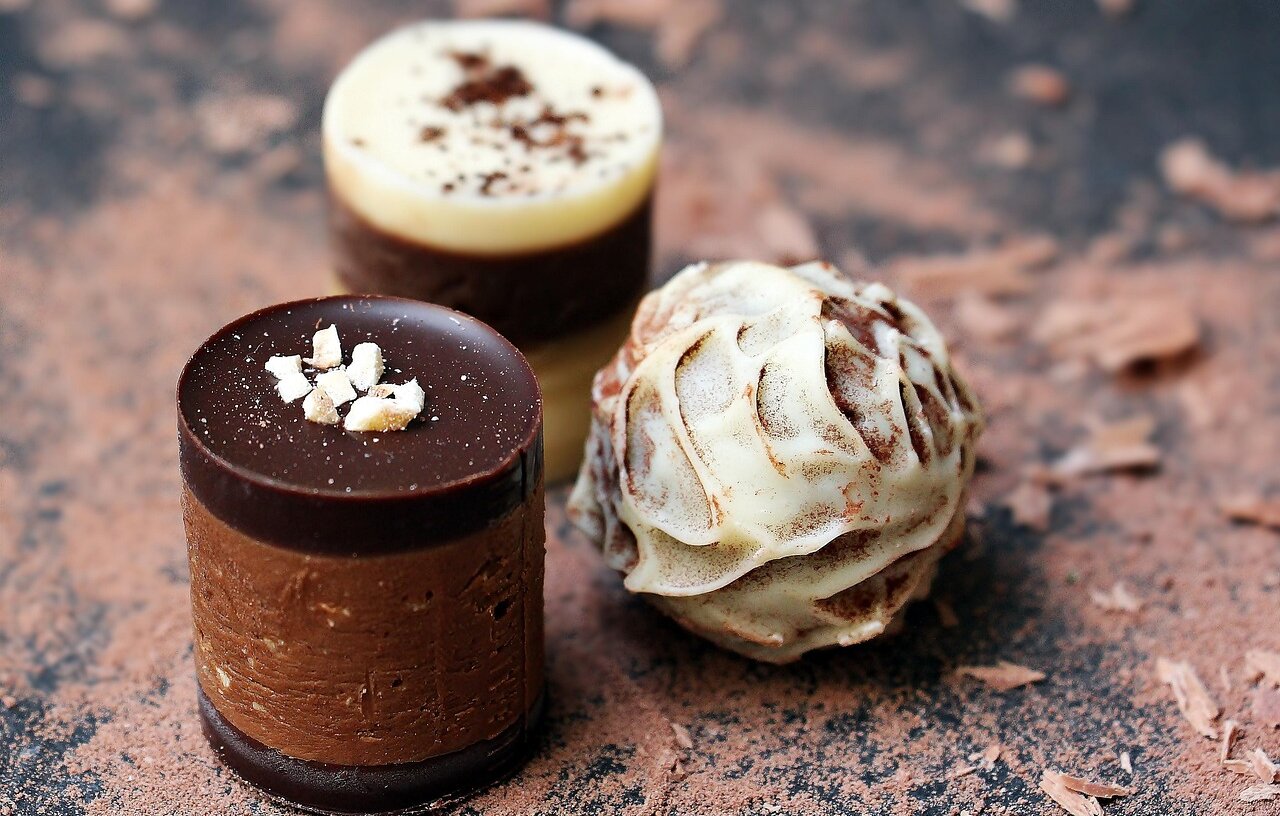
- The wine must be as sweet as or sweeter than the chocolate — a dry wine next to dark chocolate tastes harsh and thin.
- Dark chocolate: aged Tawny Port, Australian Muscat, Banyuls (fortified Grenache from Roussillon), or a good Recioto della Valpolicella.
- Milk chocolate: demi-sec Champagne, Moscato d'Asti, or a PX (Pedro Ximénez) sherry — something with enough sweetness to match.
- White chocolate: Muscat de Beaumes-de-Venise, Moscato d'Asti, or a late-harvest Riesling. White chocolate is very sweet — the wine needs to keep up.
Chocolate defeats many wines because of one simple fact: it is sweet, and dry wine next to sweetness tastes sour and harsh. The wine's fruit disappears; the acidity stands exposed; the tannin (in reds) becomes unpleasantly drying. This is not a flaw in the wine — it's a mismatch in sweetness levels. The solution is to match sweetness: the wine should be at least as sweet as the chocolate, ideally slightly sweeter.
Dark chocolate (70%+)
Dark chocolate has bitterness, tannin, and a complex range of roasted and fruity flavours. It needs a wine with depth, sweetness, and enough structure to handle the bitterness.
Aged Tawny Port (10 or 20-year) — the most consistently excellent pairing. The oxidative nutty richness of Tawny Port echoes the roasted notes in dark chocolate; the sweetness balances the bitterness; the fortified structure handles the fat. A 20-year Tawny with 75% Valrhona is one of food and wine's great pleasures.
Banyuls — a fortified Grenache from Roussillon in southern France. Typically lighter than Port but with a similar sweetness level and a distinctive ripe fruit and fig character that works beautifully with dark chocolate. Genuine and underrated.
Australian Muscat (Rutherglen Muscat) — intensely sweet, raisin-and-coffee notes, extraordinary persistence. One of the world's most unusual wines; outstanding with very dark, very rich chocolate.
Recioto della Valpolicella — the sweet version of Amarone, made from dried Corvina and Rondinella grapes. Rich, complex, and sweet — a natural chocolate companion in the Veneto tradition.
Milk chocolate
Milk chocolate is sweeter, creamier, and less bitter than dark. It needs sweetness without quite so much structure.
Demi-sec Champagne — the sweetness of the wine matches the milk chocolate's gentler character while the acidity prevents the combination from becoming cloying. An underused style of Champagne for a reason: it's genuinely excellent with pastry and milk chocolate desserts.
Moscato d'Asti — light, sweet, low in alcohol, gently sparkling. One of the best matches for lighter chocolate desserts and anything combining chocolate with fruit. The apricot and peach notes in Moscato play well with milk chocolate's vanilla-cream character.
Pedro Ximénez (PX) sherry — extraordinarily sweet (from sun-dried Pedro Ximénez grapes), with raisin, molasses, and coffee notes. Pour it over vanilla ice cream for the classic Spanish dessert, or drink it alongside milk chocolate.
White chocolate
White chocolate is very sweet, very fatty, and essentially flavourless beyond vanilla and cocoa butter. The wine needs to be sweet enough to match — which rules out almost everything except dessert wines.
Muscat de Beaumes-de-Venise — lightly fortified Muscat from the southern Rhône, with enough floral sweetness to match. Moscato d'Asti works, especially with white chocolate that has fruit elements. Late-harvest Riesling(Auslese level) — the acidity cuts through white chocolate's fat while the sweetness keeps pace. An elegant match.
Chocolate and red wine: does it ever work?
Only in specific cases. A very ripe, very fruity red with residual sugar character — a Californian Zinfandel at its most jammy, or a dried-grape Amarone — can sometimes work with dark chocolate. But most dry red wine next to dark chocolate is a mistake: the tannin clashes with the chocolate's own phenolics, producing a harsh, bitter mouthfeel. Stick to the sweet fortified options.
Serving dessert? Tell the sommelier what chocolate dish you're making and we'll find the ideal sweet wine.
Questions we get asked
What is the best wine for a chocolate fondue?
A 10 or 20-year aged Tawny Port is the most reliable — nutty richness complements dark chocolate and the sweetness matches. Alternatively, a Banyuls or Australian Rutherglen Muscat. For milk chocolate fondue: Moscato d'Asti or demi-sec Champagne.
Does any red wine go with chocolate cake?
Banyuls is the most reliable fortified red for drinking with chocolate cake. A very ripe Zinfandel can work. Most dry reds — Cabernet, Merlot, Pinot Noir — produce an unpleasant metallic-bitter reaction with chocolate cake.
Can Champagne pair with chocolate?
Dry Champagne (Brut) with dark chocolate is a mismatch. Demi-sec Champagne with milk chocolate or lighter chocolate desserts is genuinely good. For a celebratory chocolate moment: choose the demi-sec or open a Moscato d'Asti.
What wine pairs with chocolate-dipped strawberries?
Moscato d'Asti is excellent — its apricot and peach notes complement both the strawberry and the chocolate. A demi-sec Champagne or late-harvest Riesling also works. The lighter and fruitier the chocolate element, the less you need a heavy fortified wine.