What Wine Goes With Spicy Food
Spicy food and wine is a pairing that trips up even experienced wine drinkers. The mistakes are consistent. Here's what to avoid and what actually works.
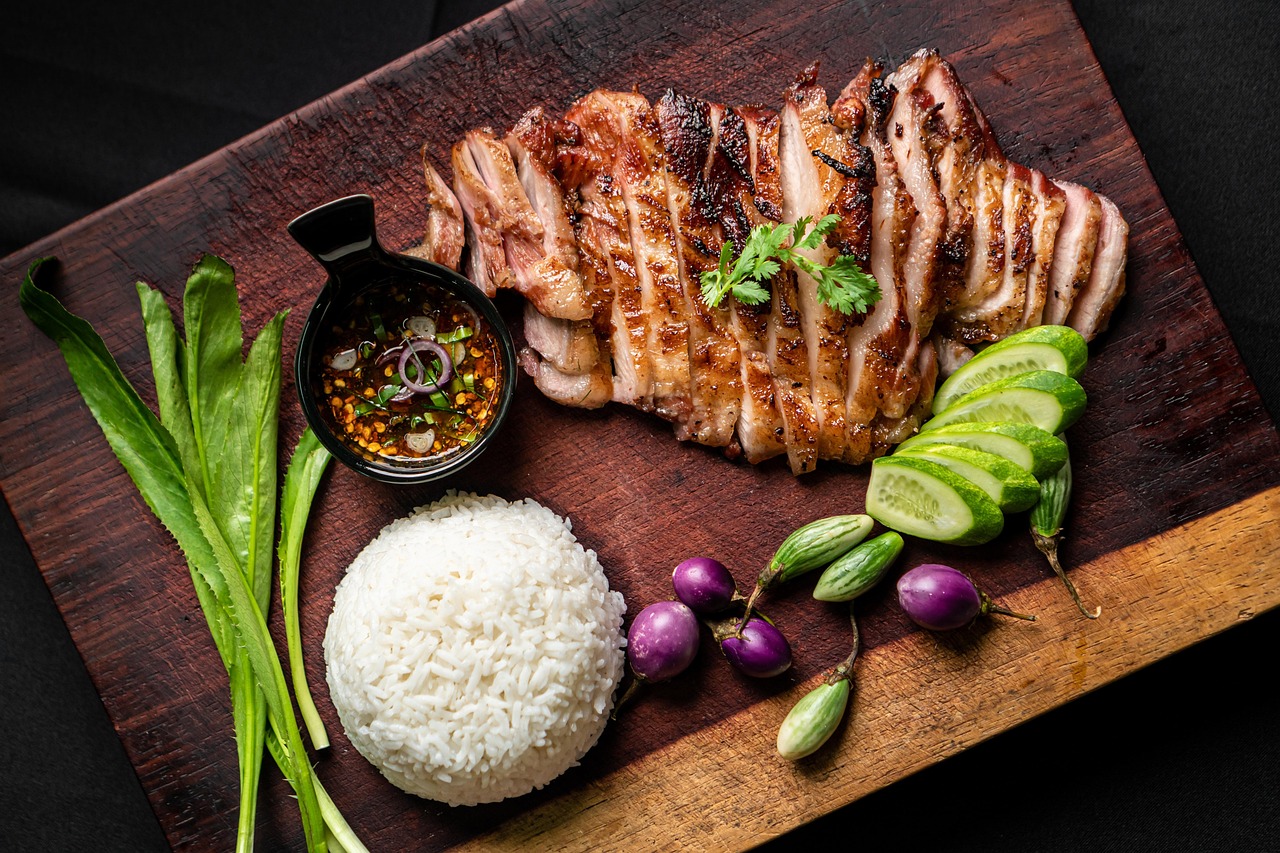
- Alcohol amplifies heat — a high-alcohol dry red (14%+) with spicy food makes both the wine and the food uncomfortably hot. Low-alcohol wines are the correct response to spice.
- Off-dry whites — Riesling Spätlese, Gewurztraminer, Pinot Gris demi-sec — are among the best matches for spicy food. The residual sugar moderates the heat; the aromatics match the spice's complexity.
- Cold, crisp beers are the default for a reason. But if you're committed to wine: lower alcohol, slightly sweet, aromatic white is the answer.
- Avoid tannin with spicy food — tannin interacts with capsaicin to amplify heat and produce an unpleasant metallic burn.
The pairing problem with spicy food isn't the flavour — it's the heat. Capsaicin (the compound in chilli that produces burning) is amplified by alcohol and by tannin. A 14.5% Cabernet Sauvignon next to a Thai green curry doesn't just fail to complement the food; it makes both elements actively unpleasant. The capsaicin burns harder; the tannin turns metallic; the wine's fruit disappears. Understanding this mechanism points directly toward the solution.
The rules for wine with spicy food
Three rules that apply across cuisines.
Low alcohol: alcohol amplifies heat. Choose wines under 12.5% alcohol where possible. German Riesling (often 8–11%), Moscato d'Asti (5.5%), Vinho Verde (9–11%), and Gewurztraminer from cooler vintages (12–13%) are in the right range. High-alcohol reds (13.5%+) consistently fail.
Some residual sugar: sweetness moderates heat. A wine with 10–20g/L residual sugar is not noticeably sweet to drink on its own, but next to spicy food it acts as a buffer. Bone-dry wines lose this buffer.
No tannin: tannin interacts with capsaicin in a way that amplifies both. White wine, rosé, or very light low-tannin reds are the options. Medium and full-bodied reds are generally wrong.
By cuisine
Thai food — one of the best wine pairings in Asian cuisine: an off-dry German Riesling (Spätlese or Kabinett). The acidity mirrors the lime in the dish; the residual sugar moderates the chilli; the aromatic character matches the lemongrass, galangal, and kaffir lime. Gewurztraminer is a more flamboyant option that also works.
Indian food — varies enormously by dish. For mild, creamy kormas and tikka masalas: a full, slightly aromatic Pinot Gris or an off-dry Gewurztraminer. For vindaloo-level heat: accept that wine is the wrong choice and drink lassi or beer. For something in between (rogan josh, medium lamb curry): a light, chilled Grenache rosé, or an off-dry Riesling.
Mexican food — if the heat is moderate: a light, dry rosé or an unoaked Grenache. For tacos with fresh salsa: Albariño or Vinho Verde (both have enough acidity and freshness to work with the citrus and herb flavours). Avoid big Zinfandel — it amplifies the heat despite what Californian wine lists suggest.
Chinese food — varies widely. Dim sum (typically mild): off-dry Riesling or a dry rosé. Sichuan food (numbing heat): the numbing quality of Sichuan pepper is different from capsaicin heat — a slightly sweet Muscat-based wine or Gewurztraminer can handle it. Peking duck: a Pinot Noir or a light Grenache.
The sparkling option
Sparkling wine with spicy food is underrated. The bubbles have a cooling effect on the palate; the acidity cuts through sauces; and if the sparkling wine has a little residual sugar (demi-sec Champagne, Prosecco), the sweetness moderates the heat. Cava from Spain is reliable and affordable. A Crémant works well.
If all else fails: rosé
A dry, slightly chilled Provençal rosé is the universal hedge — it handles more cuisines and more levels of spice than almost any other wine. It doesn't have tannin; it has some acidity; its fruit is neutral enough to not clash. It won't be the ideal pairing for any particular spicy dish, but it won't be actively wrong either.
Cooking something spicy? Tell the sommelier the dish and heat level and we'll find a wine that handles it.
Questions we get asked
What is the best wine for a hot curry?
For very hot curries: wine is genuinely the wrong choice — eat with water, lassi, or cold beer. For moderate curries: an off-dry German Riesling Spätlese or an Alsatian Gewurztraminer is the best wine option. Keep it cold.
Why does red wine taste so bad with spicy food?
Two mechanisms: alcohol amplifies capsaicin's burning, and tannin interacts with capsaicin to produce metallic-burning. Most red wine has both problems. A very light low-alcohol Beaujolais can sometimes work with mild spice, but the general rule holds.
Is Gewurztraminer really that good with spicy food?
Yes — when the spice is accompanied by aromatic, complex flavours (Thai lemongrass, Indian spices). Gewurztraminer's lychee, rose petal, and ginger character mirrors those flavours. Keep it from Alsace or Germany at 12–13% alcohol; avoid high-alcohol, bone-dry versions.
What about Zinfandel with Mexican food?
Usually disappoints. Zinfandel is typically high in alcohol (14.5–16%), which amplifies capsaicin heat. Better choices for Mexican food: Albariño, Vinho Verde, a dry rosé, or a light low-alcohol Grenache.