Wine for the Festive Season
Christmas dinner is the most high-stakes wine occasion of the year for most people. Here is a clear plan for every stage, from aperitif to the final glass by the fire.
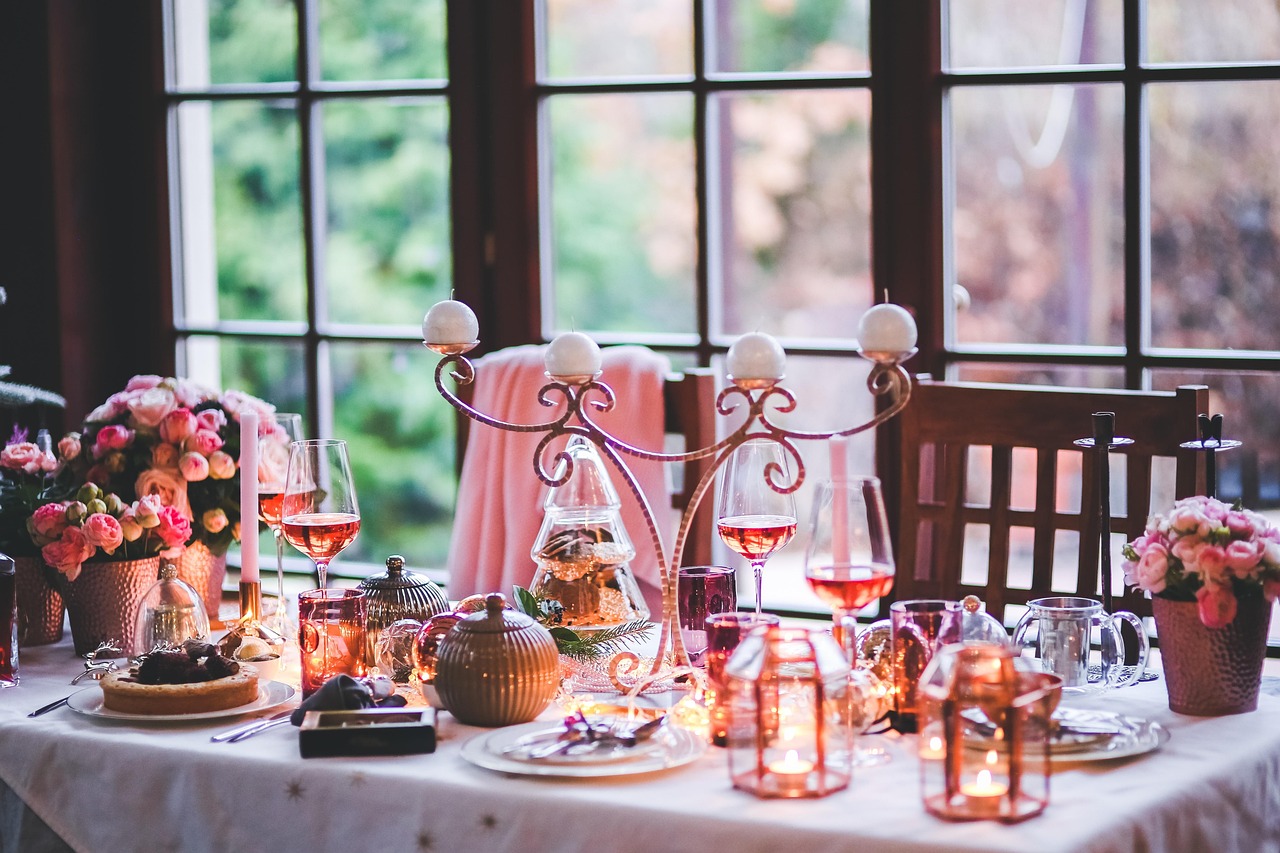
- Plan wine for four stages: aperitif, starter, main course, and dessert or cheese. Each stage has a clear wine logic. Only the main course wine requires careful thought; the others are straightforward.
- Champagne is the classic Christmas aperitif for good reason — it signals occasion, refreshes the palate, and pairs with almost every starter from smoked salmon to foie gras.
- For the main course, match the wine to the protein: Pinot Noir or a lighter red Burgundy for roast turkey or goose; a structured Bordeaux for beef Wellington or prime rib; a dry Riesling or white Burgundy for salmon.
- Sauternes with foie gras, or Port with a Christmas pudding and aged cheese, are the two end-of-meal pairings that most reward a small extra investment — and a 37.5cl half-bottle of each is sufficient for eight people.
Christmas dinner is the occasion people worry about most — the table is larger, the expectations are higher, and the meal is longer and more complex than any ordinary dinner. Wine choices that work fine at a casual dinner party feel under-specified when there are eight people, three courses, and a dessert to navigate.
The solution is a structure, not a single bottle. Plan wine for each stage of the meal, keep each decision simple, and buy more than you think you need.
The aperitif: Champagne or nothing
Christmas is one of the few occasions where Champagne is not a luxury but a standard. It signals the occasion, refreshes the palate before the richest meal of the year, and pairs with almost every aperitif food — smoked salmon blinis, oysters, pâté, foie gras, charcuterie.
You don't need a prestige cuvée. A reliable non-vintage brut from Taittinger, Pol Roger, or Billecart-Salmon performs exactly the right function. One bottle per four guests for the aperitif hour; if the group is large, budget accordingly. A quality Crémant d'Alsace at a third of the price delivers the same effervescence and is an entirely defensible choice if budget is the constraint.
If the aperitif includes foie gras: open the Sauternes here, not at dessert. The combination of sweet, botrytised white wine with the fatty richness of foie gras is one of the great classical pairings in the French repertoire. A half-bottle (37.5cl) of Sauternes (Suduiraut, Guiraud, or Rieussec) serves eight people four modest pours — exactly the right quantity for a first course.
The starter
Christmas starters tend toward richness — smoked salmon, prawn cocktail, soup, pâté, or foie gras. The wine should be dry and high-acid to cut through that richness and refresh the palate before the main event.
A white Burgundy (Chablis Premier Cru or a village Meursault) works across smoked fish and shellfish with elegance. A dry Alsatian Riesling, with its lime and mineral character, cuts through pâté beautifully. If you're serving Champagne into the starter, it pairs perfectly with smoked salmon — no separate wine needed.
The main course: matching the centrepiece
The main course wine is the decision that carries the evening. Match it to the protein.
Roast turkey: The most forgiving of Christmas centrepieces from a wine perspective. Turkey's mild flavour and varied textures (white breast meat, darker leg meat, rich stuffing, cranberry sauce) accept a wide range of wines. A Pinot Noir is the safest choice — its acidity handles the cranberry, its fruit suits the mild meat, and it sits comfortably across both dark and white meat. Red Burgundy (Côte de Nuits-Villages or a Gevrey-Chambertin) is the classical choice; a quality Oregon or New Zealand Pinot Noir delivers similar character at more accessible prices.
Roast goose: Richer than turkey, with more fat and a gamier flavour. Needs a wine with more structure — a Pinot Noir with some age, a quality Alsatian Pinot Noir, or a light Rhône red (Crozes-Hermitage, Lirac). The traditional Austrian pairing of goose with a rich Grüner Veltliner or an aged Riesling also works beautifully and creates a talking point.
Beef Wellington or prime rib: A serious occasion calls for a serious red. Bordeaux is the classical answer — a Pauillac or Saint-Julien for prime rib; a Pomerol or Saint-Émilion (Merlot-dominant, slightly softer) for Wellington. A high-quality Côtes du Rhône or a Gigondas is a more accessible alternative that still delivers the structure the dish needs.
Salmon or fish main: A rich white is the right call. White Burgundy (Meursault, Puligny-Montrachet) with a butter or cream-based sauce. A dry Alsatian Riesling with a lighter preparation. If the group insists on red, a light Pinot Noir (served slightly chilled, 14–15 °C) is the bridge that works across both fish and poultry.
Vegetarian main: Match the dominant flavour — a mushroom Wellington or root vegetable tart pairs well with a Pinot Noir or an earthy Côtes du Rhône; a lighter pasta or grain dish with a crisp Italian white or a dry Alsatian white.
Cheese and dessert
This is the stage most often underplanned. The wine poured during the main course rarely survives the cheese course in good condition, and a Christmas pudding served with the last dregs of a tannic Bordeaux is a disappointing end to an otherwise well-considered evening.
Cheese: A full bottle of Sauternes left over from the aperitif can carry the cheese course beautifully. Alternatively: a Tawny Port (twenty-year) with a blue cheese; a quality Banyuls with aged comté or aged Gouda. Champagne — if you have any left — pairs surprisingly well with a wide range of cheese.
Dessert: Port is the canonical British Christmas dessert wine, paired with Christmas pudding, mince pies, and the cheese that follows. A twenty-year Tawny Port has the nutty, dried-fruit character that echoes Christmas spice. A ruby or LBV for something fresher and more fruit-forward. A half-bottle serves eight people a dessert pour; a full bottle provides seconds.
The buying plan
For eight guests at a full Christmas dinner: two to three bottles of Champagne for the aperitif; one half-bottle of Sauternes if serving foie gras; one to two bottles of white for the starter; three to four bottles of red for the main course; one half-bottle of Port or Sauternes for dessert and cheese. Total: approximately eight to ten bottles across the evening. More if the meal runs long; a spare bottle of red is always the right decision.
Tell the sommelier your Christmas menu — get wine recommendations for each course.
Questions we get asked
What wine goes with roast turkey at Christmas?
A Pinot Noir is the safest choice — its acidity handles the cranberry sauce, its fruit suits the mild flavour of turkey, and it is light enough not to overwhelm the trimmings. A quality Bourgogne Rouge or a Swiss Pinot Noir from the Valais works well. For white wine drinkers, a full white Burgundy or a dry Alsatian Pinot Gris both work beautifully.
How much Champagne do I need for Christmas?
For the aperitif hour: one bottle per four guests. A table of eight needs two bottles for the aperitif. Add one spare — Christmas tends to run long. If you are serving Champagne as the aperitif, you do not need to open a second bottle for toasting; let the remaining Champagne carry through to the first course.
What dessert wine should I serve at Christmas?
Port is the canonical choice, paired with Christmas pudding, mince pies, and aged cheese. A tawny Port (20-year average age) works with almost everything sweet and savoury at the end of a Christmas table. Alternatively, a Sauternes or Barsac for a lighter, more elegant option alongside lighter desserts.
How many bottles for Christmas dinner with eight guests?
A complete Christmas dinner for eight: two to three bottles of Champagne or Crémant for the aperitif, three to four bottles of white for the starter, four to five bottles of red for the main, and one bottle of port or dessert wine. That is ten to thirteen bottles in total — buy at the upper end, as Christmas tends to run long.