Cosy Winter Wines
Cold weather changes what you want from a glass of wine. The wines that thrive in winter are warmer, richer, and built for the food and the mood of the season.
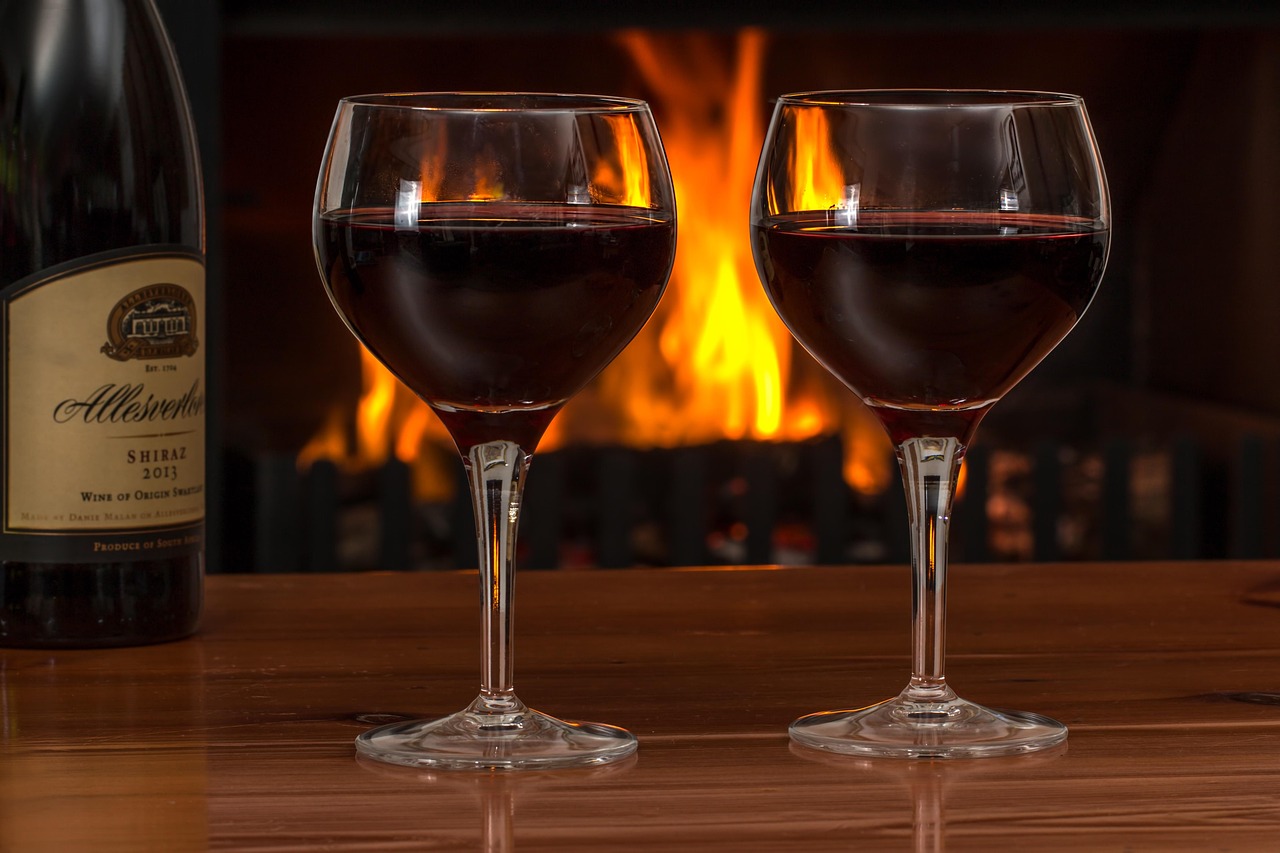
- Winter wines tend to be fuller-bodied, higher in alcohol, and richer in flavour — styles that feel heavy in summer feel correct in cold weather with hearty food.
- The Rhône Valley is winter's home region. Châteauneuf-du-Pape, Gigondas, and Crozes-Hermitage deliver the warmth, body, and spice that winter food demands at a range of price points.
- Aged wines open up in winter. The patience required to hold back a serious Bordeaux or Barolo is rewarded when the wine is drunk beside a fireplace with a braise that has been cooking for four hours.
- Don't neglect the whites. A rich white Burgundy, an aged Alsatian Pinot Gris, or a weighty Viognier from the northern Rhône all perform beautifully with winter food — cream sauces, root vegetables, roast poultry.
The shift from summer to winter drinking is not arbitrary. The food changes — from salads and grilled fish to braises, game, root vegetables, and rich sauces. The environment changes — indoor, warmer, more enclosed. And the psychological register changes — winter wine should feel warming, substantial, comforting in a way that summer wine explicitly does not need to.
The wines that succeed in winter tend to be fuller in body, richer in fruit, higher in alcohol, and often more tannic than their summer counterparts. These qualities that feel heavy in July feel exactly right in January.
The great winter red regions
The Rhône Valley: The canonical winter region. Châteauneuf-du-Pape — built from Grenache, Syrah, and Mourvèdre — delivers warmth, concentration, and a particular garrigue spice (lavender, thyme, wild herbs) that echoes the cuisine of Provence and feels profoundly suited to cold evenings. Gigondas and Vacqueyras offer the same character at lower prices. Crozes-Hermitage, from Syrah, adds a Northern Rhône smoky, olive-tinged quality that pairs superbly with lamb, game, and mushroom dishes.
Barolo and Barbaresco (Piedmont): These are wines built for patience and occasion. Young Barolo is austere and demanding; a Barolo with eight to twelve years of age opens into something of extraordinary complexity — tar, roses, truffle, cherry, dried herbs. Drunk beside a fire with a long-braised osso buco or a white truffle risotto, it is one of the finest wine experiences available at any price. Barbaresco reaches its peak slightly earlier and tends toward greater elegance.
Châteaux Bordeaux: The great Bordeaux wines — Pauillac, Saint-Estèphe, Pomerol, Saint-Émilion — are designed for long aging and cold-weather consumption. Young Bordeaux from good vintages (2015, 2016, 2018, 2019) is already drinking well; aged examples from the best châteaux deliver the cedar, tobacco, and cassis character that makes Bordeaux worth the patience.
Amarone della Valpolicella: Italy's most dramatic winter wine, made from partially dried Corvina grapes. Dense, rich, and warming — often 15–16% alcohol, with dried fruit, chocolate, and leather character. The most substantial food partner in the Italian canon, suited to game, aged cheese, and braised beef. Serve slightly below room temperature and in a generous glass.
The underrated winter whites
Winter is the season most often neglected by white wine drinkers — the instinct is to move to red when the temperature drops. But several white wine styles are specifically built for the season.
White Burgundy (Meursault, Puligny-Montrachet): Rich, creamy, with a hazelnut and butter character from oak aging that reads as profoundly autumnal. Paired with roast chicken, cream-based pasta, scallops, or white fish in a butter sauce, it is one of the great cold-weather food wines. A premier cru Meursault is the benchmark; a village Meursault from a serious producer (Ballot Millot, Coche-Dury, Jean-Marc Roulot) is the accessible entry point.
Alsatian Pinot Gris (Vendange Tardive style): Rich, slightly sweet or off-dry, with ginger, quince, and smoke character. The sweetness is always balanced by acidity. Paired with foie gras, spiced game, or roast pork with fruit accompaniments, it is one of the wine world's most underappreciated pairings.
Viognier (Condrieu, northern Rhône): Aromatic, full-bodied, with apricot, blossom, and white pepper character. The weight and texture of Condrieu — France's finest Viognier — makes it feel substantial in winter in a way that lighter whites do not. Pairs with roast poultry, lobster bisque, and cream sauces with confidence.
Wines worth opening in winter specifically
Winter is the season to open the bottles you have been saving. Aged wine — whether a ten-year Bordeaux, a mature Burgundy, or an old-vintage Barolo — reaches its peak complexity in the conditions that winter offers: the occasion is usually more significant, the food is substantial enough to match the wine's depth, and the contemplative pace of a winter dinner creates the space to appreciate a wine that has been developing for years.
The protocol for opening an aged wine: stand it upright for twenty-four hours before serving to let any sediment settle. Decant gently, stopping when you see sediment approaching the neck. Serve at 16–18 °C — not warmer. Taste before dinner and give the wine fifteen to thirty minutes of air to come alive. What often seems initially austere or closed will, given time, open into something memorable.
The simple winter rule
In summer, drink light and refreshing. In winter, drink rich and warming. The food on the plate will tell you which direction to go — if the dish took more than ninety minutes to cook, the wine should be substantial enough to match. If the dish is light and quick, a lighter wine is right even in January.
Tell the sommelier what you're cooking this winter — get a specific recommendation.
Questions we get asked
What red wine is best for a cold winter evening?
A Châteauneuf-du-Pape or a quality Gigondas — Grenache-dominant wines from the southern Rhône with warmth, dark fruit, and the full body that winter demands. A ten-year-old Barolo or Barbaresco from a good vintage is equally appropriate. Both reward slow drinking and pair with the rich, long-cooked dishes that define winter cooking.
What is the best wine to drink by the fire?
An aged red with complexity and layers — something that rewards slow sipping and attention. A ten-year-old Côtes du Rhône from a serious producer, a mature Rioja Reserva, or an aged Swiss Pinot Noir from the Valais all suit this moment. The wine should be complex enough to drink slowly without food, and the occasion is one of the few where a very good glass justifies itself without a meal.
Do white wines work in winter?
Absolutely. A rich white Burgundy (Meursault, Puligny-Montrachet) with cream-based sauces, roast chicken, or gratins is one of winter's best pairings. A mature Riesling Spätlese from Germany pairs beautifully with pork and root vegetables. An aged Alsatian Pinot Gris with wild mushroom dishes is one of the region's finest winter combinations.
What wine should I open for a winter dinner party?
Match the centrepiece. For braised beef or lamb: a structured Bordeaux, Barolo, or Côtes du Rhône. For roast pork: an off-dry Riesling or a Pinot Noir. For a cheesy, creamy dish: a full white Burgundy or an Alsatian Pinot Gris. For game: a serious aged red — Burgundy, Rhône, or a mature Swiss Pinot Noir from the Valais.