Swiss Grape Varieties to Know
Switzerland has a handful of indigenous grape varieties that exist almost nowhere else — producing wines of distinctive character that are among the country's most compelling and least exported.
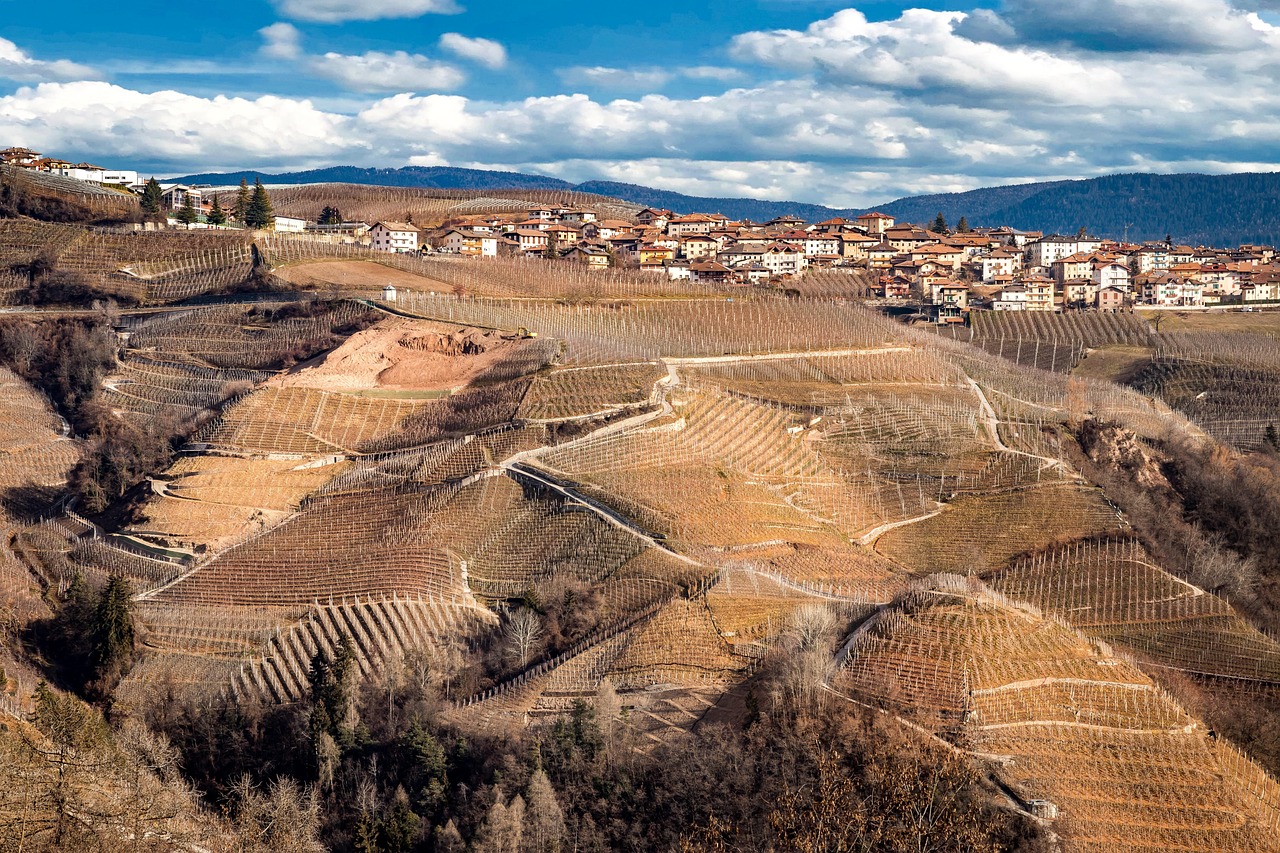
- Switzerland grows over 200 grape varieties, including a core of autochthonous (indigenous) types found nowhere else in significant quantities: Petite Arvine, Cornalin, Humagne Rouge, Amigne, and Gamaret are the most important.
- Petite Arvine from the Valais is Switzerland's most internationally recognised indigenous white — producing wines of startling aromatic intensity, with grapefruit, rhubarb, and a distinctive saline mineral finish.
- Cornalin (also called Humagne Rouge Cornalin) is the Valais's most characterful indigenous red — dark, spicy, and earthy, with a wild berry and pepper character that has no equivalent elsewhere.
- Most Swiss indigenous varieties are produced in tiny quantities and consumed locally. Finding them requires knowing where to look — and they are one of the strongest arguments for buying Swiss wine directly from a specialist.
Switzerland's wine culture is built on two layers: international varieties that have been grown here long enough to develop local character (Chasselas, Pinot Noir, Merlot), and a remarkable range of autochthonous varieties — indigenous grapes found in significant quantities only within Swiss borders. These indigenous varieties are wines that cannot be experienced anywhere else, and they represent one of the strongest arguments for exploring Swiss wine beyond the Chasselas and Dôle that appear on most Swiss restaurant lists.
Petite Arvine
Petite Arvine is the Valais's most celebrated indigenous white grape and Switzerland's greatest contribution to the world of distinctive fine wine varieties. It produces wines of startling aromatic intensity — grapefruit zest, rhubarb, white flowers, and a distinctive saline, mineral finish that wine writers sometimes compare to sea spray.
The best expressions come from the dry, sunny Valais vineyards around Fully and Saillon — sites where the intense continental sun and the Foehn (the warm Alpine wind) concentrate the grape's character. Late harvest Petite Arvine (vendange tardive) produces wines of remarkable sweetness and complexity, the saline finish balancing the richness in a way that has no parallel in French or Italian sweet wines.
Petite Arvine is the Swiss wine most worth seeking out for a guest who has explored the country's other whites — it is genuinely different from anything produced elsewhere, and at its best it is extraordinary.
Amigne
Amigne is an ancient variety cultivated almost exclusively around the village of Vétroz, near Sion in the Valais. It produces wines that are almost always medium-dry to sweet — though dry expressions exist — with a distinctive chamomile, hay, and candied citrus character. The sweet Amigne of Vétroz, with its silky texture and herbal-honey complexity, is one of Switzerland's most idiosyncratic and rewarding wine experiences.
Production is extremely limited — Amigne is grown on perhaps eighty hectares globally, virtually all in the Vétroz area — making it one of the rarest seriously produced wines anywhere.
Cornalin
Cornalin (not to be confused with the Italian Cornalin of the Valle d'Aosta, a different variety) is the Valais's most distinctive indigenous red grape. Dark-coloured, high in tannin, and intensely aromatic, it produces wines with wild berry, black cherry, and a characteristic white pepper and spice note that gives it an almost wild, untamed character.
The grape is difficult to grow — it ripens late and is susceptible to poor weather at harvest — which partly explains why production remains limited. The best examples, from producers around Sierre and Sion, are wines of real depth and character that age well over five to ten years.
Humagne Rouge
Humagne Rouge is genetically distinct from Cornalin despite the names sometimes being confused. It is an ancient Valdôtain variety producing lighter-bodied, aromatic red wines with herbal, violets, and leather character — closer in style to a northern Rhône Syrah or a Beaujolais cru than to Cornalin's darker weight. It is less fashionable than Cornalin but has its devoted advocates.
Gamaret
Gamaret is not an ancient indigenous variety but a modern Swiss cross — bred in the 1970s at the Agroscope research station by crossing Gamay with Reichensteiner. It is now one of Switzerland's most planted red varieties, producing wines with a softer tannin structure than Cornalin, a dark fruit character, and a spice note. Gamaret is often blended with Garanoir (another Swiss cross) to produce the rosé and light red wines that are increasingly popular on Swiss terrasses and in restaurants.
Finding Swiss indigenous varieties
These varieties are almost never exported. Finding them requires either visiting the Valais directly, buying from a specialist Swiss wine importer (rare outside Switzerland), or using a curated Swiss wine service. The limited production and lack of international distribution mean they are priced reasonably relative to their quality — among the best arguments for exploring Swiss wine with a specialist's guidance.
Tell the sommelier what you usually enjoy — get a Swiss indigenous wine recommendation.
Questions we get asked
What makes Swiss grape varieties special?
Switzerland's indigenous varieties — Petite Arvine, Amigne, Cornalin, Humagne Rouge — exist in significant quantities almost nowhere else in the world. Buying a Petite Arvine from the Valais is one of the few genuinely irreplaceable wine experiences available in Switzerland. These are not substitutes for international varieties; they are wines that exist only here.
What is Petite Arvine and where does it come from?
Petite Arvine is an indigenous white grape cultivated almost exclusively in the Valais, with small plantings across the border in the Valle d'Aosta. It produces wines of genuine complexity — mineral, floral, and distinctively saline with a long finish. The best examples from Fully, Chamoson, and Martigny age for ten to fifteen years.
What is Cornalin?
Cornalin is an indigenous red grape of the Valais, producing dark-coloured, tannic wines with wild berry fruit, herbs, and earthy depth. It is not an easy wine young — it needs time to soften — but at five to ten years it can be one of Switzerland's most characterful reds. Pair it with game, lamb, or aged cheese.
Where can I find Swiss indigenous wines?
Almost exclusively within Switzerland itself — very little is exported. The Valais produces the greatest concentration: Sierre, Sion, and Martigny have specialist wine shops with serious indigenous selections. Online, a curated Swiss wine shop with a sommelier is the most efficient route to a range of indigenous varieties with guidance on what to choose.