What Wine Goes With Charcuterie
A charcuterie board at its best is one of the great casual pleasures in food — and wine is essential to it. Here's what to open, and why the answers are simpler than you might expect.
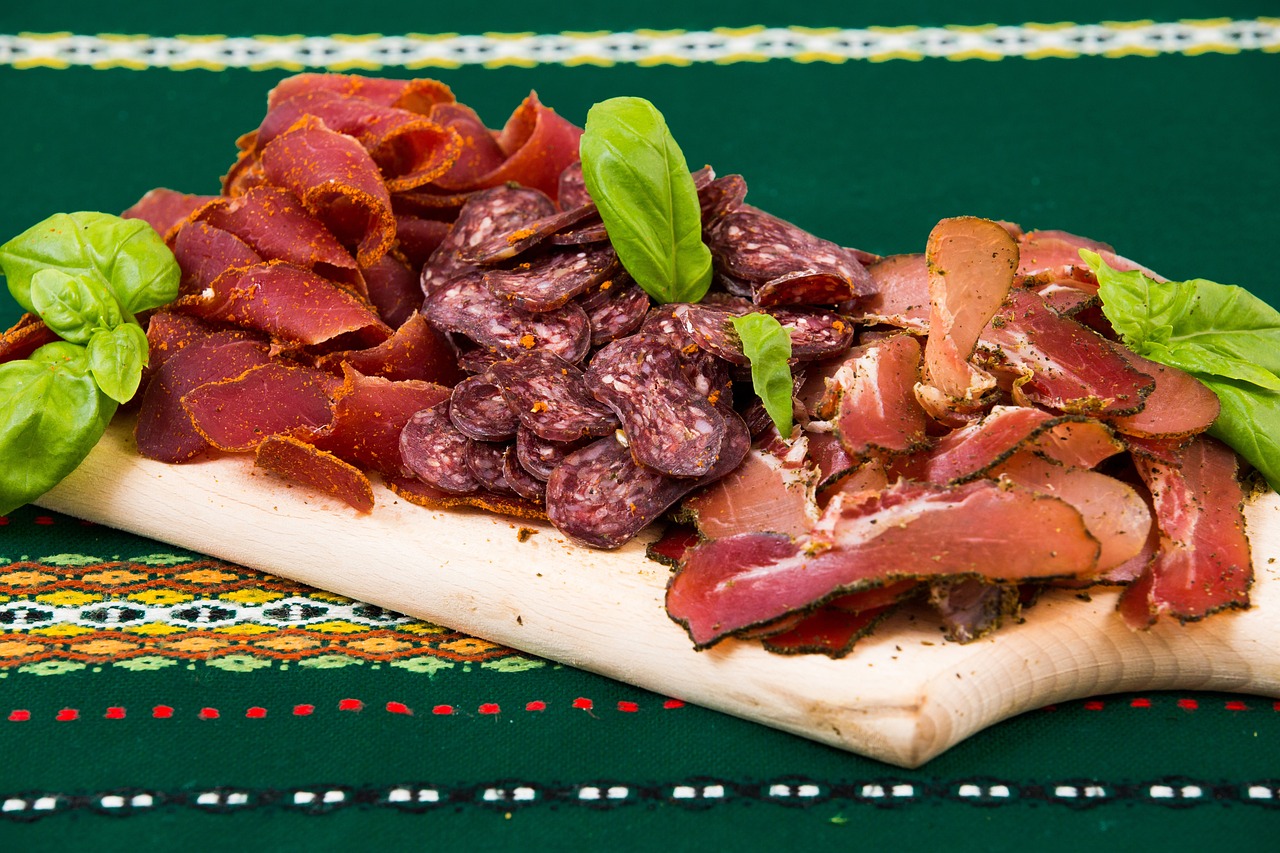
- Charcuterie and wine is one of the original apéro traditions — the wines that evolved in charcuterie-producing regions (Beaujolais, Loire, Alsace, the Valais) are the ones that work best.
- A Swiss apéro board (local cured meats, Gruyère, cornichons, dried fruit) calls for Swiss wines — a Fendant from the Valais or a light Swiss Pinot Noir is the right approach.
- The fat and salt in cured meats need acidity in the wine to cut through — this is why Beaujolais, Muscadet, and Crémant all work so well with charcuterie.
- Don't overlook sparkling wine. A Crémant d'Alsace or even a good Champagne is an excellent apéro choice — the acidity and bubbles cleanse the palate between bites of fatty salumi.
The charcuterie board is not a single dish — it's a collection of different proteins, textures, fat levels, and salt intensities that happen to share a wooden board. The wine needs to work across all of them. That's a job for versatility rather than specificity: the wine that works best with prosciutto, coppa, and a firm salami is the one that has high acidity, moderate body, and enough fruit character to hold its own without overwhelming any individual element.
The lightest charcuterie: prosciutto and delicate hams
Prosciutto di Parma, San Daniele, Jamón Ibérico de Bellota — the finest cured hams have incredible delicacy alongside their salt and fat. They need wine that doesn't overwhelm.Lambrusco di Sorbara (dry, sparkling red) is the regional Italian answer and one of the great matches in food and wine. Prosecco works for the less adventurous. Muscadet handles the salt beautifully.
For the best prosciutto, Champagne or quality sparkling wine is genuinely excellent — the bubbles and acidity cleanse the fat from the palate and amplify the meat's delicate sweetness.
Medium-intensity charcuterie
Saucisson sec, coppa, bresaola — these are more assertive, either from higher fat content, curing spices, or stronger salt. They want a wine with more presence.
Beaujolais — particularly a cru (Morgon, Fleurie, Brouilly) — is France's answer to cured meat. The Gamay grape's bright cherry fruit, high acidity, and low tannin make it perfect: it cuts through fat, harmonises with salt, and doesn't overwhelm the food. Serve it slightly chilled (12–13°C) and drink it young.
Loire reds (Chinon, Bourgueil — Cabernet Franc) also work very well: the herbaceous edge of Cabernet Franc matches the pepper and herbs used in many cured meats. Slightly chilled, younger vintages.
A Swiss apéro board
The Swiss apéro typically combines dried meats (Bündnerfleisch, Landjäger, local smoked sausage), alpine cheese (Gruyère, Raclette, Sbrinz), and accompaniments (cornichons, dried fruit, bread). The local wine tradition is clear: a Fendant from the Valais(Chasselas) for white, a Dôle or light Swiss Pinot Noirfor red.
For something more interesting: a Petite Arvine from the Valais has the saline, mineral quality that plays beautifully with cured meats. The salt-on-salt effect — the wine's saline mineral finish meeting the salt in the charcuterie — somehow amplifies both rather than creating conflict.
Strong, spiced charcuterie
Chorizo, nduja, heavily spiced salami: the spice and fat push you toward fuller wines that won't disappear. A southern French red (Côtes du Rhône, Minervois), a Spanish Garnacha, or a dry rosé from Provence or Tavel. The fruit weight in these wines matches the spice; the acidity handles the fat.
Pâtés and terrines
Coarser and richer than sliced charcuterie. Chicken liver pâté — an off-dry Gewurztraminer or an Alsatian Pinot Gris. Duck or goose rillettes— Vouvray demi-sec, a good Alsatian Riesling, or a Sauternes if you're being extravagant. The richness needs either sweetness or a full body with acidity to balance.
Planning an apéro? Tell the sommelier how many guests and what you're serving — we'll suggest the right bottles.
Questions we get asked
What is the best wine for a party charcuterie board?
Something versatile, cheerful, and not expensive. A cru Beaujolais handles most cured meats. For white: a dry Alsatian Pinot Gris or good Swiss Chasselas. For sparkling: a Crémant d'Alsace. Serve generously and don't overthink it — charcuterie is convivial and the wine should match.
Can you serve Champagne with charcuterie?
Absolutely. The acidity and bubbles cut through fat beautifully, and the autolytic complexity of a good Champagne complements the umami of cured meats. A Blanc de Noirs is especially good with heavier charcuterie.
What wine goes with Bündnerfleisch?
Bündnerfleisch is lean and intensely beefy. A light, dry red — Blauburgunder from Graubünden or a Swiss Dôle — is the local answer. Alternatively, a mineral Chasselas from the Valais or Vaud.
How much wine do I need for an apéro?
Plan 1–1.5 glasses per person per hour. For a pre-dinner apéro of 45–60 minutes with 6 people, one bottle of white and one bottle of red is usually enough. For a longer apéro as the whole evening: budget a full bottle per person across the event.