What Wine Goes With Cheese
The conventional wisdom says red wine with cheese. The conventional wisdom is mostly wrong. Here's what actually works — and why white wine is usually the better choice.
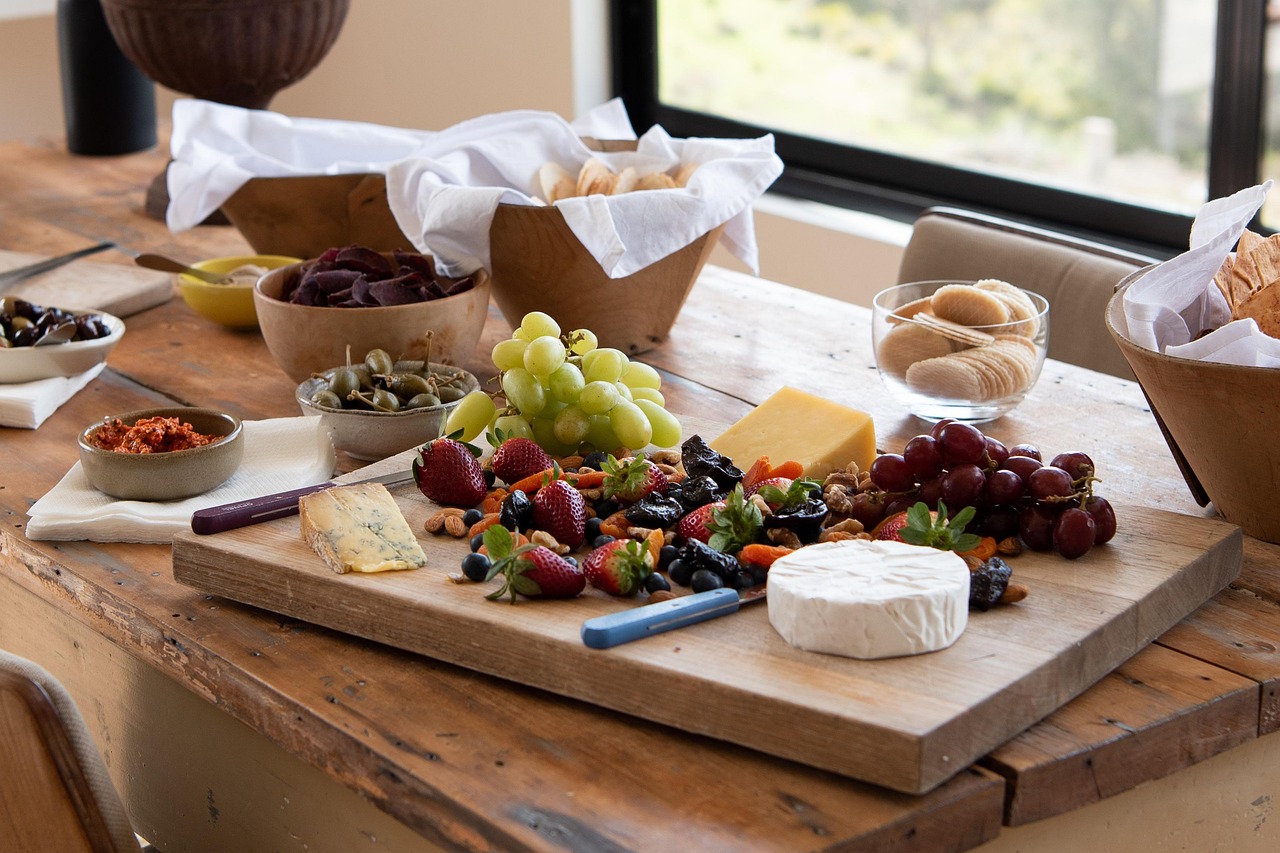
- White wine pairs with most cheese more successfully than red wine — the fat in cheese reacts with tannin to produce a chalky, drying sensation, while acidity cuts through fat cleanly.
- The main exceptions: soft, washed-rind cheeses (Époisses, Langres) with red Burgundy; aged hard cheeses (Parmesan, mature Cheddar) with full-bodied reds or Port; Roquefort and Stilton with Sauternes or vintage Port.
- Swiss cheeses — Raclette, Gruyère, Vacherin, Appenzeller — are best with Swiss whites: Chasselas, Petite Arvine, or a dry Pinot Gris from Alsace or Switzerland.
- Fresh, mild cheeses (ricotta, burrata, fresh goat) want light, bright whites — a delicate Muscadet, a Sancerre, or a light Pinot Grigio.
Wine and cheese together at the end of a meal is one of the oldest practices in European food culture — and one of the most mishandled. The standard restaurant approach (arrive a big red wine board) gets it wrong almost every time. Tannin and the fat in cheese create a chalky, astringent sensation that makes both the wine and the cheese taste worse. Acidity does the opposite — it cuts through the fat, refreshes the palate, and lets the character of the cheese come through. For most cheeses, that means white wine. The exceptions are real, but they are exceptions.
Fresh and mild cheeses
Fresh goat cheese (Chèvre, Bucheron, Crottin) — crisp, acidic, herbal. The benchmark pairing: Sancerre or Pouilly-Fumé (Sauvignon Blanc from the Loire). The Loire is chèvre country; the wine evolved alongside the cheese. The grassy, citrus quality of Sauvignon Blanc mirrors the herbal freshness of the goat's milk. A Grüner Veltliner or an unoaked Swiss Chasselas also work well.
Burrata and fresh mozzarella — mild, creamy, almost sweet. Light, neutral white: Pinot Grigio, a gentle Soave, or a young Verdicchio. Avoid anything with heavy oak or strong aromatics — the cheese has almost no flavour and will disappear.
Ricotta — light, slightly sweet. Works with a delicate sparkling wine (Franciacorta, Prosecco, or a Swiss Crémant), or simply eat it with honey and a glass of Moscato d'Asti.
Semi-soft cheeses
Brie and Camembert — the most challenging of the semi-softs. The fat content is high; the flavour is delicate. A white Burgundy or a soft, rounded Chardonnay from the Mâcon handles the richness. Alternatively, a good dry rosé — the freshness cuts the fat without the tannin problem. If you must have red: a very light, cool Beaujolais.
Swiss Vacherin Mont d'Or — one of the world's great cheeses, seasonal (autumn and winter), with an extraordinarily rich, flowing interior. The local pairing in the Vaud Jura is a good Savagnin Blanc or a rich Chasselas. A dry Jura white (Ouillé style Chardonnay) is also excellent.
Swiss alpine cheeses
Gruyère — aged, nutty, slightly sweet. Chasselas from the Fribourg Broye region (the local production area) is the ideal match. Failing that: any good Vaud Chasselas, or a dry Pinot Gris from Alsace or Switzerland.
Appenzeller — strong, aromatic, with the distinctive herb brine on the rind. Needs something with enough flavour to match: a good Alsatian Pinot Gris, or a slightly aromatic dry white. The rind flavour is assertive enough that a light neutral white disappears beside it.
Raclette cheese — the semi-hard mountain cheese used for the dish. Same principle as the dish: Fendant (Chasselas from the Valais) or Petite Arvine.
Hard aged cheeses
Aged Parmesan and Grana Padano — dense, crystalline, very umami-rich. At this level of intensity, a full-bodied red can work — Barolo with Parmigiano-Reggiano is a famous Piedmontese pairing, and the wine's tannin is met by the cheese's density. Alternatively, an aged Sauternes or a dry Amontillado sherry, which can handle the intensity.
Mature British Cheddar — intense, tangy, sharp. One of the rare cases where a full red genuinely works: a good Rioja Reserva, an aged Australian Shiraz. Vintage Port is the classic match and one of the best cheese pairings in wine.
Blue cheeses
Roquefort — sweet and salty and pungent, the most intense flavour in this category. Sauternes is the benchmark pairing: the sweetness of the wine meets the salt of the cheese and the two balance each other. It sounds improbable; it's one of the great pairings in French gastronomy.
Stilton — vintage Port is the classic English match. The sweetness and intensity of an aged Port (10–20-year Tawny, or LBV) meets the power of Stilton. A good Sauternes or a Tokaji Aszú also work very well.
Gorgonzola Dolce — creamier and milder than most blues. An off-dry Riesling Spätlese is a beautiful match — the slight sweetness and acidity both work. Moscato d'Asti as a dessert cheese pairing is underrated.
Building a board rather than pairing one cheese? Choose a wine for the apérofrom the current selection, then tell the sommelier which cheeses you plan to serve.
Planning a cheese course? Tell the sommelier what cheeses you're serving and we'll recommend the right bottles.
Questions we get asked
Why does red wine taste strange with some cheeses?
Tannin is the culprit. Tannin binds to fats — the fat in cheese reacts with tannin to produce a chalky, drying, slightly metallic sensation. Soft cheeses are the worst offenders. Aged hard cheeses have less free fat and manage tannin better. The fix: choose low-tannin reds or switch to white wine.
What wine should I serve at a Swiss cheese board?
A Lavaux Chasselas or Valais Chasselas handles the full range of Swiss cheeses well. For more interest: a dry Pinot Gris handles the stronger alpine cheeses. If you want red: a light Swiss Pinot Noir served cool works with mild cheeses.
Is Port the best wine for cheese?
For strong, aged cheeses and blues — yes. Vintage Port with Stilton or mature Cheddar is one of wine's great pairings. But Port overwhelms delicate or fresh cheeses. It's ideal for one or two strong cheeses; it's wrong across a broad board including fresh or mild types.
Can Champagne work with cheese?
Better than most red wine. Champagne's acidity and bubbles cut through fat effectively. It works particularly well with soft-rind cheeses, hard alpine cheeses, and fresh goat cheese. A Blanc de Blancs is especially versatile. Avoid it with very strong blues.